Why Does Free Time Feel Loaded?

Trace why open days feel charged through vivid emotional language, related tarot cards, and selected reading insights from AceTarot sessions.

Empty Calendar Anxiety
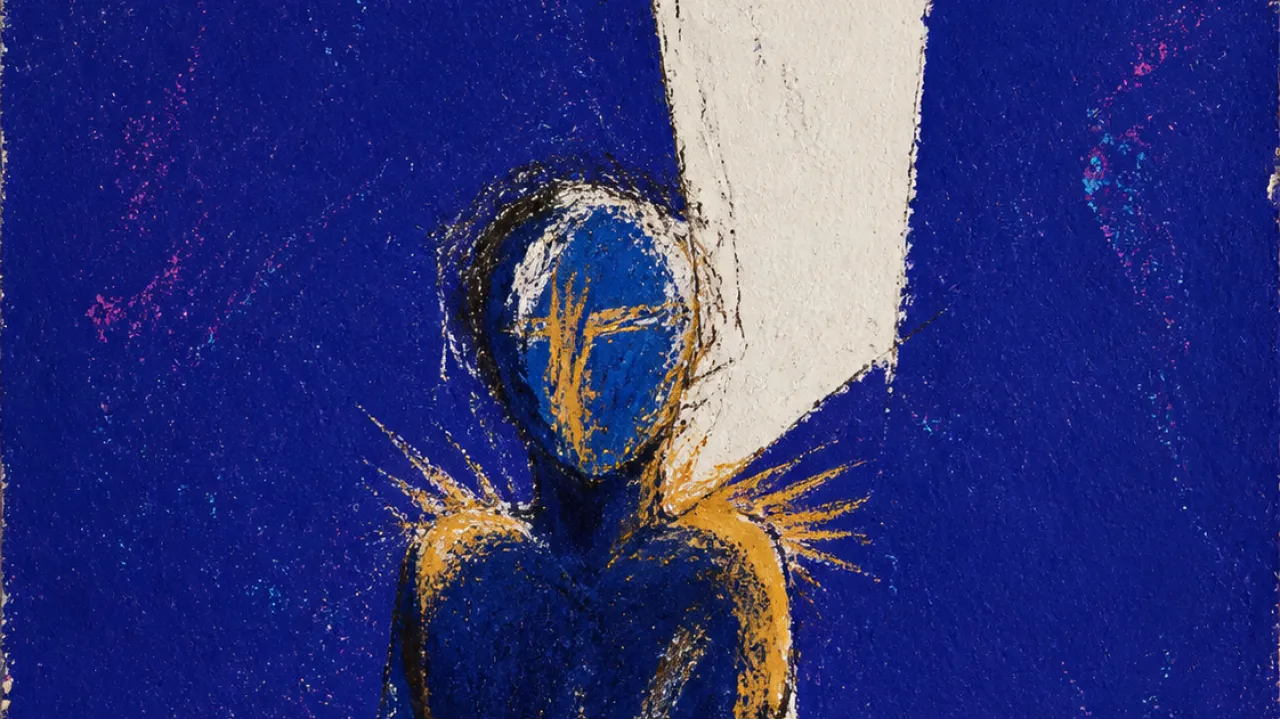
A solitary figure with slightly lifted shoulders, warm amber pressing against blank white blocks suspended in deep indigo.

What does this feel like?

Empty Calendar Anxiety is the uneasy jolt you feel when you open your calendar and see too much white space staring back. Your chest tightens, your shoulders lift a little, and a day that was supposed to feel open suddenly feels heavy, as if the empty blocks are counting something you cannot name. You check the date, refresh your messages, scan the week ahead, then close the app only to reopen it minutes later. Nothing urgent is happening, yet your body carries a low electrical buzz, and rest begins to feel less like rest than waiting for evidence that your life is moving. You may invent errands, hesitate to commit to quiet time, or compare your blank evening with the crowded snapshots scrolling past on your phone. Beneath it runs a clipped inner commentary: Should I have plans? Am I wasting the day? Does everyone else have somewhere to be? Even when you choose the space, it can feel unchosen once it arrives, and every passing hour seems louder because nothing has claimed it. The discomfort is not always loneliness or boredom; sometimes it is the pressure of possibility, the sense that an open day should become meaningful before it disappears. By night, you can feel tired from a day that asked almost nothing of you, much like the figure on the Nine of Swords sitting upright beneath a row of suspended blades, while the quiet around them has somehow taken on weight.

Why you're feeling this?

Empty Calendar Anxiety is not a sign that you are ungrateful for free time; open space can feel charged rather than restful. A part of you is registering that the quiet does not yet feel neutral, and that response is allowed to exist even when there is nothing concrete to point to.

Empty Calendar Anxiety in Tarot Cards

Empty Calendar Anxiety turns white space into pressure, making a quiet day feel as if it is counting something you cannot name. The tightness in your chest and slight lift in your shoulders give that pressure a physical outline. Though its details vary, it belongs to a universal emotional experience: the way open time can feel charged instead of restful. The Tarot Cards below mirror the contours of that feeling without explaining it away.

The Emperor
Reversed
A rigid ruler sits on a stone throne against bare mountains, surrounded by symbols of order, boundaries, and controlled territory. Reversed, that hard external scaffolding no longer produces inner steadiness; without appointments marking the edges of the day, structure can feel absent rather than self-directed. You may experience blank calendar blocks as a loss of containment, especially when routines usually tell you when to begin, stop, eat, work, or leave the house. The image reveals that the anxiety is partly architectural: external scheduling has been carrying more of your felt security than the calendar interface alone can show.
The Chariot
Reversed
An armoured driver stands inside a chariot between two differently coloured sphinxes, prepared for movement yet holding no visible reins. Reversed, the vehicle's organised appearance cannot translate into coordinated forward motion, echoing the discomfort of having time and capacity without a convincing destination. You may treat a blank calendar as proof that your life lacks traction, then try to force momentum before clarifying what direction would actually count. The image separates readiness from movement and movement from direction, making visible why an empty week can trigger urgency even when your long-term path has not objectively disappeared.
The Hermit
Reversed
A lone figure stands on a high, dark landscape holding a small lantern that illuminates only the immediate space. Reversed, solitude loses its chosen, inwardly directed quality and begins to feel socially unmoored, as though the calendar's silence reflects separation from the larger world. You may have wanted an evening alone but feel differently once no invitations, messages, or shared destinations appear. The image reveals the distinction between solitude with purpose and isolation interpreted through social comparison, allowing the blank calendar to be seen as an ambiguous signal rather than a complete statement about belonging.
The Hanged Man
Reversed
A suspended figure occupies a position that looks inactive from the outside while the halo suggests an internal shift occurring within the pause. Reversed, the perspective change remains blocked because stillness is being judged by the visible standards of movement, output, and forward progress. You may treat an empty calendar as a gap in development rather than part of development, especially when growth has been defined through milestones and packed timelines. The card reveals a cognitive split between visible motion and meaningful change, showing why quiet periods can trigger anxiety even when they are carrying integration that has no public schedule.
The Devil
Upright
Two figures remain attached by loose chains beneath a larger authority, embodying a system whose power persists through internalised participation. Here the binding rule is that visible busyness proves value, while an empty calendar exposes the fear that nothing is being earned, built, or demonstrated. You may feel driven to convert every pause into progress so that identity never has to stand without performance evidence. The card reveals the growth ceiling inside that bargain: constant activity protects against short-term anxiety while preventing a broader definition of development from taking root.
The Moon
Upright
A moonlit path runs between two towers while a dog and a wolf react beneath the moon and a creature rises from dark water. The landscape contains no immediate attack, yet every element feels alert to something only partly visible, matching the low electrical buzz that can fill a quiet evening without a concrete threat. You may search the calendar or message feed for an explanation because the emotional atmosphere feels too charged to remain unnamed. The card reveals how ambiguity invites projection: the blank space becomes a screen for fears about waste, isolation, and lost momentum precisely because it supplies so little factual information.
Three of Cups
Reversed
Three people raise cups in a tightly connected circle, their shared gesture making mutual celebration and coordinated presence visible. Reversed, that circle feels difficult to enter or sustain, mirroring the unease of seeing no upcoming point where your close friends will gather with you. You may interpret a missing plan as a break in the friendship's usual rhythm, especially if closeness has been measured through regular contact. The card reveals that the calendar is carrying attachment data: empty space feels threatening because it appears to show a lapse in reciprocity, not merely a free evening.
Seven of Cups
Upright
Seven cups emerge from a cloud, each displaying a different promise, risk, or fantasy before a figure unable to touch them all. The abundance is visually real but practically ungrounded, turning an open calendar into a field of competing possible selves rather than a simple set of plans. You may feel that choosing one use of the day means losing every more meaningful, social, restorative, or impressive version of it. The card reveals how possibility pressure creates anxiety before any option is tested: the calendar remains empty because imagined alternatives are being compared at the level of identity, not just logistics.
Five of Pentacles
Upright
Two people cross a cold street beneath a glowing window, close to visible warmth but not participating in what the window represents. In a friendship context, the image captures the sting of believing close others have plans, support, or shared routines that do not currently include you. You may experience the empty calendar as a boundary marker between your evening and the imagined togetherness of friends elsewhere. The card reveals the belonging cost without declaring exclusion as fact: it shows how missing invitations can make available time feel cold, exposed, and personally significant.
Seven of Pentacles
Reversed
A worker pauses beside a cultivated vine and looks directly at the pentacles accumulated there, turning the scene into an assessment of effort, time, and return. Reversed, the assessment becomes impatient and overly narrow, as though value must be immediately visible or the interval has failed. You may approach an open day with the demand that it produce a meaningful breakthrough before night, then experience ordinary or invisible progress as waste. The card reveals a distorted measurement cycle: the calendar is being asked to certify personal evolution on a daily timescale that cannot represent slower forms of change.
Two of Swords
Upright
A blindfolded figure sits between crossed swords, holding two balanced positions while calm water and a distant shoreline remain behind them. The body is still but not relaxed; maintaining the stalemate requires effort, much like holding an evening open while simultaneously wondering whether rest, social contact, or productive activity should claim it. You may delay choosing because each option carries a different feared meaning: staying home could look like waste, making plans could erase needed recovery, and committing to a task could expose whether it feels meaningful enough. The card reveals that the anxiety lives inside the defended gap between options, where postponement preserves possibility but keeps the body braced.
Four of Swords
Reversed
A figure lies in deliberate stillness within a protected interior, with swords arranged around the body as remnants of action held at a distance. Reversed, the pause cannot complete its integrating function because the mind continues demanding visible evidence that development is underway. You may regard quiet growth as indistinguishable from doing nothing, especially when no milestone can be placed on the calendar. The card reveals a gap between cognitive recovery and performance-based progress, showing how anxiety can interrupt the very integration that allows previous effort to become sustainable learning.
Eight of Swords
Upright
A blindfolded and loosely bound figure stands within swords that form an incomplete enclosure, while a route through the landscape remains physically possible. The image externalises a self-limiting belief system in which available freedom cannot be experienced because attention is fixed on the rules defining what a valid step must look like. You may believe an open day should advance your identity, future, health, relationships, and purpose, making every ordinary choice feel inadequate. The card reveals the cognition underneath the anxiety: freedom has been narrowed by perfection-level criteria, so the calendar looks empty even while it contains multiple workable forms of growth.
Nine of Swords
Upright
Nine swords line the darkness above a figure whose body has awakened before any external event enters the room. The image gives form to anxiety without an immediate object: silence itself becomes the container in which unresolved thoughts acquire volume and sequence. You may know that nothing urgent is wrong while still feeling the chest tighten as the open day stretches ahead. The card witnesses the internal process objectively, separating the felt intensity from the calendar's actual content and revealing how blank space activates stored questions about worth, momentum, and belonging.
Page of Swords
Upright
A Page braces against moving air with sword raised and attention turned toward something beyond the frame. The alert posture resembles checking close friends' messages for subtle changes in tone, timing, or availability that might explain why the calendar remains empty. You may refresh a chat or reread recent exchanges because information feels capable of restoring relational certainty. The card reveals that the behaviour is not only about securing a plan; it is a vigilance loop seeking evidence that the friendship network remains responsive and that your place inside it has not shifted.
Eight of Wands
Reversed
Eight wands cross an open sky in parallel, visibly in transit above a quiet landscape with no person controlling their arrival. Reversed, the expected flow does not resolve into a clear landing, creating the atmosphere of plans, replies, and momentum that seem perpetually about to appear but never enter the calendar. You may keep refreshing messages because the next invitation feels delayed rather than absent, leaving the day in a provisional state. The card reveals how anticipated movement can occupy empty time as strongly as an actual commitment, holding you in readiness for an update that has not arrived.
Knight of Wands
Reversed
A mounted knight lifts a wand while the horse rears forward, compressing heat, movement, and impulse into a single charged posture. Reversed, that energy loses a coherent destination and becomes scattered activation: motion is generated because stillness feels intolerable, not because a particular task genuinely matters. You may respond to an empty day by inventing errands, changing plans repeatedly, leaving the house without a clear aim, or chasing stimulation across several unfinished activities. The card makes the compensatory behaviour legible, showing how frantic momentum can temporarily cover the unease of an unclaimed schedule while increasing physical and attentional fatigue.

Empty Calendar Anxiety in Tarot Card Reading Insights

Empty Calendar Anxiety also appears when others bring blank days, restless checking, and that quiet pressure into a reading. The Tarot Reading Insights below show what surfaced in those sessions.
Psychological emtions related to Empty Calendar Anxiety