Why Does It Still Hurt?

Explore the felt ache of a younger inner part, related tarot cards, and tarot reading insights from sessions.

Inner Child Ache
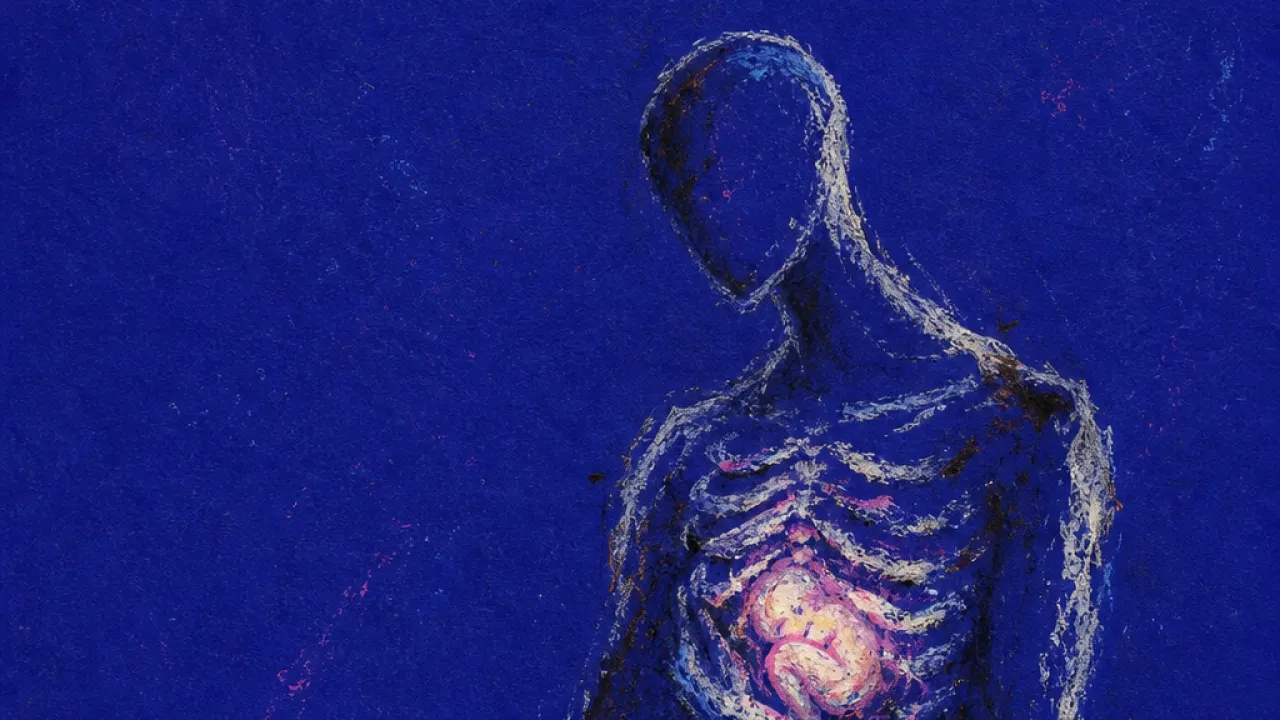
A solitary figure with a small curled shape glowing under the ribs, warm pink pressed into bruised indigo space

What does this feel like?

Inner Child Ache — you feel it as a small, sore pull somewhere under your ribs, like a younger version of you has curled up inside your chest and gone very quiet. It can show up in ordinary moments: a text left unanswered, a tone that lands wrong, a room full of people where you suddenly feel too small for your own body. Your throat tightens before you can explain why, your shoulders fold in, and there is this soft, embarrassing wish to be chosen, noticed, protected, or simply handled gently. You may keep functioning — answering messages, making jokes, paying bills, acting like an adult who has it together — while something inside keeps asking, in a voice you can barely admit is yours, “Why did that hurt so much?” The ache is tender, not loud; it lives in the pause before you ask for reassurance, in the way you read a reply three times, in the sudden heat behind your eyes when kindness catches you off guard. It feels less like wanting to go back and more like wanting the part of you that got left waiting to finally be seen, much like the children on the Six of Cups, standing in a quiet courtyard with flower-filled cups between them, where care looks simple, small, and almost too gentle to trust.

Why you're feeling this?

Inner Child Ache makes sense when something in you still knows what it needed and can feel the absence of it. That doesn't make you childish or weak. It means a tender part of you is still asking to be met with care, not brushed aside.

Inner Child Ache in Tarot Cards

That small, sore place under your ribs — Inner Child Ache has a shape before it has words. It can feel like a universal emotional experience: the body remembering softness it still knows how to want. The Tarot Cards below don't fix that ache or define it for you; they mirror the outline of being grown up on the outside while something younger still waits to be met.

The Empress
Reversed
The Empress rests amid wheat, water, cushions, and a landscape designed to sustain life. In reversal, the nurturing field is present as an image but blocked as an internal experience, reflecting the way you may understand compassion conceptually while speaking to your own tender needs with impatience or contempt. You can care effectively for other people and still leave the younger part emotionally underfed. The ache identifies the cost of that asymmetry: an internal caregiving system rich in responsibility but short on the softness required to make vulnerability feel welcome.
The Emperor
Reversed
An armored ruler sits on a stone throne marked by ram heads, with barren mountains behind him and a rigid scepter in hand. Reversed, the structure of authority feels less like protection and more like hardness, control, or an absence of safe containment around the younger self. A parental voice or family rule can make you fold inward before you can explain the reaction. You can identify the old power dynamic while examining whether the current person or household is actually repeating it, rather than treating the past as an unquestionable script.
Strength
Upright
A woman in white gently holds a lion beneath a floral garland, while an infinity symbol rests above her head. The scene treats softness as a form of grounded power, reflecting the adult capacity to protect a younger part without silencing its fear or need. Growth becomes more honest when the tender self is included in the developing identity rather than exiled as embarrassing. You can see the ache as a place where strength and vulnerability are learning to cooperate.
The Moon
Upright
A moon hangs over a winding path while a dog, a wolf, and a crayfish emerge from the dark landscape. The half-lit road and creatures rising from water give form to a feeling that arrives before language, carrying old fear and vulnerability through an ordinary present cue. You may know that something hurt without knowing which layer of memory it touched. The Moon allows the uncertainty to remain observable while you separate intuition, current evidence, and the younger imagination that learned to scan for danger in ambiguous moments.
The Sun
Reversed
A child rides openly beneath the sun, unarmoured and visible, while sunflowers rise behind a boundary wall. In reversal, visibility, play, and warmth become difficult to integrate, revealing a growth model that may value competence and self-control while leaving childlike spontaneity behind the wall. You may understand intellectually that joy and softness belong in a fuller life while still tightening when they ask you to become unguarded. The ache identifies the practice gap without turning it into a verdict: the younger capacity for aliveness remains present, but it carries grief for the conditions under which openness once felt unsafe.
Judgement
Upright
An angel's trumpet sounds over figures rising from coffins, lifting their faces and arms toward a call they can no longer ignore. The scene turns a buried younger experience into a recognized part of the self rather than an inconvenient interruption to adult progress. Growth becomes possible when the adult identity can include what was left waiting instead of demanding that it disappear first. You can let the ache revise your understanding of care, belonging, and self-protection without allowing it to define the limits of your future.
Two of Cups
Reversed
Two figures face each other with raised cups, while a winged lion and caduceus rise above the exchange. Reversed, the shared gesture becomes misaligned: the bond is visible, but mutual recognition and emotional timing no longer meet cleanly. A small change in tone or a delayed response can therefore touch the younger fear of being offered closeness and then left waiting. You can examine the actual reciprocity of the relationship while naming why the need to be chosen feels so physically immediate.
Three of Cups
Reversed
Three companions face inward with cups raised, forming a compact image of shared emotional access. In reversal, that closeness can become a painful boundary, especially when a private joke, separate plan, or silent group chat makes you feel that your core friendship network continues perfectly well without you. You may minimise the exclusion to avoid appearing needy while a younger part feels unmistakably replaced. The card shows how friendship rupture can carry a child-sized wish beneath adult composure: not to control the circle, but to know that someone inside it will turn around and notice your absence.
Four of Cups
Upright
A solitary figure sits with closed posture beneath a tree while a cup appears within arm's reach. The stillness captures an internal protective state in which comfort can be recognised intellectually yet fail to reach the part of you that has gone quiet under the ribs. You may know that support exists and still feel unable to absorb it, especially after a trigger has made you small and watchful. The ache is held in the space between the offered cup and the folded arms, where receiving care would mean trusting that your vulnerable need can be seen without being rejected or used against you.
Five of Cups
Upright
A dark-cloaked figure bends over three spilled cups, while two upright cups remain behind them and a bridge leads toward a distant structure. The bowed body and narrowed attention show how a younger hurt can fill the whole foreground before the available care becomes visible. You may ask why an ordinary interaction has reopened an old sense of being missed or left waiting. The remaining cups do not cancel the ache; they show that witnessing the loss and noticing present support can happen in the same emotional frame.
Six of Cups
Upright
Children stand in a quiet courtyard with flower-filled cups between them, while the surrounding walls create a contained space for a small exchange of care. The scene gives form to a younger self that has not disappeared, only gone quiet beneath the adult identity. The ache becomes information about a neglected emotional need rather than evidence that growth has failed. You can hold the memory, the present reaction, and the adult capacity to choose a different response in the same frame.
Reversed
Two children remain inside a walled courtyard, connected through cups filled with flowers. In reversal, the walls suggest an old emotional scene that has become self-contained and repetitive, with growth circling the wish that someone from the past will finally supply the missing gentleness. You may change jobs, relationships, habits, or identities while finding that the same small hurt returns whenever you are not chosen or reassured. The card exposes the developmental gap beneath visible progress: the adult self keeps evolving, but the younger part still measures change against an unfinished hope for repair.
Ten of Cups
Reversed
Two adults and two children stand beneath a rainbow of cups with a secure home visible in the landscape. In reversal, the complete family tableau becomes a painful comparison point, holding the shape of emotional safety while exposing the fractures, absences, or conditional belonging within the actual family system. You may feel unexpectedly sad around happy-family imagery, holidays, or conversations about home because the younger part recognises the scene it once expected. The ache is bittersweet rather than purely rejecting: it preserves the wish that family care could still feel simple, shared, and safe enough to trust.
Page of Cups
Upright
The youthful page stands with a cup in hand while a fish rises from it, offering an image of a small, unexpected truth that cannot be managed through adult polish. The sea behind the figure keeps the emotional message connected to a deeper, less verbal layer of experience. Personal growth is interrupted when the younger feeling is mocked, hidden, or forced to become articulate too quickly. You can see the ache as a signal that the evolving self still needs curiosity and gentleness while its language develops.
Reversed
A youthful Page receives an unexpected fish emerging from a cup, turning an unusual feeling into a direct encounter. In reversal, the message is vulnerable but mistrusted, so personal growth can become a performance of being more rational, resilient, or mature while the tender signal is repeatedly pushed back down. You may treat sensitivity as evidence that you have failed to evolve, even when it is showing you where your emotional model still lacks care. The ache marks the split between development and self-rejection: growth becomes constrained when the younger voice must disappear for the adult identity to feel credible.
Five of Pentacles
Upright
Two figures remain in the cold beneath a window filled with light and colour. Internally, that distance can resemble a split in which the competent adult keeps moving while a younger part experiences itself as left outside your own attention whenever rejection, fatigue, or shame appears. You may search other people for reassurance while simultaneously repeating the old exclusion through harsh self-talk or emotional minimising. The card makes the internal arrangement visible: warmth exists as a possibility, but the hurting part does not yet assume it is allowed to enter.
Six of Pentacles
Reversed
An upright figure holds a set of scales while distributing coins to two kneeling people. The height difference, measured giving, and outstretched hands make care inseparable from power, reflecting the younger wish to receive protection without feeling indebted for having needed it. Reversed, the exchange becomes emotionally unstable: help may feel conditional, uneven, or tied to compliance. You can examine what the family actually gives and what it expects in return while naming the sore longing beneath the discomfort of receiving.
Six of Swords
Upright
A child and cloaked adult travel together in a boat whose bow is crowded by six upright swords. The scene makes psychological development look less like abandoning the old self and more like carrying vulnerable history across a threshold with full awareness of its weight. You may feel frustrated that old hurt follows you into new chapters, but its presence does not erase the distance already travelled. The ache becomes evidence of emotional continuity: the younger part remains aboard because growth is still learning how to include its experience without letting that experience choose the entire destination.
Nine of Wands
Upright
A bandaged figure grips a wand while standing before a row of wands, body angled as if bracing for another impact. The visible injury and guarded perimeter show how a younger need for gentleness can remain active underneath adult readiness. You may keep functioning by anticipating the next slight, then wonder why a small tone or pause feels so painful. The card lets you see the protective posture as information about accumulated hurt rather than as proof that every present interaction is dangerous.

Inner Child Ache in Tarot Card Reading Insights

Inner Child Ache is often carried into readings as that quiet question of why something small can still hurt so much. Others have sat with cards while holding the same young-feeling tenderness, waiting to see what the spread reflected back. Tarot Reading Insights from sessions with this ache.

The Sixth Draft: Letting Present Evidence Lead a Low-Contact Choice

The Sixth Draft: Letting Present Evidence Lead a Low-Contact Choice

Topic:Family Tarot Reading

Struggle:Permission Paralysis

Context:Always On Availability

When Being Useful Meant Belonging: Letting the Family Message Wait

When Being Useful Meant Belonging: Letting the Family Message Wait

Topic:Family Tarot Reading

Struggle:Inherited Role Lock

Context:Triangulated Family Mediator

After Mom's 'I'm Sorry' Lands Cold: Freeze, Grief, and a Safer Pace

After Mom's 'I'm Sorry' Lands Cold: Freeze, Grief, and a Safer Pace

Topic:Family Tarot Reading

Struggle:Relational Boundary Drift

Context:Family Script Pressure

When Jeans Won’t Zip: Trading the Shame Trial for One Fair Choice

When Jeans Won’t Zip: Trading the Shame Trial for One Fair Choice

Topic:Introspection Tarot Reading

Struggle:Control Lock

Context:Wellness Optimization Trap

When

When "We’re Out of Milk" Is Information, Not a Character Review

Topic:Personal Growth Tarot Reading

Struggle:Unspoken Expectation Load

Context:Direct Communication Trial

Downplay First, Feel Later—and How to Name What Kindness Touched

Downplay First, Feel Later—and How to Name What Kindness Touched

Topic:Friendship Tarot Reading

Struggle:Nurture Deficit

Context:Soft Exclusion

Feeling Unneeded in Relationships: From Helper Role to Mutuality

Feeling Unneeded in Relationships: From Helper Role to Mutuality

Topic:Love Tarot Reading

Struggle:Caretaker Role Lock

Context:Emotional Labor Imbalance

Spiraling After a One-Word Reply—And the Fact-vs-Story Switch

Spiraling After a One-Word Reply—And the Fact-vs-Story Switch

Topic:Love Tarot Reading

Struggle:Clarity-Exposure Split

Context:Direct Communication Trial

Not Introduced at the Party, Then Invisible: Learning Self-Entry

Not Introduced at the Party, Then Invisible: Learning Self-Entry

Topic:Friendship Tarot Reading

Struggle:Permission Paralysis

Context:Solo Event Entry

I Kept Deleting a Simple Slack Question—And Stayed Up Doing It Alone

I Kept Deleting a Simple Slack Question—And Stayed Up Doing It Alone

Topic:Family Tarot Reading

Struggle:Nurture-Competence Split

Context:Family Script Pressure

From Door-Slamming to a Two-Line Boundary: The 60-Second Pause

From Door-Slamming to a Two-Line Boundary: The 60-Second Pause

Topic:Introspection Tarot Reading

Struggle:Boundary Rigidity

Context:Direct Communication Trial

From Discord Exclusion Spirals to Self-Respect: Verify, Don’t Investigate

From Discord Exclusion Spirals to Self-Respect: Verify, Don’t Investigate

Topic:Friendship Tarot Reading

Struggle:All-or-Nothing Belonging

Context:Direct Communication Trial

Psychological Emtions Related to Inner Child Ache