When Intent Overrules Impact

A grounded look at the conflict, related Tarot Cards, and Tarot Reading Insights drawn from readings about stated intent and visible impact.

Impact Versus Intent Conflict
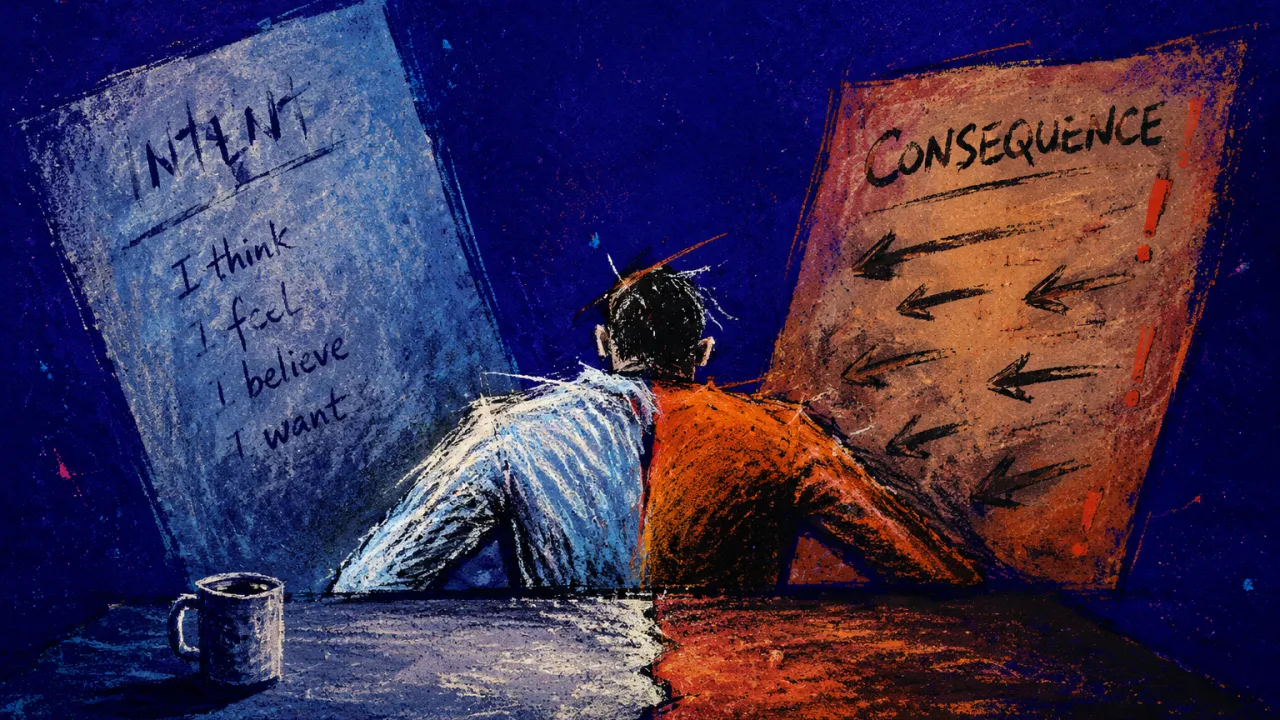
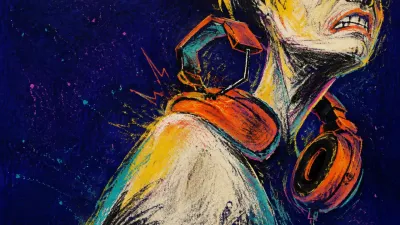
A solitary figure with shoulders angled between misaligned panels as consequence lines encroach across a shared table.

What is this situation?

Impact Versus Intent Conflict: you bring up a specific comment, decision, or missed commitment after a meeting, group chat, date, or friendship plan, expecting the conversation to stay with what happened. Instead, the other person starts with what they meant: they were trying to help, keep things moving, avoid drama, or simply did not think it would land that way. You point back to the effect, and the exchange begins to circle. At work, a colleague explains that taking over your idea was meant to protect the deadline; in a relationship, a partner says a dismissive comment was only a joke; in a friendship, repeated cancellations are framed as a busy week rather than a pattern that keeps changing your plans. The person with more confidence, status, or social support can keep directing the room toward intention, while you are asked to make the impact easier to accept. Later, you reread messages, edit your next reply, and notice your shoulders tighten before raising the subject again. The original issue stays in place, surrounded by explanations, apologies that do not alter the next interaction, and a growing demand to prove why the effect should count. Both sides remain visible but never aligned, much like the figure on Justice, seated with scales in one hand and a sword in the other, holding two measures in view at once.

Why it's not you?

The mismatch is not created by your failure to phrase the impact perfectly. It belongs to an exchange where stated intent is repeatedly placed above the consequences of an action.

Impact Versus Intent Conflict in Tarot Cards

Impact Versus Intent Conflict keeps returning to the same exchange: you name what an action changed, and the other person answers with what they meant. The shoulders that tighten before the next conversation point to an environmental, structural dynamic, not a private failure to explain. The cards below reflect the divided outline of that exchange without deciding which voice should win. Here are the Tarot Cards that mirror this kind of conflict.

The Hierophant
Reversed
A seated figure occupies the center between two pillars while acolytes face the established authority, turning the scene into a lesson about who defines the proper interpretation. Reversed, the social structure mirrors a group that invokes norms such as keep things moving, do not make drama, or assume good intentions to limit which impacts can be discussed. You can see the conflict as a belonging rule disguised as neutrality: accepting the approved motive keeps the group comfortable, while naming the consequence threatens the ritual of smooth participation. The reversed hierarchy shows how a shared script can protect the person with more standing and make the affected person responsible for restoring social calm.
Justice
Upright
The scales place a friend's busy week beside the concrete pattern of canceled plans, while the sword separates the explanation from the schedule that was actually changed. In a friendship conversation, both accounts can remain visible: the friend may not have intended to disrupt you, and the cancellations can still alter your trust and availability. You do not need to turn a friend's motive into a character verdict to make the pattern count. The upright Justice structure leaves room for a reciprocal standard in which intent is heard and follow-through is still measured against its effect on the friendship.
Reversed
The scales tilt toward the friend's explanation of a busy week, while the sword closes the case before the repeated cancellations can be examined as a pattern. The friendship keeps the intention visible and leaves the altered plans, lost time, and tightening trust on the lighter pan. You are asked to accept the disruption because the friend did not mean to create it, even when the next interaction follows the same pattern. The reversed Justice structure shows how social closeness can become an accountability barrier when one person's narrative controls what the friendship is allowed to notice.
Temperance
Reversed
A winged figure pours between two cups with one foot on land and one in water, creating a visible image of two elements that must be brought into workable proportion. Reversed, the streams fail to integrate: a partner's stated intention and the relationship's actual emotional effect remain in separate channels. You can hear the explanation without experiencing repair, because the conversation never produces a shared mixture of recognition and changed behavior. The reversed flow captures the circular quality of the argument, where both sides remain present but neither account becomes part of a mutual relationship standard.
Judgement
Upright
Figures rise from coffins beneath a trumpet call, bringing what was previously closed or overlooked back into public view. That image maps onto the moment when repeated comments, explanations, and unchanged apologies form a pattern that can no longer be treated as isolated misunderstandings. You can separate the question of what the person meant from the question of what the interaction keeps producing. The upright call creates a cognitive reckoning in which consequences become usable information for the next version of the relationship, work pattern, or social boundary rather than evidence that you phrased the original impact badly.
Two of Cups
Reversed
Two figures face each other and raise their cups, making mutual recognition the central physical action of the scene. Reversed, the offered accounts no longer meet: one partner presents intention while the other is left holding the consequence without a matching acknowledgment. You can see the relationship mismatch as a break in reciprocity rather than a failure to find the perfect sentence. The cups remain visible, but the exchange cannot become mutual repair when an apology or explanation recognizes the motive and leaves the effect outside the bond.
Three of Pentacles
Reversed
Three figures gather around a carved plan while one worker stands elevated and the others hold the design in view, making contribution and recognition part of the architecture. Reversed, the collaboration shows a visible mismatch between who supplied the work, who controls the finished presentation, and who gets to explain the change as deadline protection. You can see the workplace impact without assuming the colleague intended to take credit: the project still reorganizes your ownership and voice. The unstable structure names a career conflict where collaboration language covers an attribution problem that the next meeting has not repaired.
Six of Pentacles
Reversed
A well-dressed figure distributes coins while holding scales, with one group standing and receiving from a position of greater material control. Reversed, the scene mirrors a workplace where a senior person can describe a takeover as help while deciding who receives credit, access, and the authority to define the result. You are left explaining the cost of the exchange from a lower-power position, while the person controlling the resources can present their intention as generosity or protection. The uneven distribution makes the career impact visible: the issue is not only what was meant, but who gets to keep the professional value created by the action.
Two of Swords
Upright
A blindfolded figure sits before crossed swords with both hands occupied, holding two competing positions in suspension. The physical stalemate mirrors the choice between accepting the other person's intention as sufficient and continuing to name the observable impact of the event. You can see why the decision feels circular: each option protects one kind of evidence while leaving the other exposed. The upright pause creates a bounded decision space, but it also shows how the conversation can remain suspended when neither account is allowed to become a complete basis for action.
Five of Swords
Upright
The central figure gathers swords while two figures withdraw, turning the shared space into a visible win-loss scene. In a meeting, group chat, or social plan, the person who controls the argument can leave with the accepted explanation while the impact remains with the people who were pushed out of the frame. You may get a technically successful explanation and still be left with the social cost of the exchange. The scene names a group dynamic in which proving that no harm was intended becomes part of winning, while the original issue and the people affected by it are left to carry the aftermath.
Eight of Swords
Upright
A bound and blindfolded figure stands inside a ring of swords, with the surrounding blades making movement and visibility feel narrower than the open ground beyond them. That image mirrors the internal work that follows the exchange: rereading messages, editing the next reply, and trying to find wording that will make the impact impossible to dismiss. You are not trapped because the original event lacks evidence; the social frame has made your credibility part of the dispute. The swords become the accumulated constraints of tone checks, anticipated rebuttals, and the demand to prove that the effect deserves space before you can speak again.
Page of Swords
Reversed
A young figure grips a sword against a restless sky, standing alert as though every movement in the surrounding conversation requires a response. Reversed, that alertness becomes defensive message management: a group chat or social exchange focuses on wording, tone, and rebuttal instead of the concrete effect that prompted the conversation. You can watch the discussion become faster and more exacting while the original issue stays untouched. The sword remains raised, but it no longer clears the record; it functions as a tool for cross-examining your phrasing and making the impact harder to recognize.
Queen of Swords
Reversed
A crowned figure sits with one hand extended and a sword raised, making precision and verbal clarity the visible terms of access. Reversed, that posture turns a group conversation into a tone test: the social setting evaluates whether the impact was expressed in the approved manner before it considers what happened. You can find yourself editing the message until it sounds harmless enough for the group to receive, while the original comment or decision remains unexamined. The reversed sword shows how demands for perfect phrasing can function as a social filter, converting accountability into a review of the affected person's delivery.
King of Swords
Reversed
A seated ruler holds a sword upright from a high, formal position, with the throne turning clear speech into a source of authority. Reversed, that physical arrangement maps onto a workplace where a manager or senior colleague uses logic, efficiency, or policy language to control the frame around what happened. You can be asked to accept a polished explanation as proof that the impact is irrelevant, while the person with institutional standing remains the person who defines the facts. The reversed structure shows professional authority becoming a gatekeeper for accountability: the language sounds rational, but the next interaction does not change.

Impact Versus Intent Conflict in Tarot Card Reading Insights

People navigating Impact Versus Intent Conflict have brought this split between stated motive and visible effect into readings, where the exchange can be held in view without being reduced to one explanation. Here are Tarot Reading Insights from readings shaped by that tension.
Psychological Contexts Related to Impact Versus Intent Conflict