Always Fitting Into Their Calendar

Explore the scheduling strain, the tarot cards that mirror it, and reading insights from others navigating uneven time.

Relationship Scheduling Pressure
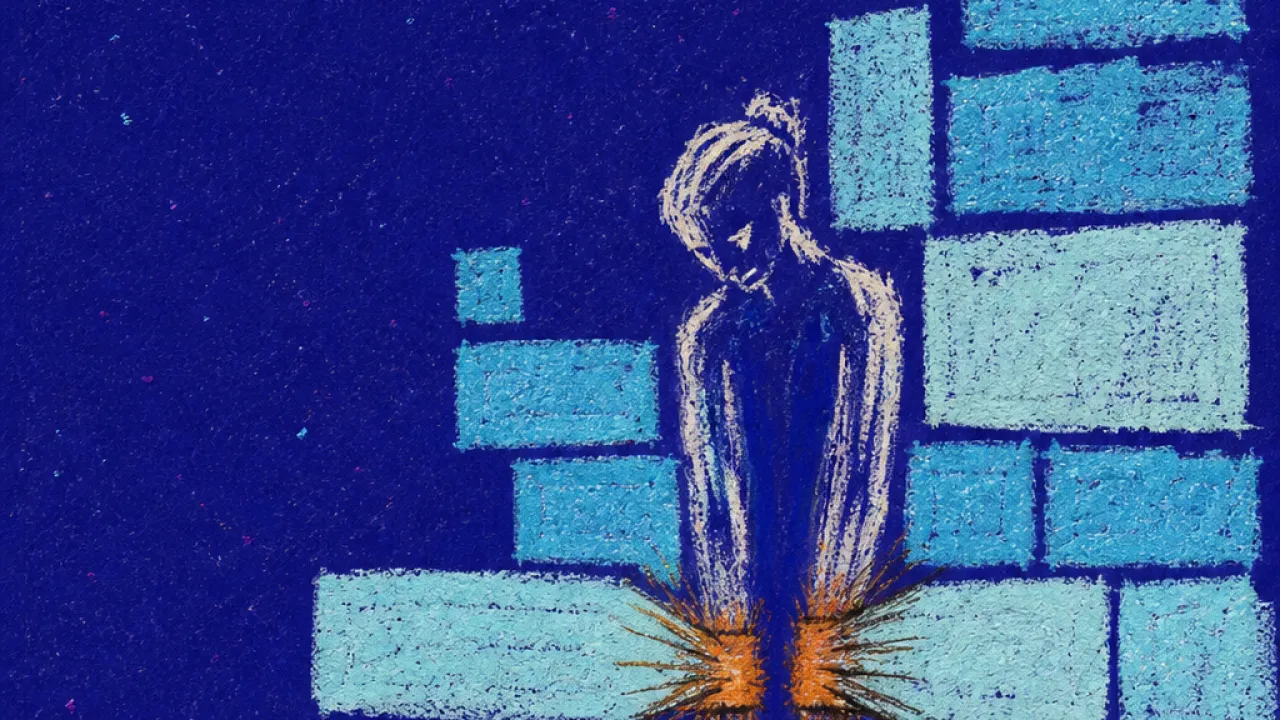
A solitary figure with narrowed shoulders as glowing calendar blocks press into the wrists and box the body in.

What is this situation?

Relationship Scheduling Pressure — you first notice it in the small exchanges that should be simple: “When are you free?” “Can we do later?” “This week is packed.” At first, you make room because everyone has work, classes, friends, family plans, commutes, deadlines, and days where the calendar is already too full. But over time, the pattern becomes harder to miss: you are the one checking availability, offering options, holding open evenings, moving your own plans, and waiting for a reply that turns a normal date into a logistical negotiation. Their schedule starts to set the shape of the relationship, while yours becomes the flexible layer underneath it. Plans get penciled in instead of chosen, rescheduled instead of protected, and squeezed between other commitments as if seeing you is something to fit around rather than something to make space for. You find yourself watching the phone, keeping your weekends half-open, softening your requests so you do not sound demanding, and feeling your shoulders tighten when another message arrives changing the plan again. The cost is not just less time together; it is the steady loss of ease around asking for time at all, much like the figure on the Two of Pentacles, trying to keep two coins moving in an endless loop while the waves behind him refuse to settle.

Why it's not you?

The problem is not that you are asking for too much; shared time becomes unstable when one person’s availability quietly controls the entire rhythm. Last-minute changes, vague plans, uneven effort, and calendars that only open when convenient are a scheduling structure, not a personal flaw.

Relationship Scheduling Pressure in Tarot Cards

Relationship Scheduling Pressure is not only about finding a free evening; it is the repeating strain of having shared time negotiated, moved, and re-confirmed until your body starts bracing for the next change. The shoulder tightness that shows up when another “can we do later?” lands is part of the same environmental, structural dynamic that makes one person’s calendar feel like the room both people have to live inside. The cards below do not decide whether the relationship is worth it; they mirror the pressure pattern around time, effort, and availability. Here are the Tarot Cards that tend to reflect this kind of scheduling pressure.

The Lovers
Reversed
The two figures stand on separate ground with a mountain rising between them beneath the angel. Reversed, the composition exposes a gap between the relationship's stated significance and the practical choices that would connect two separate lives. You are not measuring love by perfect availability; you are observing whether both people repeatedly choose to create usable time. The image reveals how scheduling can become the visible site of a deeper alignment problem when one person's priorities remain fixed and yours remain adjustable.
The Chariot
Reversed
The armoured driver stands above two differently coloured sphinxes without visible reins, while the chariot remains in front of the city. Reversed, the opposing forces do not convert intention into coordinated travel; movement is blocked at the level of alignment. You can discuss where the relationship is going while still lacking the protected time needed to go there. The image separates aspiration from infrastructure: a shared direction remains abstract when only your calendar is repeatedly redirected.
Wheel of Fortune
Reversed
The large wheel turns among figures that rise, descend, and remain stationed around its edges. Reversed, the circular structure emphasises repetition without correction, much like a relationship that repeatedly moves from tentative plan to change, apology, and another tentative plan. You do not need to treat every cancellation as identical to recognise the system they collectively create. The image makes the pattern auditable: different weekly pressures can still reproduce the same outcome when only one calendar is expected to absorb them.
Justice
Reversed
The seated figure holds balanced scales in one hand and an upright sword in the other, facing the situation directly. Reversed, those instruments expose an agreement whose consequences are not being distributed evenly, even if no explicit rule was ever stated. You may both describe yourselves as busy while only your plans are repeatedly displaced. The image makes fairness operational: the relevant measure is not whose reason sounds more important, but who consistently pays the calendar cost when commitments collide.
The Hanged Man
Upright
The figure hangs by one ankle from a wooden frame, motionless but alert, with a halo around his head. The pause creates a clear vantage point, yet it also shows a body whose normal movement has been suspended. You may be keeping time available before the relationship has actually claimed it with a firm plan. The image reveals that waiting is not empty: it occupies your calendar, limits competing choices, and transfers control of the next move to the person who has not replied.
Temperance
Reversed
The winged figure pours water between two cups while standing with one foot on land and one in water; a path extends into the distance. Reversed, the transfer no longer forms a stable blend, reflecting schedules that are repeatedly negotiated but never integrated. You may be highly capable of adapting without the relationship becoming genuinely coordinated. The image reveals the difference between mutual calibration and one-sided absorption: a shared rhythm cannot settle when only one life is expected to change shape.
Two of Pentacles
Reversed
The juggler keeps two pentacles in motion inside one continuous loop while unstable waves carry ships behind him. Reversed, the loop shows a relationship being maintained through perpetual adjustment rather than supported by a shared base. You may still see each other often enough to preserve the connection, but the conditions of access matter. The image reveals an asymmetry in which your movable plans act as the shock absorber for someone else's fixed priorities.
Four of Pentacles
Upright
The seated figure presses one pentacle to his chest, balances another on his head, and pins two beneath his feet while the city stands behind him. The posture makes resource protection visible: nothing can circulate freely while every point of contact is occupied by holding on. You may be given time only after work, friends, family, and personal routines have already been secured. The card does not assign a hidden motive; it reveals the observable structure in which one schedule stays guarded and yours must remain open enough to meet whatever is released.
Six of Pentacles
Reversed
The standing figure holds scales in one hand and distributes coins to two kneeling people with the other. Reversed, the scene highlights control over allocation: the person holding the resource also determines when and how others can access it. You may be offered enough time to keep the relationship active while still having little influence over its rhythm. The image makes the power dynamic concrete: availability is not fully shared when one calendar dispenses openings and the other must remain ready to accommodate them.
Two of Swords
Upright
The blindfolded woman holds two crossed swords while rocks interrupt the water behind her. Both options remain physically present, but the defensive posture keeps the decision frozen until more certainty appears. You may treat an unbooked evening as though no choice has been made, even after turning down other plans or staying close to your phone. The card makes that opportunity cost visible: uncertainty in one person's calendar can quietly decide how the other person uses theirs.
Eight of Swords
Upright
The blindfolded figure stands loosely bound inside a partial ring of swords, with open ground visible between the blades. The restriction is real enough to shape movement, but the scene also shows that the enclosure is incomplete. You may now hesitate to book your own plans before your partner has even confirmed a date. The image reveals how an external pattern becomes an internal constraint: repeated uncertainty trains your calendar to behave as though permission is still pending.
Nine of Swords
Upright
The figure sits upright in bed with both hands covering the face while nine swords line the dark wall overhead. The private night-time setting makes visible what daytime scheduling exchanges leave behind: the issue continues after the phone has gone quiet. You may be bracing for another change because prior changes have taught you that a plan is not secure when agreed. The image locates the distress in accumulated uncertainty, helping separate the real pattern of unreliable scheduling from self-criticism about supposedly asking for too much.
Eight of Wands
Reversed
Eight staffs cross an open sky toward a distant green landscape and river. Reversed, their clean trajectory becomes a picture of updates that fail to land, mirroring a date repeatedly altered through texts and last-minute notices. You may receive plenty of communication while still lacking a usable commitment. The card separates responsiveness from reliability: fast messages do not restore the time displaced when the agreed plan keeps changing.
Ten of Wands
Upright
The figure bends beneath ten bundled wands, carrying them alone toward the buildings ahead. The town is close enough to reach, but the load obscures his view and turns arrival into a test of endurance. You may interpret each completed date as proof that the arrangement works, even when you performed nearly all the work required to secure it. The card reveals the hidden labour beneath romantic continuity: the relationship reaches its meetings because one person repeatedly carries the logistics.
Knight of Wands
Reversed
The knight's horse rears beneath him while he holds a flowering wand against a hot, open landscape. Reversed, the energetic departure loses a stable course, matching plans that are made quickly but cannot be relied on to hold their direction. You may receive genuine enthusiasm without receiving dependable time. The image separates intensity from continuity: a last-minute invitation can feel connecting while still requiring your calendar to absorb all the uncertainty.

Relationship Scheduling Pressure in Tarot Card Reading Insights

When Relationship Scheduling Pressure becomes the thing people bring into a reading, the focus often shifts from the cards themselves to the repeated experience of waiting, adjusting, and trying to understand where shared time actually stands. Others have brought this same calendar strain into readings, especially when plans keep moving but the need for clarity stays in place. Tarot Reading Insights from related readings.

Psychological Contexts Related to Relationship Scheduling Pressure