Why Posting Feels Too Exposed

A grounded look at creator visibility pressure, related tarot cards, and tarot reading insights from visibility-focused sessions.

Creator Visibility Paralysis
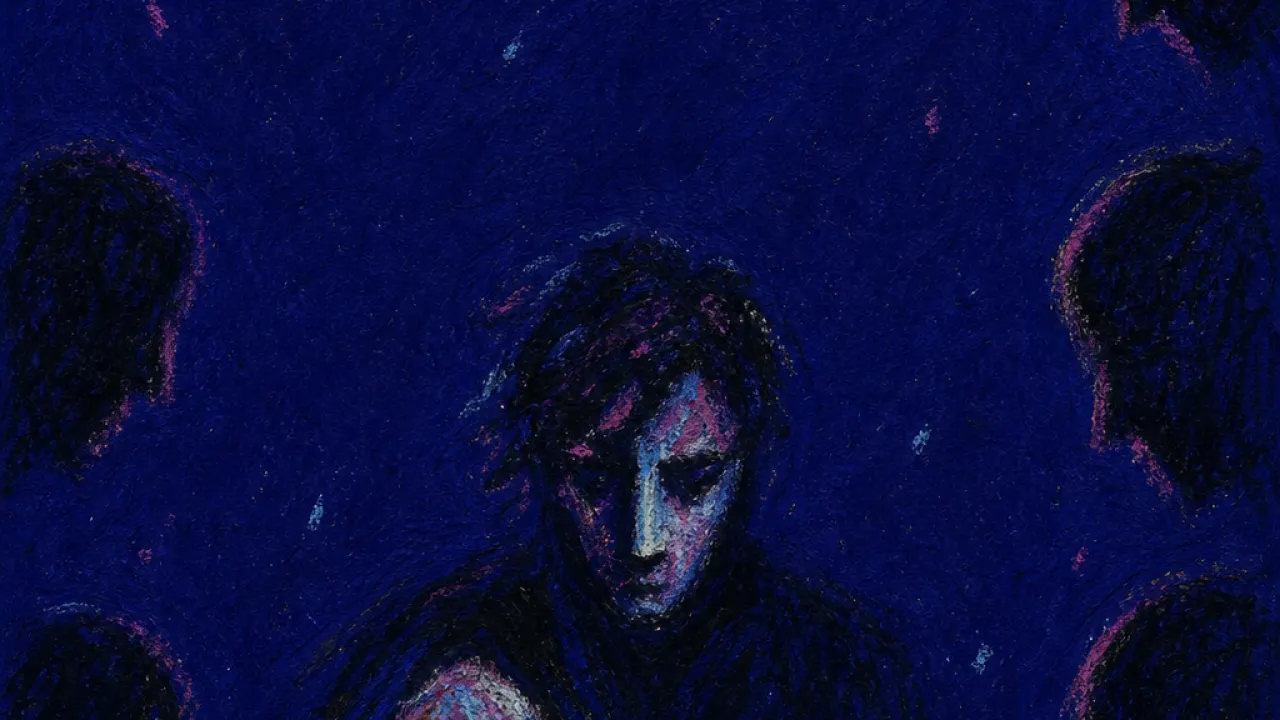
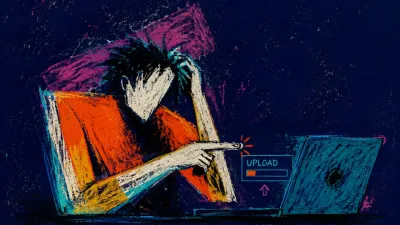
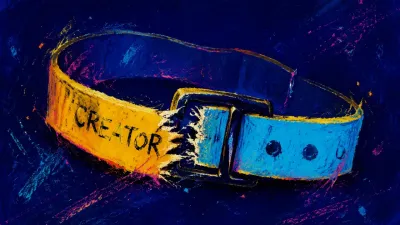
A solitary figure hovering over a glowing upload button as silent silhouettes press inward from a screen edge

What is this situation?

Creator Visibility Paralysis — you open the app, the edit window, the portfolio tab, or the empty caption box, and the piece you were excited about suddenly becomes something else: a public object that can be ignored, screenshotted, misunderstood, compared, or used to define you. It starts before you even post, in the tiny rituals around exposure: checking how similar creators are performing, rewriting one sentence ten times, wondering whether the lighting makes you look too casual or too polished, whether your take is useful or cringe, whether your friends, coworkers, old classmates, clients, or strangers will read confidence as arrogance. The platform keeps asking for consistency, personality, speed, niche clarity, and a face people can attach to the work, while the numbers under each post quietly turn visibility into a scoreboard. You save drafts, archive things, delete captions, change thumbnails, over-edit your voice, and tell yourself you are just refining, but the day gets eaten by the gap between making and showing. The pressure is not only attention; it is the way attention can arrive with silence, comparison, comments, metrics, and a permanent record. Over time, the creative act gets crowded by an invisible room of possible viewers, much like the figure on the Eight of Swords, bound and surrounded by blades while the open path is technically there but feels narrow, watched, and hard to step into.

Why it's not you?

The problem is not that you are lazy, fragile, or not cut out for creating in public. The problem is that modern platforms turn creative work into a performance environment, where algorithms, metrics, screenshots, and audience reaction sit right next to the work itself. That setup can make any post feel heavier than the piece you originally made.

Creator Visibility Paralysis in Tarot Cards

Creator Visibility Paralysis is the point where making something and showing it stop feeling like the same act, because the feed, the metrics, and the watched silence all press on the upload button. The tight chest, hovering thumb, and unfinished caption are not random friction; they mark an environmental, structural dynamic built around being seen, measured, and judged at once. These Tarot Cards do not decide whether you should post, disappear, rebrand, or explain yourself. They reflect the shape of this visibility pressure as it lands on the body and the work.

The Magician
Reversed
The Magician stands over a table holding a wand, cup, sword, and pentacle, with one hand raised and one lowered to connect intention with material action. Reversed, the tools remain available but the channel between creative ability and public authorship is disrupted by the audience's imagined evaluation. The structure reveals a cognitive system in which visibility has become proof of identity rather than one stage of sharing work. You can know how to make, edit, and publish while still treating the public response as permission to believe the work belongs to you and can stand under your name.
Wheel of Fortune
Upright
A large wheel turns beneath a sphinx while figures and symbols rise, descend, and circulate around its rim. The changing positions provide a concrete image for algorithmic reach: the same quality of work can meet different levels of attention as platform conditions, timing, and audience behavior shift. The upright wheel is active rather than closed, but its movement is not controlled by the creator standing beside it. You are asked to choose a posting moment inside a system whose feedback can arrive as silence, sudden reach, comparison, or a new metric without explaining what changed.
The Hanged Man
Upright
An upside-down figure hangs from a living tree, one leg forming a deliberate angle while the face remains composed. The suspended body mirrors a creator held between private craft and public identity, unable to move the work forward until the meaning of being seen feels settled. The upright pause can supply a different view of audience, platform, and personal voice, but it also creates a direction bottleneck when no new perspective is allowed to become a decision. You remain productive in suspension while the public version of the work waits for permission to exist.
The Moon
Upright
The moon hangs between two towers above a winding path, while a dog, a wolf, and a crayfish respond from different positions. The layered scene mirrors ambiguous audience reaction: one viewer may read confidence as arrogance, another may miss the point, and a third may project a meaning the creator never intended. The upright landscape offers a route, but its landmarks are hard to interpret before movement begins. You keep rewriting captions and over-editing your voice because the public field contains real uncertainty mixed with imagined interpretation, and the two are difficult to separate from inside the edit window.
Judgement
Reversed
An angel raises a trumpet above figures emerging from stone enclosures, turning private bodies into a public summons. Reversed, the call to be seen feels less like an invitation into a creative community and more like a hearing in which one post could become evidence about the creator's intelligence, taste, confidence, or legitimacy. The figures can rise and be witnessed, but the reversed orientation blocks the transition from private work to public answer. You rehearse every possible interpretation because the platform makes visibility feel permanent, searchable, and capable of turning a single upload into a lasting identity record.
The World
Reversed
A dancing figure holds a completed wreath while four figures frame the scene from its corners. Reversed, the circle does not deliver clean closure: the finished creative piece remains inside private review, and the final movement from completion into public circulation keeps looping back into another edit. The image exposes the difference between finishing a work and allowing it to occupy a social world. You may have a coherent piece, portfolio, or body of work, but the blocked threshold makes release feel like surrendering the right to control how the completed whole will be remembered.
Seven of Cups
Upright
Seven cups float before a silhouetted figure, each holding a different promise, threat, or polished object. The crowded display mirrors the creator choosing among captions, thumbnails, formats, audience personas, niches, and versions of the same work, with every alternative carrying a different imagined public reaction. The upright scene offers options but no reliable way to rank them from inside the audience's gaze. You keep generating more versions because possibility feels safer than committing to one visible interpretation, and the work loses momentum inside the abundance of choices.
Two of Pentacles
Upright
The juggler keeps two pentacles moving inside an infinity loop while waves rise behind them. That physical balancing act mirrors a creator switching between making, editing, captioning, posting, and reading metrics, with every task demanding attention before the previous one feels complete. The upright figure has enough agility to keep the system moving, but the cost is a day governed by reactive handoffs. You are not failing to work; your daily architecture has been absorbed by the platform's demand to be both a maker and a continuously available public account.
Three of Pentacles
Upright
Two observers study a craftsperson's work inside a stone building, with plans and architectural detail making the project inspectable. The scene mirrors a portfolio or creative post placed before clients and collaborators, where the work is no longer only an expression but evidence of competence that other people can assess. The upright collaboration has a real structure for feedback and recognition, yet its observers also make evaluation unavoidable. You keep refining the piece because professional visibility requires translating a personal process into a legible signal for people who may hire, compare, or categorize you.
Four of Pentacles
Upright
A seated figure clamps one pentacle to the chest, plants two beneath the feet, and balances another on the crown, with a city held at a distance behind. The guarded arrangement resembles drafts, files, and carefully protected self-presentation held so tightly that the work cannot travel beyond its private container. The upright posture provides control and a defensible boundary, but it also makes withholding feel like the safest available option. You are choosing protection over circulation each time a finished piece is saved, because the public version could be ignored, copied, misread, or attached to your name.
Seven of Pentacles
Upright
A farmer leans on a hoe and studies a cluster of pentacles growing from the earth. The paused body captures the creator looking at accumulated work and asking whether the next visible action will produce recognition, useful feedback, clients, or another quiet set of numbers. The upright field shows that effort has produced something tangible, but the harvest is not immediately legible. You can keep assessing the work without moving it into public circulation, because waiting preserves the possibility that a better result will appear before the creator has to be measured.
Eight of Pentacles
Reversed
The worker sits at a bench with finished pentacles displayed nearby and another piece still receiving concentrated attention. Reversed, the visible craft process becomes endless professional proof: every caption, thumbnail, edit, and portfolio detail is treated as if it must demonstrate competence before the work can be sent outward. The tools and skill are present, but the career handoff is blocked by a standard that keeps moving as the creator approaches it. You can accumulate more polish while delaying the pitch, application, commission, or public case study that would allow other people to recognize the work.
Two of Swords
Upright
A blindfolded figure sits before dark water with two swords crossed across the chest. The sealed posture gives physical form to the post-or-archive split: either choice opens the creator to a different kind of exposure, so holding both options becomes the only action that feels controllable. The upright image still contains usable agency, because the swords are in the figure's hands and the route is not physically sealed. You can choose, but the imagined audience has made each option feel like a statement about your competence, taste, confidence, and right to occupy the space.
Eight of Swords
Upright
The blindfolded figure stands bound among eight swords, with the open path and surrounding landscape still physically present. The image gives shape to an inner audience made from anticipated viewers, coworkers, old classmates, clients, and strangers: their possible reactions become the blades surrounding an otherwise available act of publication. The upright path is not removed, but access to it is obscured by self-monitoring. You begin editing for every imagined viewer at once, so the private creative voice becomes difficult to hear beneath the social identities that might be assigned to it.
Nine of Swords
Upright
Nine swords line the wall above a seated figure in bed, turning a private room into a space occupied by sharp, repeated thoughts. The scene maps onto the creator rehearsing comments, screenshots, low numbers, misread captions, and comparisons long before the post enters the feed. The upright room makes the cost of imagined visibility concrete without requiring an actual public event. You bring the audience into the editing space, where each possible reaction takes up attention and the creative act is delayed by invisible preparation for consequences that may never arrive.
Page of Swords
Upright
The young figure holds a sword upright while wind moves through the hair and clouds gather behind the alert stance. The raised blade and watchful posture resemble the creator checking comparable accounts, comment sections, notifications, and small changes in audience behavior before deciding whether a piece is safe to show. The upright figure is ready to notice information, but attention has become surveillance of the social field. You can gather useful signals, yet repeated checking turns other creators and imagined viewers into a permanent pre-publication panel that delays your own entry.
Two of Wands
Upright
One wand is fixed to the battlement while the figure grips the other and looks over a wide landscape, globe in hand. The scene places a creative identity at the threshold between a protected private position and a larger public field, where choosing a niche, tone, or audience also chooses what part of you becomes legible. The upright figure has a real horizon and tools for planning, but the decision remains socially loaded. You can see multiple routes for the work, yet the platform asks you to compress a changing creative practice into a stable public identity before you feel ready to be defined by it.
Three of Wands
Upright
A figure stands at the edge of a high landscape with three wands planted in the ground, watching ships move across the water. The horizon gives the launch a visible shape: the work can leave the private shore, but its reception will travel through a field the creator cannot directly supervise. The upright stance has perspective and a route outward, yet the distance also makes response difficult to read in advance. You keep preparing the post because publishing means releasing control over timing, audience fit, comparison, and the story other people attach to the work.
Five of Wands
Upright
Five figures raise crossed wands in a crowded, directionless contest. The visual noise resembles a creator checking similar accounts, comparing hooks and lighting, and trying to identify which voice can be noticed without appearing derivative, arrogant, or out of step with the field. The upright group has energy and participation, but no clear adjudicator explains what counts as winning. You enter a social arena where every post becomes both creative work and comparative evidence, so the pressure to differentiate can make silence feel more defensible than adding another voice.
Six of Wands
Reversed
A mounted rider carries a laurel through a crowd holding raised wands, making professional recognition visible and collective. Reversed, the parade becomes an unstable career scorecard: audience numbers, client reactions, shares, and peer attention can appear to confirm or deny competence without showing what the work actually achieved. The rider still has a public route, but the reversed scene makes status dependent on reception that cannot be controlled in advance. You delay showing the work because one quiet launch, awkward comment, or weak metric could be read as a verdict on your whole professional direction.
Seven of Wands
Upright
A figure stands on higher ground with one wand raised against six wands coming from below. The elevated position resembles a creator whose take, niche, or visual language has become visible enough to attract comparison and response, while the surrounding wands represent the pressure to explain or defend the work. The upright figure has a defensible position and a clear tool in hand, so public participation is possible without surrendering the whole voice. You still have to decide whether every post must become a debate, because anticipated comments can make the act of entering the field feel like accepting an endless defense role.
Ten of Wands
Upright
Ten wands obscure the carrier's view as they walk toward a town, turning a destination into something that can barely be seen. The load maps onto the platform bundle of consistency, personality, speed, niche clarity, editing, analytics, and audience maintenance that sits on top of the original creative act. Upright, the burden is being carried rather than removed, so the issue is not a lack of commitment. You can keep producing, but the overloaded routine leaves little capacity for the exposed handoff where a private piece becomes a public object.

Creator Visibility Paralysis in Tarot Card Reading Insights

Creator Visibility Paralysis shows up when the work is ready enough to exist, but the public-facing machinery around it turns posting into exposure. Other creators have brought this same stuck-at-the-threshold moment into readings, moving from the cards into the specifics of being seen online. Tarot Reading Insights from sessions on visibility, posting, and creative exposure.
Psychological Contexts Related to Creator Visibility Paralysis