Is Clarity Editing the Evidence?

A clear audit of the evidence-filtering pattern, the tarot cards that mirror it, and reading insights where it appears.

Confirmation Bias
What is this really?

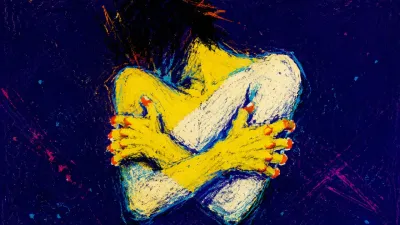
You scan a situation for the detail that backs the answer you already want: one supportive comment, one promising card, one neat argument, one screenshot that makes the choice feel settled. Your mind is trying to quiet cognitive dissonance and make uncertainty feel manageable, so selective attention turns scattered data into a cleaner version. Yet the more polished that version becomes, the more your body has to hold out the signals that do not fit, like the seated figure in the Nine of Cups, arms crossed before a bright row of cups, guarding the display as if it proves the whole room.

Why did it happen?

At some point, holding onto the cleanest clue may have helped you move through mixed signals without freezing in place; one clear thread gave your body something to grip when the full picture felt too loud. Now that same inner pattern can start running before you notice it: the supportive detail glows, the awkward detail blurs, and the subconscious loop leaves you mentally tired from keeping one answer intact.

How does it feel?

  • In a team meeting, you hear one encouraging line from a manager and your pen pauses midair; later, when the slide with stalled timelines comes up, you keep your eyes on the earlier note in your notebook. That little lift in your chest can arrive first, followed by a tightness low in your stomach and a jaw that stays set after the meeting ends. You can let the mixed body signal exist without turning it into an immediate verdict.
  • When a friend sends a short reply, your thumb hovers over the screen while you reread the same four words, then scroll back to the one earlier pause that seems to match them. In that moment, your eyes may narrow, your breathing may get shallow, and heat may gather around your cheeks before you decide what the message means. It is enough to notice the sensation before choosing a response.
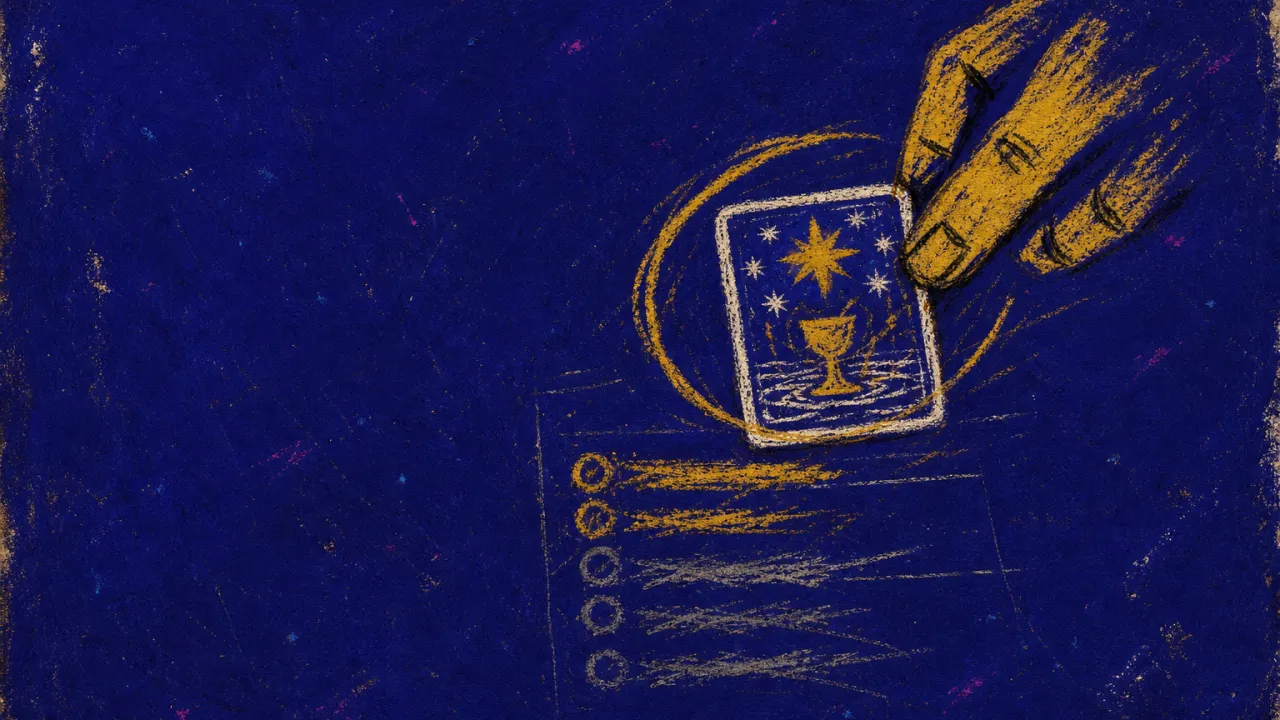
  • After pulling cards for a choice, you zoom in on the card image that matches the option circled in your notes, angle the phone closer, and leave the complicating card just outside the crop. Your throat may go dry and your fingers may tense around the phone, as if the body is trying to hold the frame still. You can allow the frame to stay unfinished for a moment.
  • While researching, you use search within a PDF to find the phrase you wanted, copy it into your draft, and close the tab when the next paragraph starts pushing the point sideways. Your shoulders may creep forward, your forehead may tighten, and the focus can feel sharp but brittle. You do not have to widen the page all at once.
  • Late at night, you open the notes app, bold the strongest reason to go ahead, delete one awkward bullet, and read the list back in a quieter voice. There may be a small rush in your chest, then a flat tiredness behind the eyes once the screen goes dark. Let the edited list be seen as edited, without forcing a final answer tonight.

Confirmation Bias in Tarot Cards

The reflex to collect signs that support the answer you already prefer is the same pattern you felt in the dry throat and tense fingers over the circled card. From a Jungian archetypal theory lens, this kind of narrowing can be understood through images that gather attention around one convincing symbol. The cards do not settle the verdict; they reflect the unconscious dynamics of that edited field. Below are the Tarot Cards that map this pattern.

Nine of Cups Reversed
The cups shine in a clean row behind the man, creating a flattering mirror of success. His crossed arms sit in front of that image like a lock, protecting the story that the visible reward is enough evidence. When reversed, the display can become a filter rather than a sign of fulfillment. The psyche keeps selecting the facts that preserve the preferred conclusion and pushes away the messier signals that would complicate the choice. In a choice reading, this pattern reveals the danger of only auditing evidence that supports what you already want. You may be asking for clarity while unconsciously defending one answer, and the card exposes where the preferred cup has started editing the whole spread.
Ten of Cups Reversed
The eye is pulled toward the rainbow, the shared gesture, and the smooth emotional field. Reversed, that pull can become selective attention: the mind keeps returning to the evidence that protects the bright outcome and looks away from signals that would disturb it. Confirmation Bias in career life often hides inside hope. You notice the one encouraging comment from a manager, the one possible opening, or the one cultural signal that says things might improve, while repeated evidence of blocked growth, weak sponsorship, or unstable incentives becomes easier to explain away. The reversed Ten of Cups frames this as an emotional filtering system, not a character flaw. The pattern is trying to preserve the future image you invested in; the audit asks whether that image is still being supported by reality.
Page of Cups Reversed
The Page looks at the fish rather than the whole horizon, and the fish looks back from inside the cup as if the answer has arrived from somewhere outside him. The empty sky and the broad water remain present, but the composition makes the small sign feel more important than the full field. Confirmation Bias grows from that narrowed channel. You may notice only the reading, coincidence, or feeling that confirms the choice you already want, while contradictory evidence fades into the sea behind the figure. The card does not shame the desire; it shows how a desired answer can start wearing the costume of objective guidance.
Knight of Cups Reversed
The rider's gaze is narrowed onto the cup, while the river, bank, and distant hills remain secondary in the visual hierarchy. The object of desire receives the cleanest attention, so the wider terrain has to compete with the emotional brightness of one chosen symbol. Confirmation Bias emerges when a preferred option becomes the filter through which all data is read. The card shows attention selecting the evidence that keeps the cup meaningful while lowering the volume on anything that would complicate the route. You may be gathering information, but the pattern is pre-sorting that information toward the answer the emotional system already wants.
Queen of Cups Reversed
The covered chalice gives no visible contents, yet the Queen's whole posture, the praying figures on the handles, and the blocked horizon keep attention pointed inward. With no external counterweight in view, the private image can start to feel more reliable than the wider landscape. Confirmation Bias forms when a decision reading is scanned for the answer that soothes the preferred option and filters out the line that complicates it. The pattern lets the cup appear objective while quietly editing the evidence around emotional comfort.
Ace of Swords Upright
The crown, palm, and olive branches gather around the blade like symbols arranged to support one clean conclusion. The image is balanced and persuasive, which is exactly why the mind can mistake a beautiful internal story for objective evidence. Confirmation Bias works by making selected data feel like clarity. The sword may be sharp, but the surrounding symbols can become a frame that privileges the conclusion the psyche already wants to protect. In a choice reading, this pattern shows where You may be asking for truth while quietly arranging the evidence around a preferred answer. The card's blade does not only cut through confusion; it can also cut through the way certainty gets staged.
Reversed
The crown balanced on the sword can look like truth held perfectly in place, but the same image can harden into a belief that only one interpretation deserves authority. The grip tightens around the hilt, and the blade’s clear division begins to exclude feedback rather than organize it. Confirmation Bias appears when the mind starts collecting only the details that support its existing read of a friend. A late reply, a changed tone, or a memory from months ago becomes evidence, while repair attempts or contradictory signals lose weight. The reversed Ace of Swords shows how clarity can become selective when it is carrying emotional pressure. You may be trying to protect yourself from being used or dismissed, but the pattern turns the sword into a filter that keeps confirming the same story until the friendship has no room to surprise You.
Three of Swords Upright
The three swords form an orderly geometry around the heart, creating a strange sense of structure inside the injury. The wound is not visually chaotic; it is organized, symmetrical, and convincing, which mirrors the way a painful social belief can start to feel like a clean explanation. Confirmation Bias enters when the mind begins gathering social details that support the same wound-story: they did not reply because they dislike you, they laughed because you were the target, they gathered without you because you never belonged. The cloudy background matters because unclear social data is exactly where this pattern becomes powerful; ambiguity gets sorted into the interpretation that already hurts. The card supports this pattern because the swords show thought shaping emotion into a fixed structure. You are not just feeling rejected; the mind is building an evidence system around the wound, and every new social cue is pulled toward that center unless the structure is consciously audited.
Six of Swords Reversed
The boat creates a contained channel, and every figure faces the same direction. The oar, the angle of the vessel, and the downcast posture all concentrate the eye into one route while the rest of the water stays peripheral. That composition shows how a decision can become selective before it becomes conscious. You may think you are asking for clarity, but the system is already filtering for evidence that keeps one preferred route intact or keeps one feared route disqualified. Confirmation Bias fits this card when the protected crossing becomes a sealed interpretation chamber. The pattern does not mean the chosen direction is wrong; it means the decision needs an audit of which signals were allowed into the boat and which were kept outside.
Nine of Swords Reversed
The swords are arranged in one direction, and the quilt is filled with repeated, incomplete symbols. The visual field suggests a mind sorting fragments into a single pressure narrative while the dark background removes alternative context. Confirmation Bias in friendship operates by building a case from selected evidence. Every short reply, missed invite, or awkward pause gets filed under the same conclusion, while signs of care or neutrality become easier to ignore. The card shows the trap inside the pattern: the more evidence the mind collects, the more objective it feels. But the evidence has already been filtered by fear, so the friendship is being judged from inside a narrowed symbolic system.
Ten of Swords Reversed
Reversed, the hidden face creates an interpretive vacuum. Because the inner state cannot be seen, the mind overreads the outer evidence: the blades, the dark sky, the fallen posture. The small line of dawn is present, but it does not fit the dominant story, so it becomes easy to discount. Confirmation Bias appears when timing anxiety starts collecting only the signs that support its feared conclusion. Delays, silence, friction, or fatigue become proof that the window is doomed, while recovery signals are treated as exceptions or wishful thinking. In timing work, this card shows how perception can be edited by a conclusion that formed too early. The field may contain mixed data, but the pattern keeps selecting the evidence that makes defeat feel certain.
Knight of Swords Upright
The sword's line runs beyond the frame, while the knight's gaze, horse, and wind all reinforce the same direction. The visible world narrows around the path of the blade, so the image feels certain even though the destination is not fully shown. That narrowing is the cognitive shape of Confirmation Bias. In a decision reading, the mind may collect signs, arguments, advice, or tarot cards that support the option already gaining momentum, while filtering out information that would slow the charge. You may experience this as clarity that arrives too fast and feels strangely resistant to contradiction. The card invites an audit of whether the decision field is truly coherent, or whether the evidence has been arranged around the choice the body already wants to make.
Queen of Swords Reversed
The Queen looks outward from a fixed seat, with the sword, crown, and throne all reinforcing a single coherent position. The scene gives her enough distance to observe clearly, but that distance can also make one interpretation feel more stable than the full emotional complexity beneath it. In family narratives, an old role can become a lens that organizes every new interaction. The mind scans for familiar evidence because familiar evidence feels safer than uncertainty: the favored sibling, the critical parent, the impossible expectation, the conversation that will probably go the same way again. Confirmation Bias appears when You protect yourself by predicting the family script before it unfolds. The card shows why this can feel rational and necessary, while also revealing the cost: old evidence may become so dominant that genuinely new data cannot reach the throne.
King of Swords Reversed
The sword draws the eye into a single vertical line, while the King's stern face and elevated throne make the decision feel already organized from above. The landscape is present, but it stays low and distant, easy to treat as background rather than evidence. That visual hierarchy mirrors a selective attention loop. The mind can become so invested in one timing conclusion that it starts reading the field for confirmation instead of information. You may be gathering signs, advice, and data, but only the details that support the preferred window are allowed to matter. Confirmation Bias in timing work is not ignorance; it is edited perception under pressure. The card shows how judgment can feel objective while quietly filtering out the seasonal cues that would complicate the decision.
Four of Wands Reversed
The bright garland sits high in the foreground, pulling the eye toward the decorated answer while the bridge and distant route sit off to the side. The scene contains more than one piece of information, but the most beautiful signal dominates the field. Confirmation Bias fits this reversed reading because the mind can use the most comforting sign as a spotlight and let inconvenient evidence fall into shadow. You may search the spread, the situation, or other people's reactions for proof that the preferred choice is safe. The card exposes the difference between receiving a sign and selecting only the signs that protect the outcome you already want.
Five of Wands Reversed
The card gives each figure a distinct color, stance, and angle, but the scene's motion makes difference look like opposition. The eye does not pause long enough to understand each position; it follows the clash and starts organizing the whole field around conflict. Reversed, this becomes Confirmation Bias when the mind enters workplace tension already holding a verdict. It notices the wand that proves the story and filters out the signals that might complicate it. In career terms, that can lock you into a narrow read of a manager, peer, or team dynamic. The card's value is not to say the conflict is imaginary; it shows how a real conflict can become harder to navigate when the mind only collects evidence for the first explanation it found.
Eight of Wands Upright
The open sky could hold many directions, but the eye is pulled into the single diagonal made by the eight parallel wands. Their orderliness creates a persuasive visual argument: because everything lines up, the chosen route appears obviously correct. That is the cognitive hook of Confirmation Bias in academic work. You may search for sources that support the thesis you already like, interpret feedback as agreement, choose evidence that protects your current plan, or ignore data that would force a more complex revision. The card does not show confusion; it shows clean momentum. That is why the pattern can be hard to catch: the mind feels focused and efficient while quietly filtering the field so that only confirming signals remain visible.
Queen of Wands Reversed
The Queen holds the wand and sunflower in a way that gives the scene a strong line of attention. When this visual axis tightens, the same symbols of will and vitality can become props used to defend one interpretation of the choice. The reversed mechanism is not lack of information; it is selective admission. The mind keeps collecting signs, readings, advice, or evidence, but the throne-bound filter only lets in what protects the preferred answer. For you, Confirmation Bias names the moment a choice reading becomes a mirror for a preselected outcome rather than an audit of the whole field. The pattern matters because it can make the decision process feel spiritual, intuitive, or rational while quietly screening out the data that would create real clarity.
King of Wands Reversed
The throne carries a subtle slant, but the King still appears composed, focused, and sure of his line of sight. The wand and gaze draw attention forward, while the lion and salamander symbols reinforce a coherent story of courage, heat, and transformation. In reversal, that coherence can become Confirmation Bias. The mind starts collecting evidence for the option that already matches its preferred story, while the tilted ground beneath the decision is treated as irrelevant background noise. For You, this pattern matters when a choice feels obvious but strangely unexamined. The card asks what evidence has been allowed into the chamber of decision, and what has been excluded because it would interrupt the identity, desire, or strategy already taking shape.

Confirmation Bias in Tarot Card Reading Insights

For anyone who collects signs that support the answer they already prefer, the next layer is seeing how others bring that same evidence filter into readings. Below are Tarot Reading Insights where this pattern appeared in the spread and shaped the questions people asked.

Psychological patterns related to Confirmation Bias