Visible Help, Missing Door
A clear look at blocked support, related tarot cards, and reading insights from questions about access, timing, and permission.

Support Access Barrier
What is this situation?
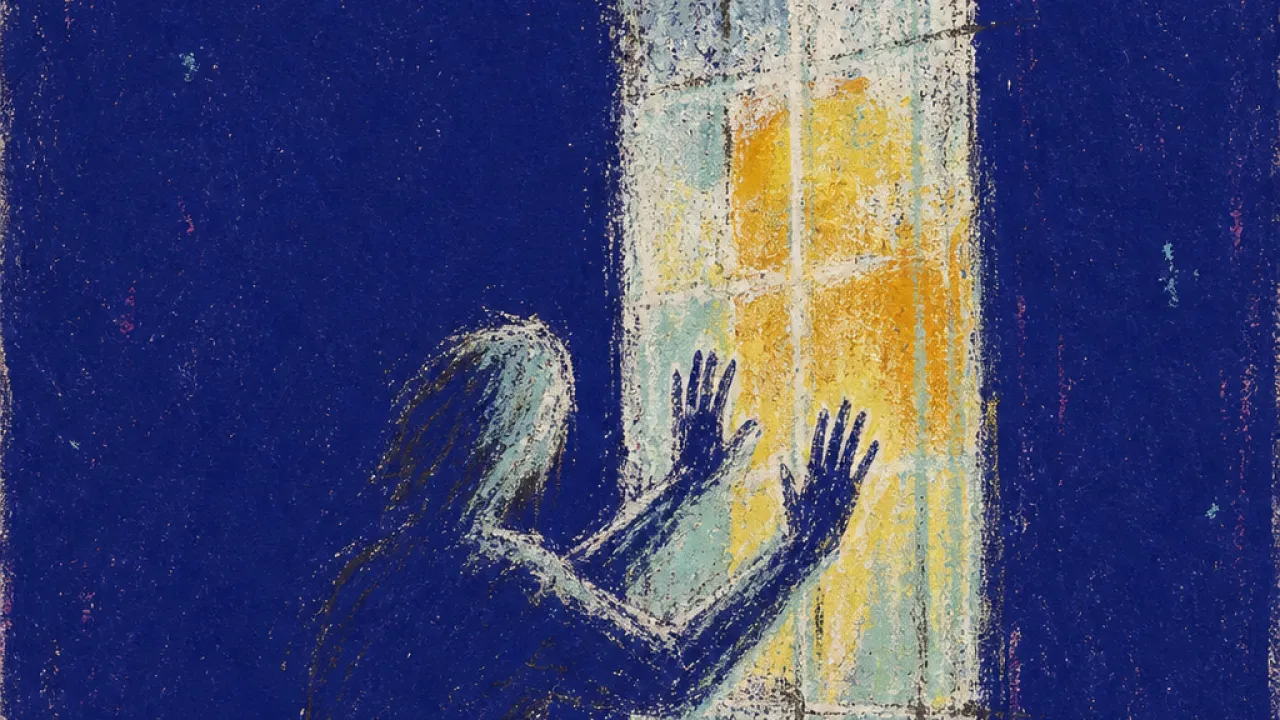
Support Access Barrier — you can see help close enough to name it, but the route into it keeps disappearing right when you need it. It starts in places that are supposed to make things easier: a university portal with five tabs and no clear appointment link, a workplace HR page full of policies no one explains, a community group where everyone says reach out anytime but no one says how, a friend circle where support has to be requested in exactly the right tone. You spend your week moving between email threads, eligibility forms, waitlists, office hours, funding pages, group chats, and carefully worded DMs, trying to work out which door is open and which one only looks open from the outside. The people with keys may be busy, vague, senior, socially central, or protected by process; they can offer warmth in public language while leaving the practical entry point buried under timing, cost, status, paperwork, or unspoken rules. Your shoulders tighten before you hit send, because every request seems to require proof, translation, and the right level of need: serious enough to matter, but not so much that it makes other people uncomfortable. You learn to keep the need small, to ask in ways that will not sound messy, to prepare evidence before anyone has even invited you in, and the effort of making your situation acceptable becomes another task on top of the thing you needed support for. What wears you down is not just needing help, but standing near systems that advertise care while making access feel coded, delayed, or dependent on the right person's permission, much like the Five of Pentacles, where the bright church window glows above the snow while the figures pass below with no visible door into the warmth.
Why it's not you?
The problem is not that you failed to ask perfectly; the support pathway is built with missing doors. Vague policies, guarded timing, unclear eligibility, social gatekeeping, and cost barriers can turn available help into something you can see but cannot reach. Support Access Barrier names that gap, so the blockage is placed where it belongs: in the access route, not in your worthiness.
Support Access Barrier in Tarot Cards
In a Support Access Barrier, the tightened shoulders before you hit send are part of the contact point between need and entry rules. This is an environmental, structural dynamic: support may be nearby, but the route into it is filtered through timing, status, paperwork, or coded language. The cards below do not tell you to push harder or stay outside; they reflect the shape of the threshold itself. These Tarot Cards map the visible support, missing door, and controlled exchange that define this situation.
Support Access Barrier in Tarot Card Reading Insights
People bring a Support Access Barrier into readings when help is visible but the entry point is unclear, delayed, or socially guarded. After the card list, the focus shifts to how this situation appears when someone sits with the question of access, permission, and timing. Tarot Reading Insights from sessions on support that can be seen but not easily reached.

The 11:43 p.m. Draft: A Celtic Cross from Rescue to Reciprocal Care
Topic:Introspection Tarot Reading
Struggle:Caretaker Role Lock
Context:Fixer Friend Dynamic

The Adulting Shame Spiral: When Three Tabs Became One Honest Text
Topic:Choice Tarot Reading
Struggle:Willpower Dependence Trap
Context:Life Admin Backlog

Cold Takeout, Therapy Tabs, and the Night Booking Changed Meaning
Topic:Choice Tarot Reading
Struggle:Masked Self-Division
Context:Support Access Barrier

Draft-Delete Loop Around 'Can I Call?'—And the Shift to One Plain Ask
Topic:Friendship Tarot Reading
Struggle:Permission Paralysis
Context:Direct Communication Trial

When 'You Okay?' Meets 'lol I'm fine': Letting One True Sentence Stay
Topic:Friendship Tarot Reading
Struggle:Support Access Split
Context:Emotional Suppression Culture

Downplay First, Feel Later—and How to Name What Kindness Touched
Topic:Friendship Tarot Reading
Struggle:Nurture Deficit
Context:Soft Exclusion

Opening Up, Getting Advice, Then Asking for Listening First
Topic:Introspection Tarot Reading
Struggle:Support Access Split
Context:Direct Communication Trial

When "You Okay?" Feels Like Exposure: One Honest Sentence Before Humor
Topic:Introspection Tarot Reading
Struggle:Emotional Secrecy Spiral
Context:Care Reciprocity Test

The 9:18 p.m. PTO Draft—And the Two-Sentence Send at 11:12 a.m.
Topic:Introspection Tarot Reading
Struggle:Scarcity Compass Lock
Context:Always On Availability

I Kept Deleting a Simple Slack Question—And Stayed Up Doing It Alone
Topic:Family Tarot Reading
Struggle:Nurture-Competence Split
Context:Family Script Pressure