Seen, Still Unreached

Trace the spotlighted ache of performative loneliness through related tarot cards and tarot reading insights from sessions.

Performative Loneliness
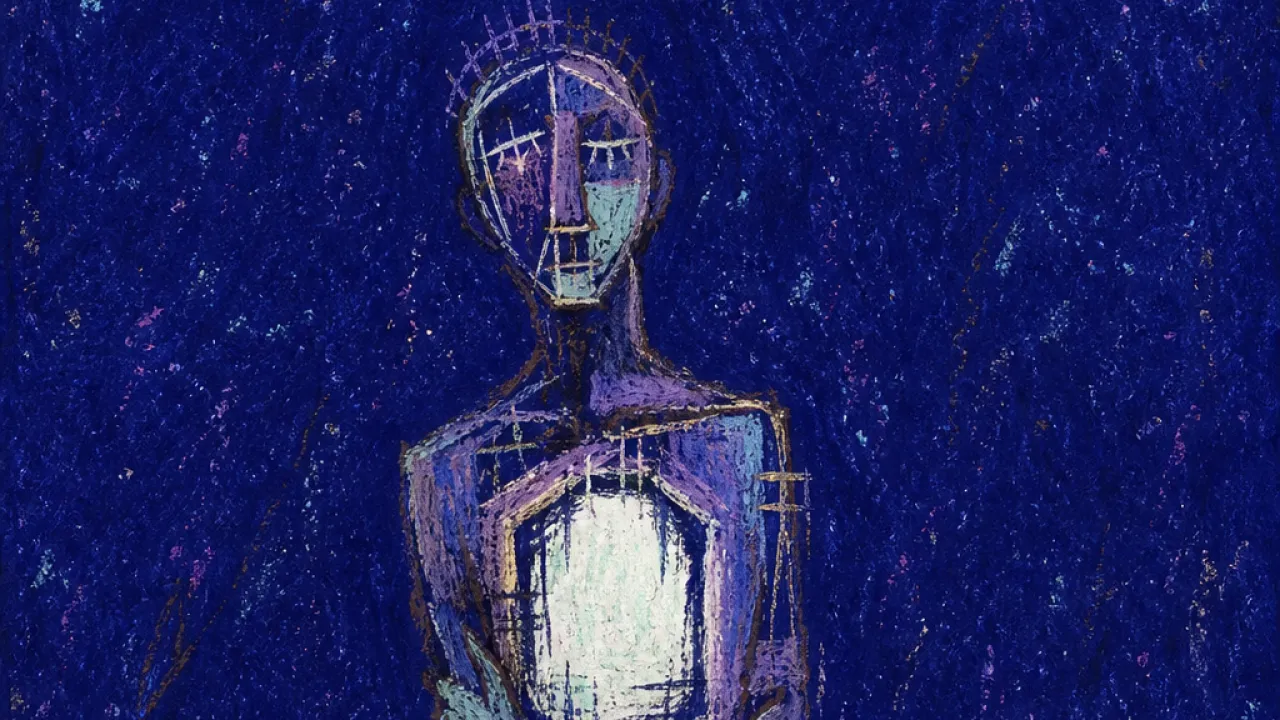
A solitary figure in deep indigo space, hollow chest lit by cold white glare while muted violet edges fade away

What does this feel like?

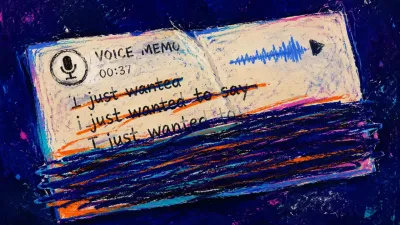
Performative Loneliness — you feel it first as a hollow place in your chest that somehow also feels lit up, like an empty room with a spotlight left on. You are alone, but you are also aware of how alone you look: the half-joke in a group chat, the late-night post that says just enough, the song screenshot, the typing bubble you let disappear. Your body carries a strange split, heavy in the ribs and too bright around the edges, as if the feeling needs an audience before it can be believed. You want someone to notice, but when someone does, your throat tightens and you make it smaller, softer, easier to scroll past. The loneliness is not only the absence of company; it is the exhausting sense of watching yourself be lonely, editing the ache into something acceptable, then feeling even farther away because the version people see is not the whole of you. It can make ordinary moments feel staged, your room too quiet after the screen goes dark, your chest still glowing with a signal no one quite knows how to answer, much like the two figures on the Five of Pentacles, visible beneath the stained-glass light and still outside the warmth.

Why you're feeling this?

Performative Loneliness is not fake; it can be the shape loneliness takes when being unseen feels too hard and asking plainly feels too exposed. Some part of you is trying to turn an invisible ache into a visible signal without handing over the whole wound.

Performative Loneliness in Tarot Cards

Performative loneliness carries that hollow chest under a spotlight: visible enough to be noticed, still distant enough to ache. The tight throat and glow-around-the-edges feeling make it a universal emotional experience of wanting contact without knowing how much of yourself to show. Tarot can hold that visible-but-unreached outline without turning it into a verdict. These are the Tarot Cards that mirror performative loneliness.

The Hermit
Reversed
A solitary figure stands on a bare summit, holding a lantern outward while keeping the rest of the body wrapped in a grey cloak. Reversed, the lantern becomes a monitored signal inside an isolation loop: you want its light to be noticed, but the possibility of someone approaching makes the cloak pull tighter. The reversal turns solitude from a chosen container into a feedback system of signalling and retreat. You can watch yourself being lonely, adjust how brightly the feeling appears, and then distrust the attention it attracts; the inner observer becomes an audience that never leaves, even when the phone goes dark.
Three of Cups
Reversed
Three friends lift their cups in a tight circle, their bodies forming a visible emblem of mutual celebration. Reversed, the shape of friendship remains easy to photograph and reproduce, but the emotional circulation inside the circle becomes unreliable; you can look woven into the group while feeling strangely absent from it. The reversal turns familiar friendship rituals into a stage for low-risk signals. You may make the sad joke, stay active in the group chat, or post an old photo hoping a close friend notices the subtext, then minimise it if they do. The loneliness persists because your friends are answering the social performance while the direct request for care remains unspoken.
Four of Cups
Upright
Sitting beneath a tree with folded arms, the solitary figure faces three cups while a fourth is offered from a cloud. The body is visibly closed, yet the offered cup keeps connection inside the frame, mirroring a daily rhythm in which you make loneliness noticeable and then contract when a real response enters the room. Upright, the scene gives that withdrawal a form you can witness without reducing it to attention-seeking. You may be using posts, playlists, or carefully timed silences to hold an emotional need at a manageable distance; the ache remains because being seen from afar and receiving direct contact are not the same exchange.
Ten of Cups
Reversed
Parents and children appear beneath a rainbow of ten cups, with the family home completing an idealised image of emotional belonging. Reversed, that recognisable family picture remains powerful while its internal warmth becomes inaccessible, creating a split between how connected the household appears and how alone you feel inside its roles. The reversal makes the family image harder to disturb than the loneliness is to express. You may post the celebration, play the easygoing child or dependable sibling, or turn disconnection into a harmless joke because direct need would challenge the system's preferred story. The visible family remains intact while the unedited experience has no recognised place within it.
Five of Pentacles
Upright
Two struggling figures move through snow beneath a glowing stained-glass window, fully visible in the coloured light yet still outside the warmth it implies. The scene makes exclusion public without completing the passage into shelter, closely mirroring the experience of broadcasting loneliness where a social circle can see it but does not know how to meet it. Upright, the figures keep moving together, allowing the loneliness to become observable rather than erased. You may leave a half-joke, a song screenshot, or a late-night post under the bright window of the group, but visibility alone does not cross the threshold; the ache remains because the signal is legible while the full request stays outside.
Two of Swords
Upright
Seated alone before the water, the blindfolded figure holds two swords in a precise cross while the crescent moon hangs above. The posture turns competing options into a controlled tableau: message honestly, post indirectly, or remain silent, with each route carrying a different risk of being seen. Upright, the crossed swords temporarily contain the tension rather than resolving it. You can watch yourself compose the ideal signal while the actual choice stays suspended, and that self-conscious pause becomes lonely in its own right because managing the appearance of need takes the place of choosing how much contact you truly want.
Seven of Swords
Upright
Holding five swords while looking back at the two left behind, the figure seems to review the emotional inventory even while moving away. The backward glance resembles the internal spectator that checks how loneliness is being presented, separating the shareable fragment from the part that feels too exposed to name. Upright, the selective act preserves control and makes the editing process visible enough to audit. You may notice that the feeling is being converted into an acceptable signal before you have privately met it in full; the resulting distance is not evidence that the loneliness is false, but that its presentation has begun competing with its experience.
Eight of Swords
Upright
Blindfolded and loosely bound, the figure stands inside a ring of swords with wet ground underfoot and a distant castle behind. The arrangement makes the constraint highly visible while obscuring the person's own view, echoing the inner bind of displaying loneliness clearly enough for others to notice while feeling unable to make a plain request from inside it. Upright, the image holds the bind still long enough for its structure to be seen. You may believe that silence means remaining unseen, indirect posting means being misunderstood, and direct asking means intolerable exposure; the loneliness then becomes a performance because every apparent exit is filtered through imagined observation.
Six of Wands
Reversed
The mounted figure carries a laurel-topped wand through an attentive crowd, placing private worth inside a public recognition ritual. Reversed, that crowd becomes an internal scoreboard: your loneliness can feel more legitimate when it draws a response and less trustworthy when the signal passes unnoticed. The reversal reveals a developmental gap between emotional reality and external proof. You may refine the performance until it earns acknowledgement, yet each successful reaction can reinforce the idea that a feeling only counts once it has an audience; the deeper loneliness comes from outsourcing self-recognition to a crowd that can see the display but not inhabit the experience.

Performative Loneliness in Tarot Card Reading Insights

For anyone who knows performative loneliness, the hollow chest under a spotlight can enter a reading before words catch up. Others have brought that visible-but-unreached feeling into the cards too. Tarot Reading Insights from related readings are collected below.

Posting Pain for Belonging: Choosing an Audience That Can Respond

Posting Pain for Belonging: Choosing an Audience That Can Respond

Topic:Social Tarot Reading

Struggle:Visibility-Connection Split

Context:Care Reciprocity Test

Vagueposting Instead of Healing: From Viewer Checks to Direct Support

Vagueposting Instead of Healing: From Viewer Checks to Direct Support

Topic:Social Tarot Reading

Struggle:All-or-Nothing Belonging

Context:Direct Communication Trial

A Smiling Photo and an Unfinished Talk Lead to One Honest Ask

A Smiling Photo and an Unfinished Talk Lead to One Honest Ask

Topic:Love Tarot Reading

Struggle:Performative Harmony

Context:Unspoken Expectations Gap

Sending a $35 Budget Limit: From Automatic Yes to Testing Reciprocity

Sending a $35 Budget Limit: From Automatic Yes to Testing Reciprocity

Topic:Introspection Tarot Reading

Struggle:Belonging-Authenticity Split

Context:Unspoken Social Rules

Sending One Preference: From 'Whatever Works' to Equal Space

Sending One Preference: From 'Whatever Works' to Equal Space

Topic:Friendship Tarot Reading

Struggle:Reciprocity Deficit

Context:Main Character Friend Dynamic

Hyperconnected Loneliness on Friday Night—And One Honest Thread

Hyperconnected Loneliness on Friday Night—And One Honest Thread

Topic:Social Tarot Reading

Struggle:Reciprocity Deficit

Context:Performative Intimacy Circle

The Victoria Line Proof Hunt: Choosing Reciprocity Over Fitting In

The Victoria Line Proof Hunt: Choosing Reciprocity Over Fitting In

Topic:Social Tarot Reading

Struggle:Belonging-Authenticity Split

Context:Post-Party Social Drain

From the Friday Invite Spiral to a Weekend with One Quiet Block

From the Friday Invite Spiral to a Weekend with One Quiet Block

Topic:Lifestyle Tarot Reading

Struggle:Productivity Shame Bind

Context:Group Chat Momentum

When 'You Okay?' Meets 'lol I'm fine': Letting One True Sentence Stay

When 'You Okay?' Meets 'lol I'm fine': Letting One True Sentence Stay

Topic:Friendship Tarot Reading

Struggle:Support Access Split

Context:Emotional Suppression Culture

Always the Group Photographer? What Happens When You Stay in the Frame

Always the Group Photographer? What Happens When You Stay in the Frame

Topic:Personal Growth Tarot Reading

Struggle:Inherited Role Lock

Context:Soft Exclusion

Opening Up, Getting Advice, Then Asking for Listening First

Opening Up, Getting Advice, Then Asking for Listening First

Topic:Introspection Tarot Reading

Struggle:Support Access Split

Context:Direct Communication Trial

When

When "You Okay?" Feels Like Exposure: One Honest Sentence Before Humor

Topic:Introspection Tarot Reading

Struggle:Emotional Secrecy Spiral

Context:Care Reciprocity Test

Psychological Emtions Related to Performative Loneliness