Guarded, But Still Reaching?

Explore the guarded ache of Defensive Loneliness through related tarot cards and tarot card reading insights from similar readings.

Defensive Loneliness
What does this feel like?

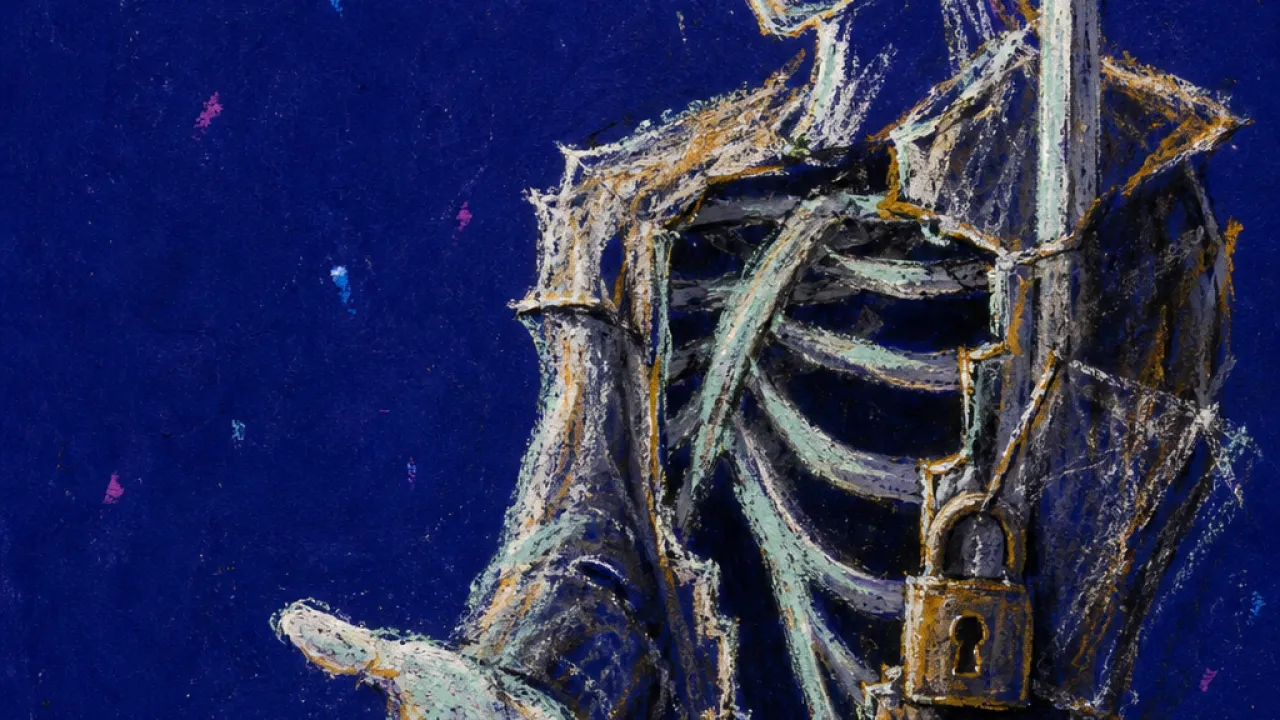
Defensive Loneliness — you can be in the middle of a conversation and still feel your body quietly take up guard duty. Your jaw sets before you mean it to, your shoulders lift, your ribs tighten like a small gate closing around your breath, and even when your hands are empty they feel full, as if one of them is already holding a blade and the other is trying not to reach too far. You want to be met, but every word has to pass through a checkpoint first: is this safe, will I be misunderstood, do I need to explain myself, should I pull back before I lose the ground under me? The loneliness is strange because it does not always look like isolation; you can be replying to a text, sitting beside someone, laughing in a group chat, or keeping your day together, while inside there is a narrow strip of defended space no one else seems able to stand on with you. Warmth gets close and then thins out at the edge of your boundary. You may hear yourself sounding sharper, quieter, more careful than you feel, and afterward there is that hollow ache of being protected but not exactly held. Defensive Loneliness feels like standing inside a room you built to keep your tenderness intact, wanting someone to enter carefully, much like the Queen of Swords, one hand extended while the upright sword and stone throne keep her safely, painfully apart.

Why you're feeling this?

Defensive Loneliness is a reasonable feeling when closeness and protection are both asking for space inside you. Needing a boundary does not make you cold, and wanting to be reached does not make that boundary false. The ache is the cost of being safe enough to stay, but not open enough to fully receive.

Defensive Loneliness in Tarot Cards

That guarded ache in Defensive Loneliness has a physical shape: the jaw set, the shoulders lifted, the ribs tightening like a small gate around the breath. This is a universal emotional experience, especially when protection and contact occupy the same inner room. Tarot can hold the outline without turning it into a lesson. Here are the Tarot Cards that mirror Defensive Loneliness.

Page of Swords Reversed
The Page is alone on the ridge, both hands occupied by the sword, with no companion close enough to share the exposed ground. The blade provides structure, but it also keeps the body organized around defense rather than contact. In love, this image becomes the loneliness of being protected and isolated at the same time. You may want to be met, understood, or held in a conversation, while another part of you keeps both hands on the inner weapon that prevents full access. Defensive Loneliness is not simple solitude; it is the ache of standing watch inside a relationship. The Page of Swords shows how self-protection can preserve dignity while also making intimacy feel strangely far away, even when the other person is emotionally important.
Knight of Swords Reversed
A single armored rider crosses open wilderness with no visible companion beside him. The horse, reins, armor, and sword create a sealed moving unit, protected but also separated from the field it is cutting through. That image becomes Defensive Loneliness when a friendship boundary makes you feel like the only person willing to hold the line. You may still be surrounded by a group, history, and shared jokes, yet internally you feel alone inside the role of the clear one, the difficult one, or the one who names what others avoid. The reversed Knight of Swords gives this loneliness its hard shell. It is not simple isolation; it is the specific ache of needing protection inside a relationship that once felt like protection itself.
Queen of Swords Upright
The sword held close to the throne and the outward hand create a visible perimeter around the Queen. Her elevation above the clouds gives her space, but it also places the body apart from the living ground, with no other figure close enough to share the air. This is the social weather of wanting connection without wanting uncontrolled access. You may keep the boundary because it works, yet the same perimeter that keeps mismatched circles out can also make belonging feel distant, expensive, and difficult to receive.
Reversed
The Queen's hand reaches outward, but her face stays sealed and the sword remains upright between body and world. The throne fixes her in a narrow silhouette, giving her height without giving her much room at the level where contact would happen. That visual contradiction creates a loneliness built from protection. You may want access to your inner softness, but the system has learned to meet even private feeling with a guarded blade. Defensive Loneliness belongs here because the isolation is not empty; it is armored. The card reflects the private ache of being alone inside your own boundaries, aware that the defense once helped but now keeps tenderness at a distance.
King of Swords Reversed
The throne functions like a stone island, lifting the king above the surrounding ground while leaving him exposed under a wide sky. The posture is protected and visible at once, with no nearby figure to share the field. In friendship, this is the loneliness that comes from making yourself unreachable because being reachable has become too expensive. The distance may feel necessary, but the card shows how protection can create a private climate that no one else can enter. Defensive Loneliness is not simply wanting space. It is the inner weather of needing a wall so badly that the wall starts to feel like the only stable companion.
Seven of Wands Upright
One figure stands high on the ridge while six staffs rise from below, and the people holding them are hidden outside the frame. The card gives the body a strange kind of visibility: You are seen as the one who must respond, while the sources of pressure stay faceless and multiplied. That visual isolation becomes Defensive Loneliness when inner work turns into a private standoff. The wand in your hands is not just a weapon; it is the line that keeps your internal boundary from being overrun by old reactions, self-criticism, and unprocessed emotional noise. The higher ground offers perspective, but it does not offer company. This emotion names the feeling of being clear enough to defend yourself, yet alone inside the defense, as if every part of your inner world is asking for a response at the same time.
Reversed
The central figure has no visible ally beside him; only anonymous wands rise from below. The high ground gives separation, but it also leaves the body alone with the entire field of pressure. Defensive Loneliness is the feeling of protecting your growth process without a witness who understands its cost. In this card, the boundary that keeps your direction intact also creates the quiet ache of standing apart from people, habits, or expectations that cannot meet you where you are trying to go.
Nine of Wands Upright
The figure stands alone in front of the gap, turning his own body and wand into the missing part of the fence. The hills behind the barrier remain distant, while the foreground belongs to a single person keeping watch. In a career context, that isolation can feel like being the only one protecting the team, the project, or your own credibility. You may look reliable from the outside, but inside the role feels narrow because no one else is standing at the breach with you. Defensive Loneliness belongs to the Nine of Wands because the boundary is real, yet the burden of maintaining it has become private. The card gives shape to the quiet ache of being needed more for your guard than for your whole self.
Reversed
The line of wands protects the figure, but it also separates him from the living hills behind it. The staff held at the chest adds another layer of distance, turning support into a shield and the body into the final piece of the wall. In introspection, that visual structure becomes the loneliness of being sealed inside your own defenses. You may understand why the inner wall exists, yet the same wall can keep relief, tenderness, and honest self-contact just outside reach. Defensive Loneliness belongs to the reversed Nine of Wands because the card shows isolation created by protection that never clocks out. The emotion is not simple solitude; it is the ache of realizing that what kept you intact may also be limiting what can reach you now.

Defensive Loneliness in Tarot Card Reading Insights

Defensive Loneliness can feel like wanting someone to enter carefully while your body stays braced at the boundary. Others have brought that guarded ache into readings, moving from the card images into the texture of being protected and unreached. Tarot Reading Insights on Defensive Loneliness.

Psychological emtions related to Defensive Loneliness