Accountable, But Not Empowered

A clear look at workplace accountability without control, with relevant tarot cards and tarot reading insights from sessions.

Responsibility Without Authority
What is this situation?

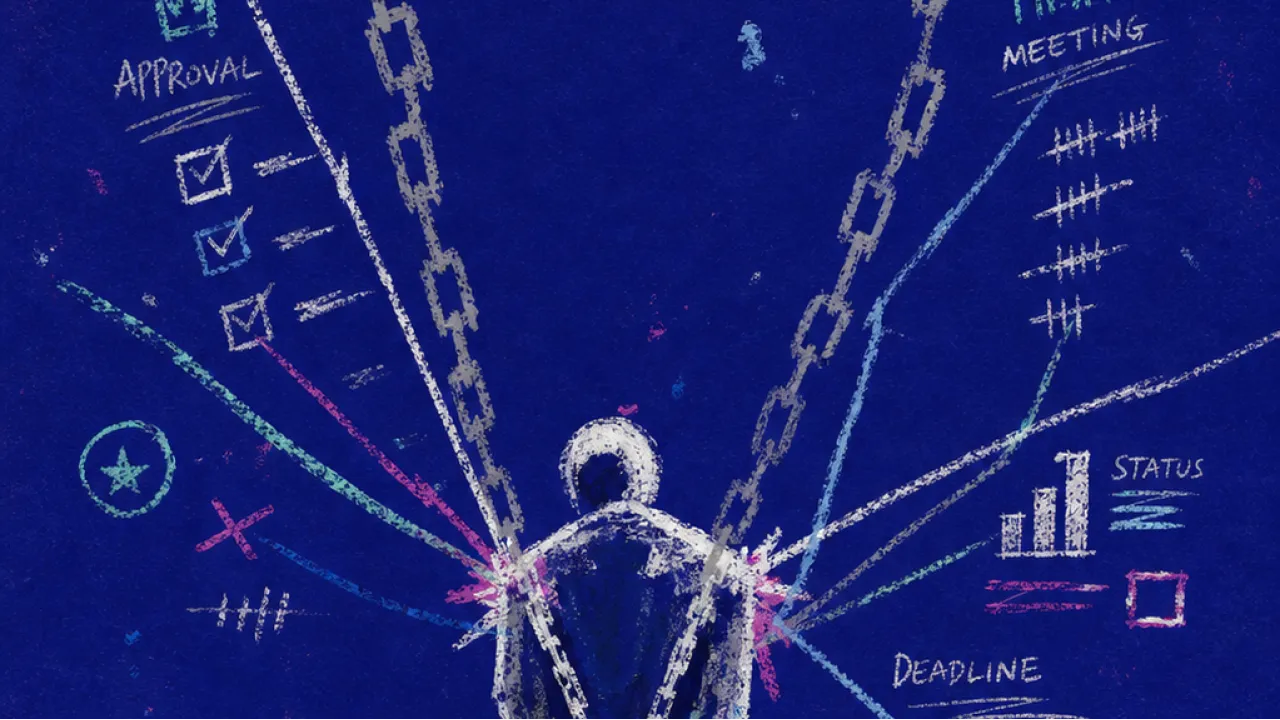
Responsibility Without Authority — you get pulled into the meeting as the “owner,” the “lead,” or the “point person,” and the title sounds official until the work actually starts moving. The deadline has already been promised by someone above you, the budget sits with another department, the people you need do not report to you, and every decision has to travel through a manager, stakeholder, or approval chain before anything can change. You spend your day chasing replies in Slack, writing status updates, smoothing over missed handoffs, and translating vague executive direction into tasks that other teams may or may not treat as urgent. When the project slips, your name is on the tracker; when the scope grows, you are asked to “keep things aligned”; when a tradeoff needs to be made, the room looks past you toward the person who still holds the final call. The power dynamic is quiet but constant: responsibility travels down to your calendar, your inbox, your reputation, while authority stays somewhere higher, safer, and harder to reach. So your shoulders tighten before every check-in, your jaw locks while you ask for the same decision again, and your workday becomes a loop of holding the problem together with timing, diplomacy, and personal endurance instead of usable control. By the end, the exhausting part is not only the workload; it is being made visible as accountable while your hands are kept away from the levers, much like The Hanged Man, suspended in plain sight with his hands bound behind his back and his whole body made to carry a position he cannot freely change.

Why it's not you?

The issue is not that you are failing to step up; the role has been designed with accountability separated from usable power. Deadlines without decision rights, ownership without staffing control, and visibility without protection are structural conditions, not personal shortcomings. This kind of setup creates pressure because the organization asks you to carry outcomes while withholding the tools that would make that responsibility fair.

Responsibility Without Authority in Tarot Cards

Responsibility Without Authority is the workplace setup where the project lands on your name while the levers sit above, beside, or completely outside your role. The tight shoulders, clenched jaw, and constant tab-switching are not random stress signals; they come from being asked to move a system your hands are not allowed to steer. This is an environmental, structural dynamic: accountability is assigned downward while authority remains distributed elsewhere. The Tarot Cards below mirror the shape of that mismatch, from visible burden to restricted movement to authority kept just out of reach.

Strength Reversed
No cage, leash, or protective barrier supports the woman; the whole scene depends on her hands, timing, and nerve. She is positioned close enough to the lion to be responsible for the outcome, but the image gives her no external tool that would make that responsibility structurally fair. That is the career trap of being accountable for people, deadlines, or outcomes without real authority over resources or decisions. You are asked to contain the lion while the organization withholds the levers that would make containment sustainable.
The Hermit Reversed
The elder carries the lamp that guides the scene and the staff that stabilizes his position, but he stands alone with no visible institution behind him. The tools imply responsibility, while the landscape offers no shared structure to back it. Responsibility without authority appears when a workplace expects you to hold clarity, continuity, or direction without granting the formal power to move people or resources. The card makes that imbalance visible: the role carries the light, but the system has not built the platform around it.
Wheel of Fortune Reversed
The lower figure bears against the wheel from underneath while the sphinx occupies the top with the blade. The image separates load from control: one position keeps the mechanism moving, while another position defines its direction. At work, that structure mirrors being accountable for delivery, coordination, or team outcomes without the authority to set priorities or access resources. You are not just busy; you are carrying a role design where responsibility travels downward and decision power stays above.
The Hanged Man Reversed
The figure's whole body is on display, yet the hands are hidden and unusable behind the back. The ankle is tied to the beam, so the body carries the consequences of the position without access to ordinary movement or control. That is the exact shape of responsibility without authority at work. You may be accountable for outcomes, deadlines, team morale, or client expectations while the budget, staffing, decisions, or escalation rights sit somewhere else in the hierarchy. The Hanged Man connects to this context because the restriction is visible and structural. It shows the difference between meaningful responsibility and a role that turns accountability into suspension, where your body is made to hold a problem your hands are not allowed to solve.
Temperance Reversed
Both cups are in the figure’s hands, and the flow exists only because the figure keeps it moving. There is no separate mechanism carrying the exchange, no support structure taking over the balance, and no release from the middle position. That visual pressure fits a workplace where you are accountable for coordination, delivery, morale, or cross-functional alignment without the formal power to change priorities, allocate resources, or enforce decisions. The role asks for outcomes while withholding the levers that make those outcomes structurally possible. The split footing sharpens the bind. You are expected to stand in two domains at once, but neither domain fully belongs to you; the card exposes how exhausting it becomes when responsibility is assigned as a burden rather than matched with authority.
Ace of Cups Reversed
The hand supports the chalice from the side, but the cup occupies the center and receives the visible offering. The structure depends on a holder who has no full body, no platform, and no clear claim to the status of what is being held. That is the workplace shape of responsibility without authority. You can be expected to steady the project, protect the team tone, carry the client relationship, or keep the process moving while the formal power, credit, or decision rights sit elsewhere. The reversed Ace of Cups sharpens the mismatch between care and control. The flow keeps moving through you, but the system has not given you the boundaries or authority needed to decide how much can be received, redirected, or refused.
Two of Cups Reversed
The matching cup height can display equality while the bodies still carry different kinds of load. In a career setting, that becomes the familiar structure where someone is treated as a partner in accountability but not as a partner in authority. The staff between the figures makes the relationship answerable to a larger system. Decisions, approvals, budgets, and status may sit above or between the people who are expected to make the work function. You are being shown a mismatch between outcome ownership and actual control. The card clarifies why effort alone cannot fix a structure that gives you the burden of coordination without the levers required to move the system.
King of Cups Reversed
The scepter looks official, but the throne has no land beneath it. The King holds the symbols of responsibility while the surrounding sea keeps the whole structure physically unanchored. That becomes a workplace setup where you are expected to stabilize outcomes without the levers that would make the responsibility real. You may be carrying conflict, deadlines, or team expectations while the actual authority sits elsewhere or remains undefined.
Two of Pentacles Reversed
The figure's high hat and magician-like belt suggest a performance of control, yet the scene offers only two coins, one cord, and a shifting sea. The apparatus is too limited for the level of mastery being displayed. That is the visual logic of responsibility without authority: the workplace expects outcomes, coordination, and composure while withholding the tools, decision rights, or protection that would make the responsibility real. You are being measured by the motion of the coins, but the card shows how much of the system is outside your command.
Three of Pentacles Reversed
The hammer is in the worker's hand, but the blueprint sits with someone else. The body doing the visible execution is separated from the document that defines the standards, sequence, and final shape of the work. That split is the core of Responsibility Without Authority. You can be held accountable for the outcome while the real levers sit with a manager, stakeholder, or decision layer that controls scope and approval. The card gives the imbalance a physical shape: labor exposed on the platform, authority protected by the plan.
Ace of Swords Reversed
The hand carries the sword, but the crown remains at the blade’s tip rather than resting on the hand. That visual separation is the core of this career context: you are close to authority, touching its outcomes, but not actually given the authority itself. The isolated hand matters because there is no body, throne, team, or formal base supporting the action. The card shows the burden of decisive work without the visible infrastructure that would normally legitimize those decisions. This context fits a role where you are expected to make calls, absorb consequences, and keep standards sharp while someone else retains the title, budget, or final approval. The pressure is not that you lack capability; it is that the workplace has placed a sword in your hand without giving you the crown that makes the cut legitimate.
Eight of Swords Upright
The woman is upright, dressed in red, and still capable of standing, yet her hands are tied behind her back. The body is asked to hold its position in a field of blades while the tools for action are removed. That is the reality of responsibility without authority, where work continues to land on you while decision rights, access, and leverage sit elsewhere. The image makes the unfair load visible without turning it into personal weakness; the problem is the mismatch between accountability and usable power.
Page of Swords Reversed
The page holds the sword with both hands as if the whole field depends on his alertness, yet he remains visibly junior and lightly equipped. The image carries a mismatch between the seriousness of the duty and the amount of institutional weight behind the person holding it. Responsibility without authority shows up at work when outcomes land on you but decision rights stay elsewhere. You are placed on the ridge, expected to notice risks and defend the project, while the structure withholds the title, budget, or backing that would make the responsibility proportionate.
Ace of Wands Reversed
The hand grips the wand with force, yet the wand itself is only a symbol unless the surrounding world recognizes and supports it. The castle sits away from the hand, marking the separation between visible mandate and institutional power. That separation becomes responsibility without authority in a career setting. You may be made accountable for a result, client, team, launch, or cross-functional problem while the actual levers remain somewhere else: budget, staffing, approvals, policy, or senior backing. The reversed pressure is not that you lack drive. It is that the workplace gives you the object to hold while keeping the structure of power at a distance, making your ownership visible and your control incomplete.
Two of Wands Reversed
The figure holds a world-sized object while one wand is fixed to the wall and the lived terrain remains far below. Scope is visible everywhere, but the tools for direct action are split between hand, wall, and distance. At work, that structure maps onto being accountable for outcomes while key permissions, resources, or decisions sit elsewhere. You carry the map of the territory, but the system has not given you matching control over the territory itself.
Five of Wands Reversed
The scene has motion but no referee, no shared center, and no visible decision-maker. Everyone is active, yet no movement resolves because the wands collide without a governing structure. That visual logic fits the career problem of being made responsible for outcomes without being given the authority to align people. You may be asked to coordinate the project, calm the conflict, or deliver the result, while the actual power to make tradeoffs remains scattered across other hands. The reversed texture of this card is not mere busyness. It shows a system that transfers accountability downward while withholding decision rights, leaving you to absorb friction that the structure itself has failed to organize.
Six of Wands Reversed
The rider holds the most visible wand, but five other wands around him are held by people whose hands disappear into the crowd. The scene gives him the public standard while the wider field of power remains distributed and partly hidden. That is the workplace structure of responsibility without authority. You may be named lead, owner, manager, or point person, yet the budget, staffing, deadlines, approvals, or final decisions sit somewhere else. Six of Wands reversed exposes the difference between being displayed as accountable and being equipped to act. The card helps you audit where the ceremony of leadership has been handed to you without the levers that make leadership operational.
Seven of Wands Reversed
One wand has to answer six, and the figure's feet are split across unstable ground near the edge. The image shows responsibility concentrated in one body while the pressure field remains larger than the tools available. That is the career structure of Responsibility Without Authority. You may be held accountable for delivery, alignment, morale, or outcomes, while the actual levers of budget, staffing, decision rights, or executive backing sit somewhere else. The card's reversed logic makes the imbalance visible. You are not simply struggling with workload; you are being placed on the high ground of accountability without enough structural support to control what is coming at you.
Eight of Wands Reversed
The wands move with force, but the picture contains no hand that can change their course. Direction exists without an identifiable agent, and the landing point is implied rather than governed. That arrangement mirrors the workplace structure where outcomes are assigned to you while the actual levers remain elsewhere. You may be carrying delivery pressure, stakeholder expectations, or performance metrics without the authority to set timelines, allocate resources, or change direction.
Nine of Wands Reversed
The figure is central to the wall's function, but he is not on a throne, platform, or command post. He is standing on the same flat ground as the defensive structure, using his own body to cover the gap. That is the workplace shape of responsibility without authority. The person is accountable for the outcome, the client, the team mood, or the operational risk, while the actual decision rights, staffing power, budget control, or title remain elsewhere. The structure depends on them without formally empowering them. You are shown why this context feels so draining: the job asks for ownership while withholding control. The card turns that pressure into a map, making it possible to separate what you can genuinely own from what the organization has placed on you without giving you the levers to change it.
Ten of Wands Upright
The entire bundle is in one person’s arms, and there is no visible mechanism for delegation, exchange, or shared control. The figure is responsible for the delivery, yet the image gives him no tools besides bodily endurance. That is the workplace shape of responsibility without authority. You are made accountable for outcomes while the power to change scope, resources, staffing, or timelines sits somewhere else. The burden is real, but the control system is missing from your hands. The Ten of Wands makes this imbalance concrete by showing labor without leverage. It turns a vague sense of being used into a visible structure: the load has been assigned, but the authority to redesign the load has not been granted.
Reversed
The load dictates the figure's posture more than the figure dictates the load. Both arms are locked around the bundle, and no free hand remains for adjusting terms, asking for support, or reshaping the route. That is responsibility without authority inside a decision. You may be expected to deliver an outcome, protect other people's comfort, or absorb the consequences, while the actual power to change scope, timing, resources, or rules sits elsewhere. The Ten of Wands makes that imbalance visible. The decision is not only about what you prefer; it is about whether you are being asked to own a result while being denied the authority required to carry it well.
Page of Wands Reversed
The young messenger holds the wand upright and speaks for the court, but the image still marks him as a page rather than the source of the decree. That gap between visible responsibility and actual control is the core career pressure: carrying a message, rollout, or decision that belongs to someone above you. The barren space around him removes the usual signs of backup. You may be expected to represent a strategy, calm stakeholders, or enforce priorities without the title, budget, or decision rights that would make the assignment structurally fair.
King of Wands Reversed
The seated figure holds the only wand that reaches the ground, while the surrounding field offers no second tool, road, or shared control point. Action exists in the image, but it is concentrated through a single holder of authority. In career terms, this maps to being accountable for delivery while the actual levers remain elsewhere. You may own the outcome in meetings, updates, or performance reviews, yet still lack the decision rights to change scope, timing, budget, or staffing. The card links this context to a structural mismatch rather than a personal weakness. The pressure comes from being made visible as responsible while the power to alter the field remains locked above or outside your role.

Responsibility Without Authority in Tarot Card Reading Insights

Responsibility Without Authority does not stay abstract when people bring it into readings; it shows up as the project you own but cannot fully direct, the decision you answer for but did not get to make. These readings shift from the cards themselves into how others have named that same workplace bind. Tarot Reading Insights from sessions that sit with this specific career pressure.

Psychological contexts related to Responsibility Without Authority