Volunteered Before You Answer

Explore the pressure of being assigned tasks in a group chat, with related tarot cards and tarot reading insights.

Group Chat Voluntolding
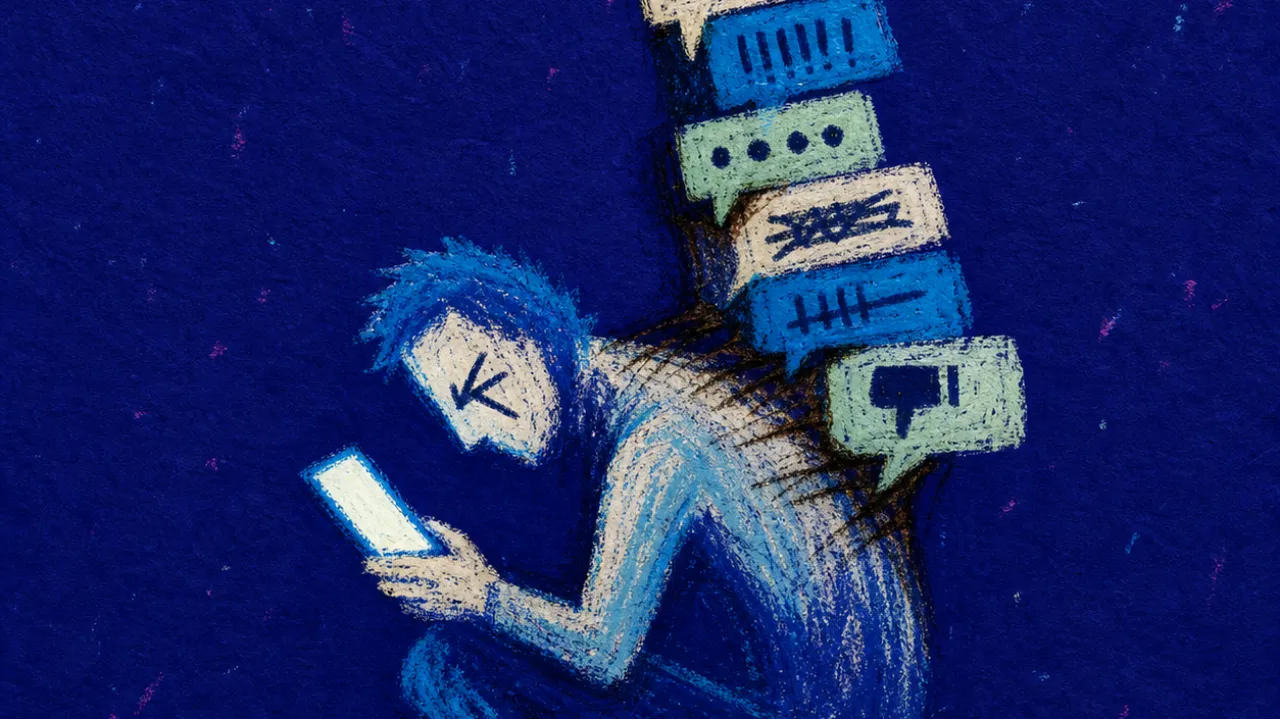
A hunched figure holding a glowing phone as tagged messages stack across their shoulders in deep indigo space

What is this situation?

Group Chat Voluntolding — you open your phone after a class, shift, meeting, or night out, and the thread has already moved without you: someone has tagged you, decided you can book the table, bring the extra supplies, cover the awkward message, make the spreadsheet, organize the ride, or “just handle it because you’re good at this stuff.” No one asks directly in a private message where you could think, check your schedule, or say no without an audience; instead, the request is dropped into the group where everyone can see it, react to it, and quietly treat your silence as agreement. The person assigning it may add a laughing emoji, a “you’re the best,” or a quick “hope that’s cool,” but the work has already been placed in your lap before you have chosen it. If you push back, the thread can go still, someone can make a joke about you being dramatic, or the whole plan suddenly depends on whether you are willing to be the inconvenient one. So you stare at the typing bar, thumb hovering, shoulders tightening, doing the quick math of time, money, effort, and social fallout while the notifications keep stacking. The exhausting part is not only the task itself; it is being publicly drafted into responsibility and then expected to make refusal look effortless, much like the figure on the Ten of Wands, bent forward under a bundle that has become his to carry before he reaches the town.

Why it's not you?

The problem is not that you are bad at setting boundaries or that you care too much about what people think. Group Chat Voluntolding turns a request into a public assignment before you have had a clean chance to choose. That pressure belongs to the setup: visible tags, group reactions, assumed availability, and the social cost of saying no in front of everyone.

Group Chat Voluntolding in Tarot Cards

In Group Chat Voluntolding, the pressure comes through a bright little screen: people assign your time in front of everyone, and the request lands before you've answered. The shoulder tension and hovering thumb are part of how this situation reaches the body. It is an environmental and structural dynamic, not a private failure of boundaries, because the group setting turns a request into a public expectation. The Tarot Cards below reflect the shape of that pressure without telling you what you have to do next.

Three of Pentacles
Reversed
Turned upside down, the three people at the cathedral no longer appear securely organised around the craft, plan, and division of roles. The visual imbalance mirrors a class project chat where everyone can discuss the outcome, but one student is publicly assigned the document, scheduling, materials, editing, or submission work before responsibilities are negotiated. The building and blueprint remain in the scene, preserving the possibility of a real shared project while exposing its current process failure. For you, the academic cost appears when coordination labour consumes the time meant for research, practice, or assessed contribution and then disappears inside the group’s final product.
Six of Pentacles
Reversed
Turned upside down, the merchant’s scales, the coins leaving one hand, and the two kneeling recipients expose an exchange controlled by whoever gets to define what counts as fair. In a group chat, praise such as “you’re the best” can function like a token payment while the real contribution of time, money, access, or emotional effort flows in one direction. The resources remain visible, which allows the reversal to identify the imbalance rather than reduce it to personal generosity. You experience the structure when a favour becomes an assumed role and the group decides the value of your contribution without giving you equal control over whether, when, or how it is supplied.
Five of Swords
Upright
The central figure keeps the swords while two people withdraw across the exposed ground, turning a shared encounter into a result with one visible victor and two socially displaced participants. That image mirrors a friend thread where someone protects the plan through mockery, guilt, or a strategic silence that leaves the person saying no feeling responsible for the group’s discomfort. The conflict is fully visible in the upright scene, which prevents the fallout from being mistaken for ordinary friendship banter. You encounter a no-win friendship structure when doing the task produces resentment but declining it threatens belonging, allowing the group to retain the benefit whichever cost you absorb.
Eight of Swords
Upright
The blindfolded figure stands loosely bound between eight swords, with wet ground underfoot and a distant structure behind her. The scene externalises a choice that technically exists but is hard to see from inside the setup: you can refuse the assignment, yet the public tag, accumulating reactions, and possibility of group backlash make the available space feel much narrower. The swords do not form a sealed wall, and the bindings leave movement imaginable, giving the upright image a distinction between real pressure and total impossibility. For you, that distinction reveals how the group has inflated the social price of one option; silence, compliance, delay, and refusal are still different choices even when the chat has tried to frame only one of them as acceptable.
Seven of Wands
Upright
The standing figure meets six incoming wands alone, and the mismatched footwear suggests he was required to take a position before he was fully prepared. The scene mirrors the friend who opens a chat to discover that a booking, ride, purchase, or difficult message has already been attached to their name and socially endorsed. The upright elevation gives the figure enough ground to remain visible within the conflict. For you, that ground consists of recognising that friendship does not make assumed availability neutral; the repeated need to defend capacity is evidence of a role expectation operating inside the support network.
Eight of Wands
Upright
Eight wands travel in parallel across an open sky, already in motion and approaching the ground before any human figure appears to receive them. The image closely matches a thread that has advanced during your class, shift, meeting, or night out: the tag has landed, reactions are accumulating, and the group begins treating elapsed response time as confirmation. The upright flight path is clear and the destination is near, creating momentum without proving consent. You encounter the timing problem when the group’s communication speed becomes a substitute for your decision speed; the plan may be moving quickly, but the motion of the thread does not establish your availability.
Ten of Wands
Upright
The carrier holds the entire bundle while the shared destination sits ahead without any other visible person helping with transport. That division captures a friend group enjoying the same dinner, trip, party, or night out while one dependable member is publicly drafted to book, message, buy, coordinate, and troubleshoot. The upright route indicates that the plan can still take shape, but the bent posture records how it is currently being produced. You encounter the friendship friction as a role problem: companionship is being paired with unpaid logistics, and the group’s warmth is being used to make that workload look voluntary.

Group Chat Voluntolding in Tarot Card Reading Insights

Group Chat Voluntolding is the kind of situation people bring into readings when a simple message thread has started deciding what their time is for. From there, the focus shifts from the cards themselves to what came up when others sat with this same public-pressure setup. Tarot Reading Insights from sessions are gathered below.

Psychological Contexts Related to Group Chat Voluntolding