What Did They Hear?
Explore this communication split through grounded struggle language, related tarot cards, and tarot reading insights from similar readings.

Intention-impact Split
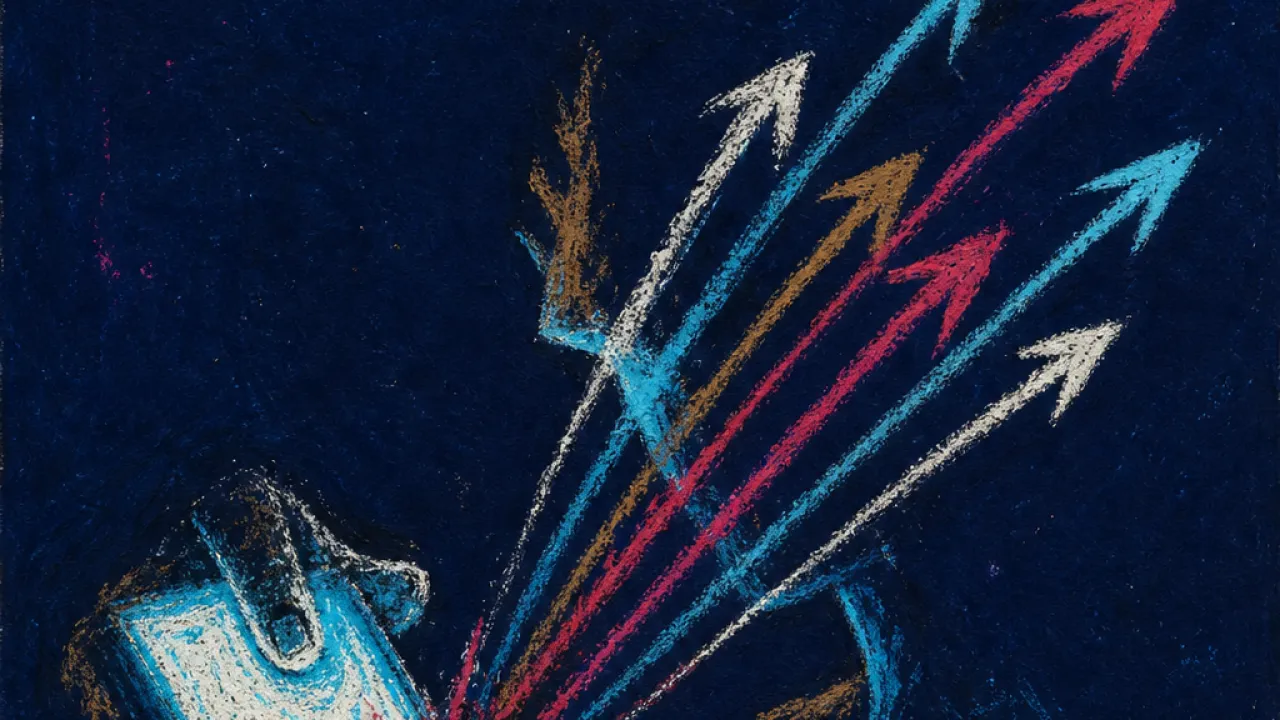
What does this feel like?
Intention-Impact Split — you are staring at a message you already sent, watching the three dots appear and disappear, and suddenly the sentence that felt simple five minutes ago looks sharp, careless, impossible to defend. Your thumb hovers over the screen like you might still be able to reach through time and soften the edges before they hit someone else. You know what you meant; you can feel the original intention in your body, the clean little spark before it became a text, a joke, a confession, an apology, a tone someone heard wrong or maybe heard too accurately. Then their reply lands, or their face changes, or the room goes quiet, and your chest tightens because now there are two versions of the same moment: the one inside you and the one that arrived in them. You start explaining, then overexplaining, then hearing yourself sound more guilty than you feel or more defensive than you want to be. Part of you wants to say, “Please judge me by what I meant,” and another part knows the impact is already in the room, sitting there like a glass that cracked even if you never meant to drop it. The hard part is not just being misunderstood; it is realizing that meaning does not stay yours once it leaves your mouth. It has to travel through timing, tone, old bruises, unread context, someone else’s nervous system, and the tiny delay between what was sent and what was received. So you get stuck in the open air between intention and arrival, trying to prove the arrow was aimed kindly while still having to look at where it landed, much like the Eight of Wands, where the motion is clear and direct, but no speaker, listener, or receiving hand appears in the frame to tell you what the message became on contact.
What's pulling at you?
You are caught between two things that both feel fair: wanting your meaning to be seen clearly, and needing to take seriously what actually landed for the other person. The stuck place is the gap between “I didn’t mean it that way” and “but that is how it felt when it reached them.” When those two truths compete, every response can start to feel like either self-defense or self-erasure.
How It Shows Up?
- You send a text that felt calm when you typed it, then watch the reply arrive colder than expected: “okay.” Your thumb freezes above the screen, your stomach drops, and you reread your own words until they stop looking like language and start looking like evidence against you. The space between send and receive feels wide, almost like a message flying through air with no landing point in sight. You can let yourself pause before rewriting your whole personality around one reply.
- You're talking with someone you care about, and halfway through your sentence their face changes, just a little. Your throat tightens, your shoulders lift, and you start explaining faster, trying to pull the words back before they harden into something you never meant. You hear yourself say, “That’s not what I meant,” but the room has already shifted. It is allowed to slow down there, even if the moment feels like it has already moved ahead of you.
- At work or in class, you make a direct comment because you want to be clear, and later someone tells you it came off blunt. Heat rises in your neck, your jaw locks, and you replay the meeting from every angle, trying to locate the exact second where clarity became impact. The more you mentally edit the scene, the less sure you feel about your own voice. You do not have to settle the entire meaning of the moment in one sitting.
- You're out with friends, joking the way everyone else is joking, and then the laugh around the table goes thin. Your chest pinches, your smile stays on a second too long, and you start scanning faces, trying to work out whether you crossed a line or simply hit a bruise you couldn't see. The air feels suddenly crowded, like too many meanings are standing in the same small room. It is okay to notice the shift without turning it into a verdict on who you are.
- Late at night, you lie in bed with your phone beside you, drafting an apology, deleting it, drafting it again. Your ribs feel tight, your hands are warm and restless, and every version sounds either too defensive or too guilty, as if there is no sentence that can carry both what you meant and what they felt. The silence on the screen starts to feel louder than the conversation itself. You can wait for a clearer sentence without forcing one out of panic.
Intention-impact Split in Tarot Cards
That moment when you know exactly what you meant, but your body still reacts to how it landed, is where Intention-Impact Split becomes visible. You can feel it in the tight ribs, the locked jaw, and the thumb hovering over a message you keep rewriting. From an existential perspective, the structural framework here is about living inside the gap between meaning sent and meaning received. These Tarot Cards trace the outline of that gap without flattening it into a simple answer.
Intention-impact Split in Tarot Card Reading Insights
When Intention-Impact Split shows up, people often bring the same stuck question into readings: what was meant, what was received, and what now sits between the two. The readings below move from the cards into the moments where texts, apologies, jokes, and confessions did not land cleanly. Tarot Reading Insights for this communication gap.

A Six-Paragraph Lesson Shrinks Into a Three-Sentence Repair Message
Topic:Introspection Tarot Reading
Struggle:Insight-Integration Gap
Context:Projected Mirror Loop

Why You Reread a Friend's Vaguepost, Then Separate Fact from Story
Topic:Friendship Tarot Reading
Struggle:Betrayal-Closure Lock
Context:Friendship Boundary Reset

A Thirty-Second Pause Turned a Verdict Into One Open Question
Topic:Social Tarot Reading
Struggle:Truth-Connection Split
Context:Toxic Positivity Culture

Three Apology Drafts: Separating What Landed From What You Saw
Topic:Social Tarot Reading
Struggle:Internal Authority Collapse
Context:Friendship Repair Trial

Calling Others Defensive After Hurt: Learning to Hold Truth and Care
Topic:Personal Growth Tarot Reading
Struggle:Inner Tribunal Lock
Context:Direct Communication Trial

Editing the Dealbreaker at 11:40 p.m.: From Exceptions to Action
Topic:Choice Tarot Reading
Struggle:Relational Boundary Drift
Context:Dealbreaker Reveal

Six-Paragraph Honesty Defense, Then Leading With One Acknowledgment
Topic:Personal Growth Tarot Reading
Struggle:Truth-Connection Split
Context:Friendship Repair Trial

Over-Explaining After Feedback: Naming the Impact, Testing One Change
Topic:Introspection Tarot Reading
Struggle:Clarity-Exposure Split
Context:Feedback Friction Window

Three Deleted Replies After a Fight, Then a Pause with a Return Time
Topic:Love Tarot Reading
Struggle:Relational Pacing Collapse

Calling It Honesty Hid the Anger: Keeping the Point, Checking Impact
Topic:Career Tarot Reading
Struggle:Power-Connection Split
Context:Harsh Honesty Fallout