Performing The Perfect Partner?

A clear audit of relationship performance anxiety, the tarot cards that mirror it, and reading insights tied to this pattern.

Relationship Performance Anxiety

A figure with one hand near their mouth and a thumb over an unsent message, coral light fractured by clinical blue

What is this really?

You treat dating or partnership like something you have to perform correctly: editing texts until they sound effortless, monitoring your face during conversations, timing your replies, and checking whether you are being warm, chill, attractive, honest, available, or not too available. Underneath, you are trying to make closeness feel less unpredictable. If you can find the right tone, the right amount of vulnerability, the right version of yourself, then maybe the connection will not suddenly tilt away from you. But the performance creates its own cognitive dissonance: the more carefully you manage the role, the harder it becomes to tell whether the relationship is meeting you or only responding to the version you have rehearsed, at the cost of boundary awareness and spontaneous closeness—much like the Six of Wands, where the rider is lifted by public approval while still exposed on display.

Why did it happen?

At some point, being easy to read, easy to like, or hard to disappoint may have helped you keep important bonds steady. Your body learned to study tiny shifts in tone, silence, and attention before your mind had words for what was happening. Now that inner pattern can run even when there is no immediate danger, leaving you emotionally drained from trying to manage a relationship while also being inside it.

How does it feel?

  • You reread a text three times, delete the soft sentence, add a joke, then hold your thumb over send while your shoulders creep up toward your ears. In that pause, your breath may get shallow and your stomach may feel like it is waiting for a grade; it is okay to let that signal be present before you decide what to send.
  • On a date, you laugh half a second faster than you naturally would, tilt your head like you are following a script, and keep checking whether your face looks warm enough. Afterward, your cheeks may feel tired and your jaw may ache from holding the right expression; that tiredness can simply be noticed without turning it into another test.
  • When they go quiet for a few hours, you open the chat, close it, reopen it, and scan the last message for a word that feels colder than usual. Your chest may tighten while your attention narrows onto the screen, as if everything else in the room has gone dim; uncertainty is allowed to exist without being solved immediately.
  • During a small disagreement, you soften your voice, nod quickly, and start explaining that you understand before you have checked what you actually feel. In the moment, your throat may feel crowded and your hands may go still in your lap; you can let the pause arrive before you translate yourself for someone else.
  • Alone after spending time together, you replay your tone, your outfit, your timing, and the exact moment you may have seemed too much or not enough. Your body may feel wired but drained, like you are still standing under bright lights after the room has gone empty; stepping out of the review loop for one breath is enough for now.

Relationship Performance Anxiety in Tarot Cards

The reflex to treat every text, pause, and facial expression like relationship data is the shape of Relationship Performance Anxiety. That shallow breath before you hit send, with your shoulders already rising, is where the pattern becomes visible in the body. From a Jungian perspective, archetypal theory can read this as the strain between the role you perform and the self that has not had room to speak. The Tarot Cards below reflect the unconscious dynamics behind that performance loop.

Justice
Upright
Justice sits squarely between two pillars, holding balanced scales in one hand and an upright sword in the other. The frontal symmetry creates an atmosphere of formal assessment, turning each piece of evidence into something that appears capable of producing a clear verdict. You may recreate that courtroom inside a date, measuring your tone, appearance, honesty, and availability as though the relationship were continually grading you. This evaluative stance is a safety behavior: it promises to prevent rejection through correct performance, yet it also diverts attention from whether the interaction is fair, reciprocal, and emotionally suitable for you.
Temperance
Reversed
The angel transfers liquid between two cups while standing with one foot in water and one on solid ground. In reversal, the same meticulous exchange becomes an image of overcorrection: balance is pursued through so many conscious adjustments that a naturally integrated response never has room to form. You may continually dilute or intensify your romantic expression, adding a joke after tenderness, delaying a warm reply, or softening a boundary so that nothing appears excessive. The performance is an attempt to regulate uncertainty, but the repeated calibration disconnects you from the internal signal that could tell you what proportion of closeness actually feels right.
The Moon
Upright
The moon casts uncertain light over a path between two towers while a dog and a wolf react from opposite sides and something less familiar rises from the water. The image separates what is socially conditioned, what is instinctive, and what has not yet been clearly recognised, without giving any one signal complete authority. You may struggle to tell whether tension after a romantic interaction reflects a real boundary, fear of disapproval, or exhaustion from maintaining the correct expression. The internal audit fills that ambiguity with performance forecasts, so the question of how you appeared arrives before the quieter question of what you actually felt.
Two of Pentacles
Upright
Two pentacles move inside a continuous green loop while ships rise and fall on steep waves behind the juggler. The image turns constant adjustment into a bodily task: attention stays occupied keeping every variable in motion, even though the surrounding instability cannot be controlled. You may carry that same juggling act through meals, work, sleep, and downtime as you revise messages, estimate the right delay, and monitor whether your availability looks balanced. Relationship management becomes a second daily workload, so the apparent flexibility of the performance conceals how little undivided attention remains for your physical life.
Four of Pentacles
Upright
The seated figure clamps one pentacle over the chest, balances another above the head, and pins two more beneath both feet while the city remains at a distance. The whole body is recruited into holding position, making control look protective but physically restrictive. You may hold your natural reactions just as tightly when closeness begins to matter, controlling your face, voice, disclosure, and response time to reduce the risk of being misread. This guarded performance can preserve a sense of composure, but it also makes your boundaries difficult to distinguish from fear-based withholding and gives the relationship little access to unedited contact.
Eight of Pentacles
Upright
A craftsperson bends over one pentacle with a tool while a sequence of completed pieces hangs nearby and the town sits in the distance. Concentration, repetition, and technical refinement dominate the scene, as though improvement depends on inspecting each result and correcting the next attempt. You may approach dating in the same workshop mode, reviewing every conversation and polishing the next text, outfit, facial expression, or disclosure. Rehearsal becomes a cognitive safety behavior that promises mastery over relational unpredictability, but it can turn connection into an endless skills test whose standard is never conclusively met.
Two of Swords
Upright
A blindfolded figure crosses two swords tightly over the chest while a rocky sea and crescent moon remain behind the defensive posture. The blades hold competing possibilities in suspension, and the covered eyes prevent direct contact with information that might complicate the attempted balance. You may freeze between sending the warm sentence and deleting it, naming a need and softening it, or replying naturally and waiting to seem less available. The stalemate is not a lack of feeling; it is the result of too many performance rules competing for control while access to your own preference is temporarily blocked.
Seven of Swords
Upright
The figure departs with five carefully gathered swords while two remain behind, and the backward glance keeps attention tied to the camp's possible reaction. The image captures adaptation through selective carrying: only what serves the strategy is brought forward. You may build a relationship persona by repeatedly selecting the traits, needs, and emotions that appear most acceptable and leaving the rest outside the interaction. Over time, this produces self-discrepancy: the rehearsed version becomes easier to enact than the fuller self, making personal development revolve around strategic presentation instead of integrated expression.
Eight of Swords
Upright
The blindfold, loose bindings, and upright swords make a learned enclosure appear fixed, although the blades leave visible space and the restraints are not rigid armour. The scene distinguishes a real experience of limitation from an unchangeable external wall. You may have learned that important bonds remain stable only when you are easy to like, difficult to disappoint, and quick to correct yourself. Those assumptions now function as limiting beliefs inside adult intimacy, narrowing experimentation before new relational evidence can update them; recognising the enclosure as learned restores the possibility of evaluating each rule separately.
Nine of Swords
Upright
The figure has left the external encounter behind but remains upright in bed beneath a rigid row of swords, with both hands covering the face. The image gives post-event cognition a physical weight, showing how an interaction can continue occupying the nervous system after the room has gone quiet. You may use replay as an attempt to locate and correct the exact moment when your romantic performance might have failed. Because the review is organised around threat detection, it privileges awkward details over neutral or reciprocal evidence, keeping the emotional cache active without producing reliable clarity.
Page of Swords
Upright
The Page's raised sword, sideways gaze, divided body position, and wind-tossed surroundings create an image of attention that cannot fully settle. Even without an immediate confrontation, the figure remains prepared to detect and interpret the next change. You may direct that surveillance inward, monitoring whether your face looks warm enough, whether your laugh sounded natural, or whether your voice revealed too much. This self-focused attention consumes the bandwidth needed to inhabit the interaction, then leaves an internal observer active long after the date has ended.
Six of Wands
Upright
The rider's laurel crown and elevated position make identity visibly inseparable from the crowd's recognition. The procession offers a powerful role, but its stability depends on remaining legible as the person who deserves the raised wreath. You may gradually organise your romantic identity around whichever version of you receives the clearest approval: relaxed, attractive, undemanding, emotionally fluent, or strategically vulnerable. Growth then becomes confused with improving that role, while qualities that do not immediately win recognition receive less opportunity to develop or be tested in genuine closeness.

Relationship Performance Anxiety in Tarot Card Reading Insights

For anyone who rereads a message until affection starts to feel like an exam, others have brought this same relationship performance loop into readings. Here is how the cards showed up when that need to get the connection exactly right entered the spread. Below are Tarot Reading Insights that speak to this pattern.

From Three Reminder Texts to None: The Saturday Laundry Reality Check

From Three Reminder Texts to None: The Saturday Laundry Reality Check

Topic:Love Tarot Reading

Struggle:Unspoken Expectation Load

Context:Invisible Domestic Labor

Coffee-Machine Small Talk: Naming Rest Without Upgrading It

Coffee-Machine Small Talk: Naming Rest Without Upgrading It

Topic:Introspection Tarot Reading

Struggle:Belonging-Authenticity Split

Context:Social Performance Loop

Meme Under a Serious Text: From Acting Chill to One Honest Line

Meme Under a Serious Text: From Acting Chill to One Honest Line

Topic:Love Tarot Reading

Struggle:Vulnerability Containment Strain

Context:Situationship Ambiguity

Host Mode at Your Own Birthday Dinner—And Letting the Room Breathe

Host Mode at Your Own Birthday Dinner—And Letting the Room Breathe

Topic:Introspection Tarot Reading

Struggle:Nourishment Rejection

Context:Designated Peacekeeper Burden

'What's New With You?' Anxiety, and the Shift to One Honest Answer

'What's New With You?' Anxiety, and the Shift to One Honest Answer

Topic:Social Tarot Reading

Struggle:Belonging-Authenticity Split

Context:Social Performance Loop

Replying to Stories to Stay Visible, Then Choosing Real Contact

Replying to Stories to Stay Visible, Then Choosing Real Contact

Topic:Social Tarot Reading

Struggle:Visibility-Connection Split

Context:Direct Communication Trial

From Panic-Booking the First Warm Weekend to One Chosen Anchor

From Panic-Booking the First Warm Weekend to One Chosen Anchor

Topic:Timing Tarot Reading

Struggle:Joy Performance Fatigue

Context:Social Performance Loop
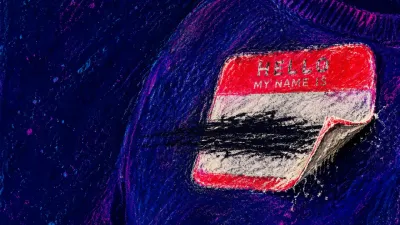
Ghosting Groups Once They Remember Your Name: Staying One Beat Longer

Ghosting Groups Once They Remember Your Name: Staying One Beat Longer

Topic:Social Tarot Reading

Struggle:Belonging Drift

Context:Friendship Spotlight Test

When Wedding Invites Turn Dating Into a Stopwatch: Let Pace Be Mutual

When Wedding Invites Turn Dating Into a Stopwatch: Let Pace Be Mutual

Topic:Timing Tarot Reading

Struggle:Relational Pacing Strain

Context:Social Clock Pressure

Going Official While Waiting for the Drop, Then Learning to Stay

Going Official While Waiting for the Drop, Then Learning to Stay

Topic:Love Tarot Reading

Struggle:Vulnerability Containment Strain

Context:Commitment Cliff Edge

When 'Best Friend' Feels Like Pressure: From Freeze to Honest Reply

When 'Best Friend' Feels Like Pressure: From Freeze to Honest Reply

Topic:Friendship Tarot Reading

Struggle:Performative Intimacy

Context:Friendship Spotlight Test

From Relieved and Rejected to Steadier Self-Trust After a Rain Check

From Relieved and Rejected to Steadier Self-Trust After a Rain Check

Topic:Introspection Tarot Reading

Struggle:Performative Intimacy

Context:Friendship Whiplash

Psychological Patterns Related to Relationship Performance Anxiety