When Wanting Feels Too Visible

Name the tight, exposed feeling, see its reflection in tarot cards, and browse reading insights shaped by the same dread.

Need Exposure Dread
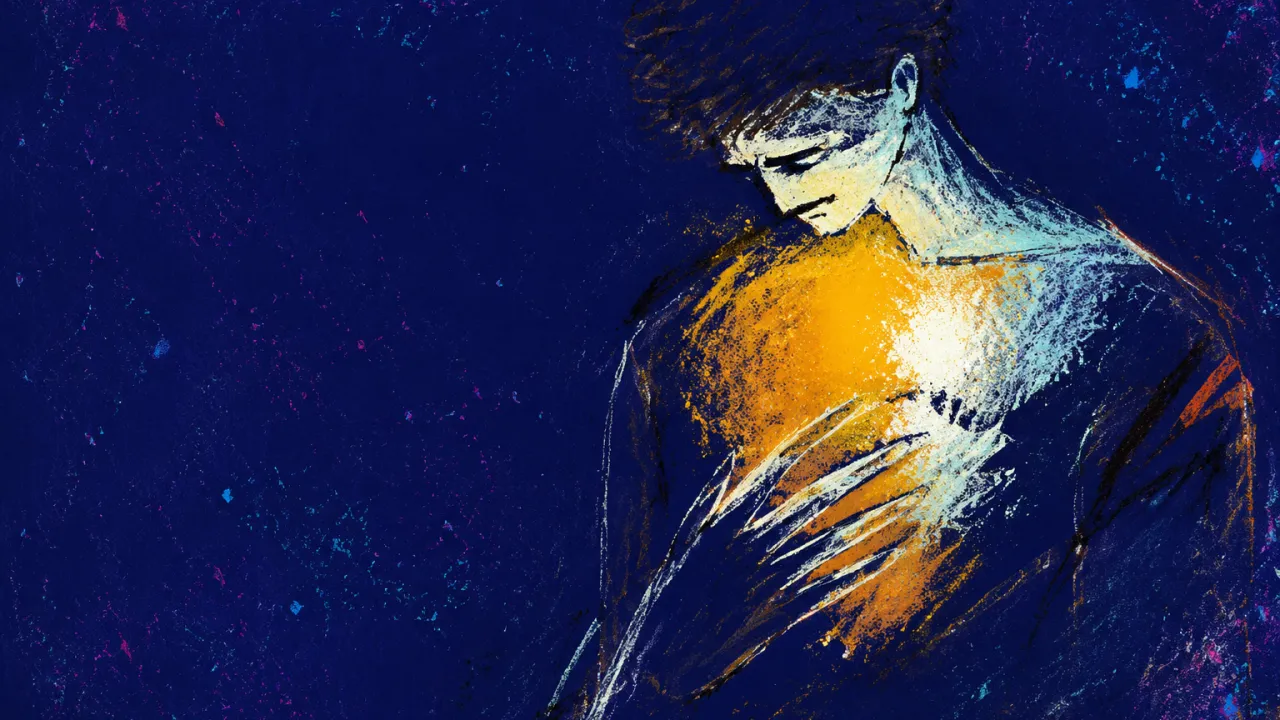
A solitary figure with shoulders drawn inward, an amber-white band suspended across the chest in deep indigo space.

What does this feel like?

Need Exposure Dread is the cold, tight moment when wanting anything starts to feel like standing under an unshielded light. Your chest braces and your shoulders rise before you have said a word, as if the need itself has made you visible. You may know exactly what you want, comfort, reassurance, time, space, or an answer, yet leave the message unsent, soften the request into a joke, or insist you are fine before anyone can look closer. The feeling can linger even in quiet moments, a low buzz beneath ordinary conversation that makes every pause seem like a chance for your wanting to show through. Inside, the questions arrive fast: Will this make me too much? Will they see how much this matters? Can I take it back once it is visible? So you edit yourself down while the need remains, warm and undeniable beneath the cool effort to hide it, much like the figure in the Nine of Swords sitting upright in bed, face covered by their hands while the swords hang in the darkness above.

Why you're feeling this?

Need Exposure Dread does not mean your needs are wrong or excessive. A part of you is saying that being seen wanting something feels too open for comfort. That feeling is valid without requiring a defense, and it proves nothing about your worth.

Need Exposure Dread in Tarot Cards

Need Exposure Dread can make even a quiet want feel glaringly visible. It carries the same tightness across your chest and lift in your shoulders that appears before you say a word. This guarded pause belongs to a universal emotional experience, even when its exact shape feels intensely private. The Tarot Cards below mirror the contours of that exposed, held-back feeling.

The Moon
Upright
The moon hangs above two towers while a narrow path begins beside dark water, and a small creature rises from beneath the surface. That cold illumination mirrors the moment when a need enters your awareness but immediately feels too exposed to examine without fear. The dog and wolf give separate voices to the same internal alarm: one part of you recognises the need as familiar, while another treats its visibility as a threat. You can witness this dread as an atmosphere surrounding the need rather than as proof that the need itself is dangerous or excessive.
Four of Cups
Upright
A closed-armed figure sits beneath a tree while cups remain visible both on the ground and in an offered hand. Internally, the scene captures the move from feeling a need to flattening, dismissing, or intellectualising it before it can demand attention. The cups keep emotional appetite in the frame even while the posture says no. You can observe numbness or disinterest as a cover placed over the dread of self-recognition, rather than as definitive evidence that nothing is wanted.
Four of Pentacles
Upright
A figure clamps one pentacle to his chest, balances another above his head, and fixes two beneath his feet. In love, the sealed posture mirrors holding emotional needs so close that a partner can see the defence but cannot easily see the reassurance, space, security, or tenderness being protected. The city in the distance reinforces the relational separation created by that control. You can recognise the grip as an effort to prevent vulnerability from circulating, while the central pentacle makes the value of what is being guarded unmistakable.
Five of Pentacles
Upright
Two figures cross a cold street in visible difficulty while a lit window rises above them. In a career context, the scene mirrors the fear that asking for resources, accommodation, mentorship, or financial clarity will display professional vulnerability to people who control access. The contrast between the exposed street and sheltered window makes the threshold itself emotionally charged. You can see that support exists within the image while also honouring why approaching it may feel like allowing workplace need to become part of how you are evaluated.
Six of Pentacles
Reversed
A giver stands above two kneeling figures, holding scales in one hand and distributing coins with the other. Reversed, that carefully ordered exchange feels unstable, reflecting the family dread that accepting help may expose need while also activating debt, control, comparison, or remembered obligation. The scales make the family's implicit accounting system visible: who gave, who received, and what may later be expected in return. You can recognise why the request feels charged while separating the existence of a need from the power terms historically attached to meeting it.
Two of Swords
Upright
A blindfolded figure crosses two swords over her heart while the sea behind her remains uneven and emotionally active. In a relationship, that guarded posture captures the moment when stating a need feels more dangerous than maintaining a tense, carefully controlled silence. The blades protect the chest but also prevent any relational movement toward or away from the issue. You can recognise the silence as an exposure-management strategy, while the visible water keeps the underlying desire for contact, space, clarity, or reassurance in view.
Seven of Swords
Reversed
A figure carries five swords away from a social encampment while looking back, leaving two blades standing behind. Reversed, the same backward glance and divided load lose their strategic stability, mirroring the dread that careful self-concealment in a group may no longer hide what you want from other people. The scattered swords show the cognitive labour of managing every signal: how eager to look, how much to ask, and whether caring has already become obvious. You can see the concealment as a response to feared social exposure while still naming the need for belonging, recognition, or inclusion underneath it.
Eight of Swords
Upright
A blindfold, loose bindings, and a fence of swords organise the image around restricted perception and inhibited movement. As a personal-growth pattern, the scene mirrors how needing care, instruction, rest, or connection can become coded as evidence that you are not sufficiently evolved or independent. The enclosure turns self-improvement into another place where you may edit out dependency and vulnerability. Its visible openings let you name the dread as a learned rule around being seen wanting, not as a permanent limit on what you can acknowledge.
Nine of Swords
Upright
Nine horizontal swords fill the dark wall while a figure folds inward, awake and concealed behind their hands. The image gives a precise shape to the internal moment when simply recognising a need feels like being observed by a harsh private audience. The bed locates the experience inside your most unguarded psychological space, where no performance should be required yet self-editing continues. You can separate the warm fact of wanting from the cold mental scrutiny hanging over it, allowing both to be seen without making either a diagnosis or destiny.
Ten of Wands
Upright
A figure bends beneath ten staffs while moving alone toward the buildings ahead. Inside a family system, the image mirrors carrying practical and emotional responsibilities without naming the support you need, because the request might disrupt your role as the reliable one. The staffs hide the person's face, turning labour into both burden and camouflage. You can see how usefulness keeps the need out of sight while also making the personal cost of that concealment impossible to ignore.

Need Exposure Dread in Tarot Card Reading Insights

Others have brought Need Exposure Dread into readings while sitting with the same urge to edit a need down before it can be seen. The Tarot Reading Insights below collect what surfaced in those readings.
Psychological emtions related to Need Exposure Dread