Seen Before You're Ready?

Explore the feeling of being visible too soon, related tarot cards, and tarot reading insights from reflective sessions.

Exposure Dread
What does this feel like?

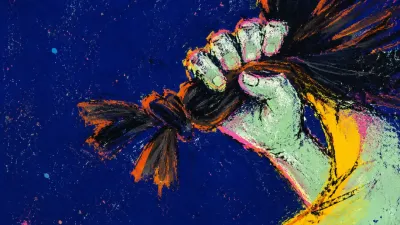
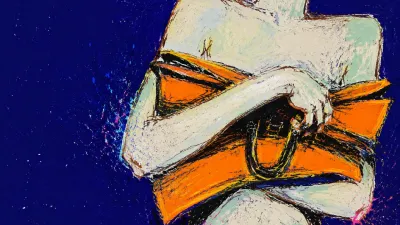
Exposure Dread — it hits as a hot flash under your skin the second you realize something private may already be readable: the shaky pause before you answer, the deleted text sitting in the tone of your reply, the fact that your face has gone quiet before you can put it back together. Your throat tightens, your shoulders pull in, and every light in the room seems to get a little sharper, as if your body has become a screen other people can zoom in on. You can still talk, laugh, present, join the meeting, answer the group chat, or sit across from someone who cares about you, but part of you is busy searching for cover: how much did they notice, did that sound too needy, did my confidence slip, can I explain this before it turns into what they think of me? The dread is not simply being seen; it is being seen before you have chosen the angle, before the unfinished part has a clean sentence, before your inner weather has had time to become something manageable. It can make praise feel like a spotlight, intimacy feel like standing under bright white light, and feedback feel less about the work than about the exposed surface of you behind it. You start monitoring your own body from the inside, trying to smooth your voice, arrange your face, and pull the private interior back behind the wall, much like The Tower, where burning windows make what was hidden visible and the fallen crown can no longer protect the shape of control.

Why you're feeling this?

Exposure Dread makes sense when visibility arrives before your consent has caught up. You're not wrong for wanting a private edge around what is still unsteady, unnamed, or unfinished. Some part of you is asking for space before it has to be legible.

Exposure Dread in Tarot Cards

That hot flash under your skin and the throat-tightening search for cover are the body-shape of Exposure Dread. This is a universal emotional experience: the moment being seen feels faster than your ability to choose what becomes visible. Tarot gives that visible pressure a set of images without turning it into a verdict. Here are the Tarot Cards that tend to mirror Exposure Dread.

The Tower Upright
The tower's windows burn from the inside while the crown is knocked away from the top. What was enclosed, elevated, and controlled becomes visible through smoke, flame, and falling debris. In a private self-audit, the same image captures the dread of being seen by your own awareness. The public-facing structure may have looked intact for a long time, but the card shows the moment the hidden interior becomes undeniable to you.
The Star Reversed
The unclothed figure has no cover in the open foreground, and the wide night gives her nowhere to hide from the star's attention. Her lowered face and occupied hands make the body visible before it can fully defend itself. At work, that visual pressure maps to performance reviews, promotion asks, leadership visibility, or moments when your skill set is suddenly on display. Exposure Dread is the tight inner weather of wanting recognition while fearing the scrutiny that comes with being clearly seen.
The Moon Reversed
The crayfish emerging from the pool is visible before it is fully on land, caught between the hidden water and the exposed road. Above it, the Moon's reflected light reveals enough to be seen without offering the steadiness of daylight. Exposure Dread in career shows up when reviews, presentations, or promotion conversations make unfinished parts of your work or identity feel suddenly inspectable. The card links that dread to the half-emerged creature, naming the fear of being evaluated while the most private part of your competence is still forming.
The Sun Reversed
The naked child stands in total sunlight, with no clothing, shadow, or bridle to create a layer of protection. In a reversed emotional register, that same brightness can press too hard against the skin, turning visibility into a field where every unfinished part feels exposed. Personal growth often asks you to become more honest about your capacity, desire, and limits. When the inner system is not ready to be seen, the Sun’s light can feel like a demand to reveal the whole self before the self has found enough internal safety. Exposure Dread names the fear that growth will make you legible before you feel stable. The card shows why this feeling is not random: the very symbols of clarity and vitality can become overwhelming when you are still trying to protect a tender, unfinished version of yourself.
Judgement Reversed
The trumpet in Judgement does not whisper. Its sound lines radiate outward above uncovered bodies, turning what was hidden below the surface into something visible in a shared field. In friendship circles, that image captures the dread of private feelings becoming public material: the resentment you have hidden, the distance you have been creating, the boundary you have not yet explained. The fear is not only of being seen; it is of being seen before you have found the cleanest language for what changed. Exposure Dread fits the reversed card because the wake-up signal can feel too loud, too communal, and too immediate. The card reveals the pressure of being called into honesty while still standing in the rawness of what has just been uncovered.
The World Reversed
The nude figure stands at the exact center of the wreath, fully visible beneath the open sky and surrounded by four watching faces. The oval does not hide the body; it frames it, making presence feel intensified and hard to soften. Exposure Dread is the feeling of being too available to family perception. The card captures the inner flinch that can appear when relatives seem to see not only who you are now, but every older version of you they still expect to recognize.
Seven of Cups Reversed
One cup holds a human head like a separated public face, detached from the body that stands below. In the same visual field, the observer is not simply looking at options; the options seem to look back through reputation, image, and visibility. The card turns professional presentation into something strangely exposed. Exposure Dread emerges when the career self feels like a mask that could be inspected too closely. Promotion panels, leadership visibility, performance reviews, public praise, and high-stakes meetings can all become emotionally charged when being seen also means being evaluated as a role. The reversed Seven of Cups gives this fear a structure rather than a verdict. It shows that the dread is attached to the gap between the visible work persona and the unshown self behind it, making clarity possible without collapsing into self-blame.
Seven of Swords Upright
The backward glance is the emotional center of the card: the body is already leaving, but the eyes remain hooked to the camp. That split turns the open foreground into a charged space where movement is possible, yet every step still feels observable. At work, Exposure Dread appears when a private strategy has not yet become a public story. You may be applying elsewhere, documenting a manager’s behavior, quietly building influence, or making a political choice that cannot be explained without exposing more than you want to reveal. The fear is not only being caught; it is being caught before your own version of the situation is ready. The Seven of Swords holds this emotion because its tension is visual before it is moral. The figure carries proof, risk, and advantage at the same time. You are not frozen, but you are moving under the pressure of being seen by the very system you are trying to outmaneuver.
Reversed
The backward glance is the card's pressure point: the body is leaving, but the eyes stay attached to the place where the act could still be discovered. The open ground around him gives the stealth no real shelter, and the two remaining swords stand like evidence that the story is not fully contained. For inner work, this image captures the dread of being seen before you are ready to understand yourself. A polished mask, a private compromise, or an old emotional defense can feel manageable while hidden, then suddenly unbearable when imagined under direct light. Exposure Dread fits the Seven of Swords because the fear is not only about outside judgment. It is the inner weather of realizing that the part of you moving in secret may soon have to become conscious, accountable, and visible to you.
Ace of Wands Reversed
The hand does not hide the wand; it presents it in open air. The vertical branch becomes a public mark against the sky, clear enough to be noticed before it has any surrounding structure to protect it. In academic contexts, that exposure can mirror the dread of submitting a draft, asking a question in seminar, presenting early research, or showing a supervisor an idea that is still forming. The work is alive, but its visibility makes it feel vulnerable to evaluation. Exposure Dread names the fear of being seen at the beginning, before polish can act as armor. The card helps separate the living value of the academic spark from the pressure of having that spark inspected too soon.

Exposure Dread in Tarot Card Reading Insights

For anyone who knows Exposure Dread as heat under the skin before a room, chat, or relationship has fully responded, others have brought that same visibility pressure into readings. The pieces below shift from card images to what surfaced when this feeling was brought into a session. Tarot Reading Insights for Exposure Dread.
Psychological emtions related to Exposure Dread