Stuck Before the First Session?

Explore the intake freeze, related tarot cards, and tarot reading insights on forms, calls, waitlists, and first-step pressure.

Therapy Intake Freeze
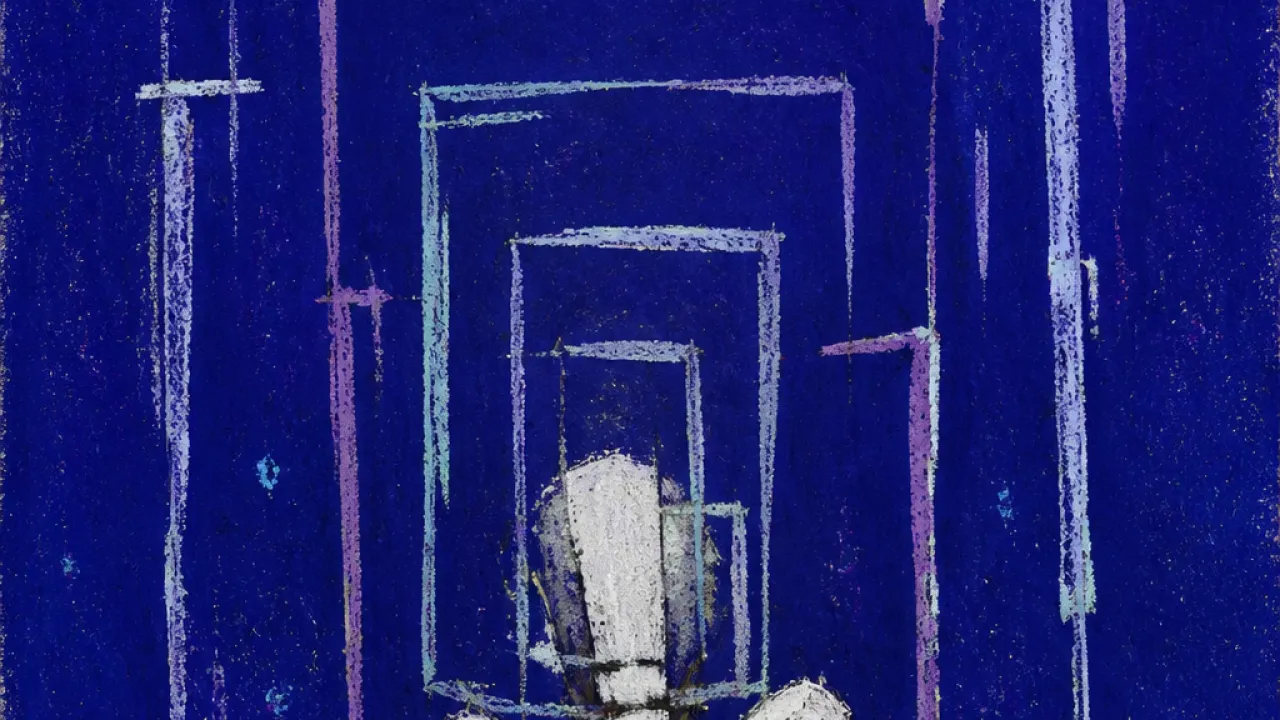
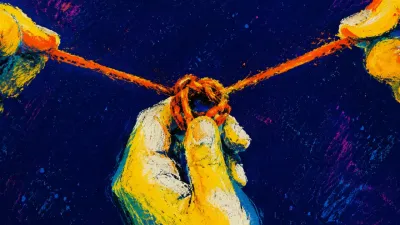
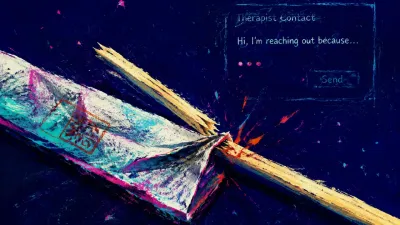
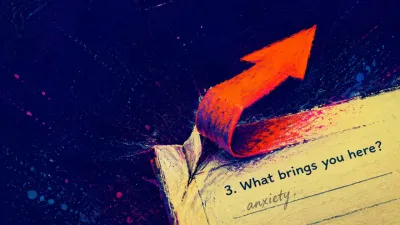
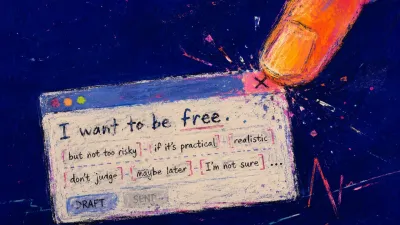
A solitary figure with raised shoulders surrounded by intake forms, phone lines, and portal boxes closing into a narrow gate

What is this situation?

Therapy Intake Freeze — you finally decide to look for support, open the clinic website, and hit the intake button, only to find yourself staring at a long form that wants clean answers for things that do not feel clean. The page asks why you are seeking therapy, what you have tried before, what dates work, what insurance you have, whether you prefer phone or video, whether you can summarize the main issue in a few lines, and suddenly the simple act of booking help turns into an audition you did not know you had to pass. You reread the same question five times, type a sentence, delete it, worry it sounds too dramatic, worry it sounds too vague, then leave the tab open while your shoulders stiffen and your throat goes tight. If there is a phone intake, the pressure shifts to a stranger's voice asking personal questions on a schedule, with pauses you feel responsible for filling and categories that do not quite fit what has been happening. If there is an insurance portal, a waitlist, a referral requirement, or a request to list symptoms, the doorway gets narrower: you are not refusing help, you are being asked to translate a messy, lived situation into boxes before anyone has earned enough trust to hear the full version. Days pass with the email still unread, the voicemail still unreturned, the form still half-finished, and each reminder makes the next attempt feel heavier because now you are not just trying to start therapy, you are trying to get past the first gate. The freeze is not empty space; it is the weight of being asked to be organized, concise, available, and self-explaining at the exact moment you came looking for someone else to help hold the thread, much like the figure on the Eight of Swords, blindfolded and ringed by sharp points that make every direction feel loaded.

Why it's not you?

This is not a personal failure to follow through; the intake process is asking for trust, clarity, paperwork, scheduling, and self-summary before support has actually begun. Forms, portals, waitlists, phone screens, and insurance rules can turn the doorway into a gate. The pressure belongs to that setup, not to some flaw in how you ask for help.

Therapy Intake Freeze in Tarot Cards

Therapy Intake Freeze is the moment the portal, phone call, waiting list, and checklist turn asking for help into another room you have to perform inside. The cursor hovering over the same box, the stiff shoulders, and the tight throat are part of the way this situation lands on the body. This is an environmental, structural dynamic: the intake system asks for clarity, proof, and disclosure before there is enough safety or context to give it cleanly. The Tarot Cards below reflect the shape of that pressure without telling you what choice to make.

The High Priestess
Upright
The High Priestess sits between contrasting pillars before a veil, holding a scroll that remains partly concealed by her clothing. The scene treats personal knowledge as real even when it has not been fully translated or disclosed, directly challenging an intake form's assumption that your situation should already be organised into public, concise language. The upright card preserves access to inner information without making immediate exposure the price of legitimacy. You may know that something needs attention while still lacking the trust, privacy, or words required to place the full account into a portal or phone screen with a stranger.
The Hierophant
Reversed
The formal teacher sits between pillars while two acolytes face him and crossed keys mark controlled entry into an established system. Reversed, the institution's authorised language and sequence fail to accommodate the way your situation is actually organised, so growth becomes conditional on first performing institutional fit. You may be trying to change a pattern or gain a clearer understanding of your life, yet the intake requires you to adopt categories before that learning process begins. The blocked keys reveal a gap between development as a lived process and therapy access as a standardised application ritual.
The Chariot
Reversed
The armoured driver stands in a vehicle without ordinary reins while black and white sphinxes face different directions and the city remains behind him. Reversed, intention cannot create traction: the decision to seek therapy is real, but scheduling, provider choice, insurance, communication mode, and self-description pull the route out of alignment. You may be ready to move while still lacking control over the infrastructure that would carry that decision forward. The stalled chariot separates personal direction from logistical movement, showing how a clear destination can coexist with an intake process that will not reliably advance.
Wheel of Fortune
Reversed
The large wheel turns among figures that rise, balance, and descend around its rim, placing movement inside a system larger than any single participant. Reversed, the intake cycle fails to carry you forward: clinic capacity, insurance windows, referral timing, and waitlist turnover govern access while your completed or half-completed request remains attached to the process. You may return to the same form, voicemail, or provider search at different moments without reaching a new stage. The stalled wheel shows how repeated attempts can become a timing loop when the institution's cycle and your available capacity never align long enough to create entry.
Justice
Reversed
The scales, upright sword, formal throne, and curtained pillars create a scene of categorisation, evidence, and institutional judgment. Reversed, those instruments no longer convert your circumstances into proportionate access; insurance fields, eligibility questions, and short symptom summaries can weigh what is easy to document while excluding what requires context. You are being asked to present a coherent case before the clinic has created enough trust to understand it. The freeze reflects the unequal distribution of interpretive power: the system defines the questions, acceptable answers, and entry criteria, while you carry the risk of being too vague, too detailed, or placed in the wrong box.
The Hanged Man
Upright
The figure hangs by one foot from a living wooden frame, suspended between ground and sky while a halo marks active awareness rather than absence. The image mirrors the intake interval in which you have decided to seek therapy but cannot yet enter it, leaving the form, waitlist, or phone screen as a holding structure. The upright suspension can make the bottleneck legible: time is passing, but the pause is not empty and it is not equivalent to refusing support. You are being held at a threshold where the clinic expects more information or availability before movement resumes, so the timing of care is no longer fully yours to set.
The Moon
Upright
A narrow path runs from dark water between two towers while a dog and a wolf react differently beneath the moon and a crayfish emerges at the threshold. The scene reflects trying to name what therapy should address when some of the relevant material is only beginning to surface and the available categories sit like fixed gates farther ahead. The upright path exists, but moonlight does not provide the certainty of daylight. You may recognise enough to seek support without possessing a final explanation, while the intake form demands settled labels at a stage defined by ambiguity, partial memory, and competing interpretations.
Judgement
Reversed
An angel sounds a trumpet above figures rising from enclosed boxes, turning a call into collective movement toward a new stage. Reversed, the call reaches the threshold without producing emergence: the intake voicemail, clinic email, or request for more information arrives, but it also feels like an assessment you must pass before support begins. You may leave the message unanswered because response and exposure have been fused into the same event. The blocked rising motion distinguishes a genuine readiness for change from readiness to perform a complete, evaluable account on a stranger's schedule.
Seven of Cups
Upright
A silhouetted figure faces seven cups floating in clouds, each offering a different and partly obscured possibility. The scene resembles an intake portal filled with provider types, presenting concerns, appointment formats, insurance paths, and categories whose real consequences cannot be judged from the labels alone. The upright cups make options available, but availability without hierarchy or context produces ambiguity rather than agency. You may pause because the system asks you to choose among projections of care before you know which description fits, turning the first step into a high-stakes menu with no trustworthy preview.
Two of Pentacles
Reversed
Two pentacles loop through an infinity-shaped ribbon while ships pitch on large waves behind the juggler. Reversed, the balancing system loses its workable rhythm: appointment windows, insurance information, phone or video preferences, and daily obligations remain in motion, but no stable sequence holds them together. The problem is not that you have failed to prioritise support; the intake design assumes spare executive bandwidth and schedule flexibility. When those resources are unavailable, every additional field becomes another moving object, and the booking process can fall out of the routine before it reaches completion.
Four of Pentacles
Upright
The seated figure presses one pentacle to his chest, pins two beneath his feet, and balances another above his head while the city stands at a distance. The closed posture depicts information held close because releasing it could alter safety, control, or access, much like being asked for personal history before the clinic has earned trust. The upright grip protects something materially valuable, even though it also limits movement. You may guard details on an intake form because the portal cannot show who will read them, how they will be interpreted, or whether they will affect eligibility, leaving privacy management to compete directly with the goal of entering therapy.
Five of Pentacles
Upright
Two figures move through snow outside a lit stained-glass window, with one relying on crutches while the institutional interior remains inaccessible. The image captures support as materially present but separated from you by an unmarked boundary, much like a clinic that exists yet remains behind forms, insurance checks, referrals, or a waitlist. The illuminated window keeps the resource visible, but visibility is not the same as access. You can recognise therapy as a possible direction while still being left outside its intake architecture, carrying the practical cost of a service doorway that has not converted availability into entry.
Seven of Pentacles
Upright
A worker leans on a tool and studies seven pentacles growing from a plant, with effort already invested but no immediate harvest available. The scene mirrors the period after opening an intake, drafting answers, submitting information, or joining a waitlist when substantial work has occurred but support has not begun. The upright pause allows the delay to be assessed as a process stage rather than proof that the effort was meaningless. You remain exposed to reminders and uncertainty while the clinic controls the next response, making the timing cost visible even when the eventual outcome is still unknown.
Ace of Swords
Reversed
A hand presents one crowned sword from a cloud, reducing complexity to a single decisive line. Reversed, the line cannot connect intention with action because the intake system makes verbal clarity the admission price for a process that was supposed to help produce clarity. You may understand that the current situation cannot continue unchanged while still being unable to write the required summary. The reversed blade locates the practice gap in translation: the wish to begin is present, but the clinic's demand for a finished narrative blocks the first imperfect action.
Two of Swords
Upright
A blindfolded figure holds two swords in a rigid cross while rocks break up the water behind her and a small moon hangs overhead. The posture captures an intake choice in which selecting either answer feels exposing: concise may seem misleading, detailed may feel unsafe, phone may feel pressured, and video may feel too visible. The upright stalemate preserves the decision until enough information is available, but the clinic form often treats delay as non-completion. You are therefore caught between protecting complexity and satisfying a system that demands a clean selection before it has provided enough relational context to make that selection feel informed.
Six of Swords
Reversed
A cloaked passenger and child sit in a boat whose bow is crowded by six swords while another figure poles them across the water. Reversed, the crossing cannot complete: you have entered the transition toward support, but the very material being carried into therapy now obstructs the intake vessel that is supposed to take you there. The route asks you to package personal history into fixed questions before a working alliance can help organise it. This leaves you between shores, no longer at the untouched starting point but not yet received by the clinic, with each unfinished form or missed call extending the crossing.
Eight of Swords
Upright
The bound figure stands within eight swords while a distant structure marks a possible destination and small openings remain in the enclosure. The image maps the gap between deciding that something needs to change and being able to convert that recognition into a completed therapy intake. The upright scene identifies both the restriction and its architecture. You are not missing the desire to move; the form requires you to navigate self-explanation, trust, scheduling, and eligibility without support, so the first action is constrained by the same lack of scaffolding that led you to seek help.
Nine of Swords
Upright
A person sits upright in bed with their face covered while nine swords line the dark wall behind them. The image captures the intake questions continuing after the browser has closed, as possible wording, missed calls, unread emails, and fears of sounding wrong replay without any clinic response to resolve them. The upright scene brings the private cost into view instead of allowing the unfinished form to look like simple procrastination. You are carrying an evaluative conversation alone before therapy has started, and the lack of external feedback lets each imagined interpretation remain active in the mental queue.
Eight of Wands
Reversed
Eight wands travel together across an open landscape toward the ground, creating an image of messages and movement approaching their destination. Reversed, that communication stream does not land cleanly: an intake email remains unread, a voicemail goes unreturned, or the available appointment window passes before you can respond. The problem is not simply response speed. You are receiving time-sensitive communication that also demands personal disclosure, scheduling, and rapid decision-making, so each delayed message gathers more pressure and makes the next contact harder to re-enter.
Ten of Wands
Upright
The bent figure carries all ten wands at once while the town he is trying to reach remains visible ahead. The image turns intake into a concentrated load of forms, insurance details, scheduling decisions, self-summary, and follow-up tasks placed between you and the support destination. The path remains open in the upright scene, but access depends on carrying the entire bundle to the endpoint without shared support. You may therefore experience the unfinished intake as another heavy life-admin obligation rather than a simple booking step, especially when the clinic distributes its own administrative workload onto the person seeking entry.

Therapy Intake Freeze in Tarot Card Reading Insights

Therapy Intake Freeze often shows up when people bring the intake portal, first-call script, or unread email into a reading because the next step feels blocked before it even begins. These readings move from the cards into the specific pressure of trying to ask for help inside a system that keeps asking for more information first. Tarot Reading Insights from sessions on this situation are gathered below.
Psychological Contexts Related to Therapy Intake Freeze