A grounded look at gradual withdrawal, linked tarot cards, and tarot reading insights from sessions around fading communication.
Slow Fade
What is this situation?
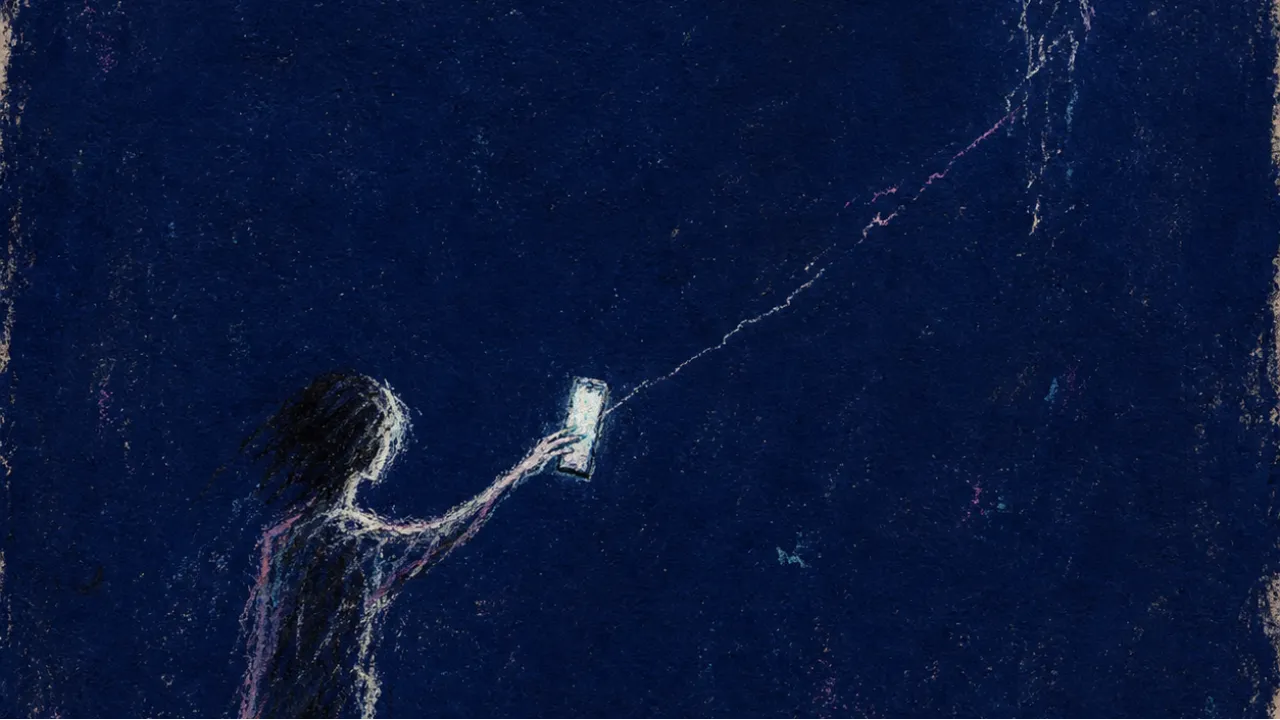
Slow Fade — you notice it first in the small change of pace: the good-morning text arrives closer to noon, the quick reply turns into a six-hour gap, the easy plan for Friday becomes "let's see" without another date attached. At first, there are enough signs of interest to keep the connection alive: a heart reaction, a "sorry, crazy week," a message that sounds warm but never quite turns into time together. You start adjusting around someone else's shrinking availability, leaving space in your evening for a reply that may not come, rereading the last exchange to see whether you missed the moment things changed. The other person does not fully disappear, which is what makes it harder to name; they stay just visible enough to keep the door cracked, but every attempt to walk through it meets a softer version of distance. Plans become tentative, messages get shorter, their energy thins out in a way that makes you feel the ending before anyone has said it. You are left managing an unfinished exit: not blocked, not chosen, not clearly released, just slowly moved to the edge of someone else's attention until the connection feels like a room losing light, much like the Eight of Cups, where a figure walks away under the moon and leaves the arranged cups standing behind without explanation.
Why it's not you?
The problem is not that you needed too much clarity; the problem is that the other person kept reducing access while avoiding a direct ending. Delayed replies, vague plans, warm-but-empty check-ins, and disappearing follow-through are not neutral signals when they form a pattern. That pattern has a shape: it keeps you engaged while withholding the conversation that would let you know where you stand.
Slow Fade in Tarot Cards
In a Slow Fade, that small drop in your stomach when their name finally appears days later comes from the way contact is rationed, delayed, and then softened with excuses. This is an environmental and structural dynamic inside the connection: access, attention, and clarity are controlled by gradual withdrawal rather than a direct conversation. The cards below do not decide whether someone will come back; they reflect the outline of this retreat as it shows up in the exchange. Here are the Tarot Cards that often mirror the shape of a Slow Fade.
One ankle holds the suspended figure from a wooden frame while the body remains motionless and a halo marks heightened awareness inside the pause. The scene captures a relationship timeline that cannot progress normally: plans stay provisional, replies arrive unpredictably, and no explicit ending releases the time being kept available. The upright suspension makes the stalled structure visible to you even though it does not force an immediate outcome. The pause can reveal that waiting is not empty time when it repeatedly requires schedule flexibility, emotional availability, and interpretive labour while the other person's participation continues to shrink.
The moon casts incomplete light over a path between two towers while instinctive figures respond from opposite sides of the scene. That divided landscape resembles the internal cache created by a slow fade: one warm message supports hope, one missed plan supports departure, and neither fragment supplies enough shared context to settle the relationship's meaning. You may reread exchanges, compare response times, or search for the exact moment the pace changed because the external system keeps producing contradictory evidence. The upright image reveals that this mental looping is being fed by a materially ambiguous communication environment, allowing self-scrutiny to be separated from the other person's observable pattern of reduced access.
The inverted dancer remains inside an oval wreath while four witnesses occupy the corners, but the enclosing form no longer functions as a completed threshold. The image captures a relationship that has behaviourally reached an ending yet remains administratively and emotionally open because no one has clearly named the transition. For you, the missing closure keeps the connection circulating through tentative plans, residual messages, and unanswered questions rather than allowing it to take a settled social form. The reversed structure shows completion being withheld: the other person reduces participation but leaves the final boundary unfinished, transferring the maintenance of limbo onto you.
The inverted pair still face one another with cups in hand beneath the winged emblem, but the reversal destabilises the direct line of exchange between them. The relationship remains recognisable enough to preserve attachment, while reciprocity, availability, and shared momentum no longer move reliably in both directions. That disrupted circuit matches the experience of continuing to answer, propose plans, and reserve time while the other person's contribution steadily contracts. You are not facing a complete absence of contact; you are facing a bond whose visible form remains while the mutual behaviour required to support it is thinning out.
Three cups sit within reach while a fourth is extended toward a seated figure whose crossed arms and turned attention close the circuit of exchange. The scene renders emotional disengagement as visible non-participation: opportunities for contact remain present, but the receiving person is no longer converting them into shared movement. For you, that structure resembles sending a message, proposing Friday, or responding warmly only to meet another soft refusal, delay, or noncommittal answer. The upright image makes the asymmetry observable without requiring you to invent a hidden motive; the relationship friction lies in repeated bids receiving too little active uptake to sustain mutual connection.
Eight cups remain standing in the foreground while a red-cloaked figure walks toward a difficult mountain path beneath the moon. The connection has not been visibly destroyed, yet the person who gave the arrangement its meaning is already moving away; that gap between intact appearances and active departure mirrors a dating connection kept nominally alive while access, effort, and presence disappear. Because the departure is shown through movement rather than an announced confrontation, you can recognise how an ending may become behaviourally real before it becomes verbally official. The upright path makes the pattern legible: warm remnants do not cancel the direction of travel, and observable withdrawal can be assessed separately from the occasional message that keeps the door cracked.
The inverted knight still extends a cup from horseback, but the offered gesture can no longer settle into a reliable forward approach. Romantic language remains available while the route from expression to presence is obstructed, matching affectionate messages that repeatedly fail to become dates, consistency, or accountable conversation. For you, the cup may arrive as a heart reaction, apology, or warm check-in that briefly restores hope without changing the underlying reduction in access. The reversed orientation exposes a blocked delivery system: sentiment is being circulated, but the practical pathway that would turn it into a functioning relationship is not being maintained.
A figure leans on a tool and studies seven pentacles growing on a vine, pausing to compare invested effort with the visible return. The scene mirrors the temporal position created by a slow fade: time, attention, and schedule space have already been committed, while new evidence of reciprocal growth arrives more slowly or not at all. The upright pause makes evaluation available without pretending that patience automatically produces a relationship outcome. You can see how occasional warmth keeps the investment looking alive, while the extended waiting period reveals whether the connection is generating fresh reciprocity or merely preserving what was previously built.
A blindfolded figure holds two swords in a closed cross while the sea and a narrow moon sit behind the stalemate. The posture captures a decision blocked by incomplete visibility: the connection has not been clearly ended, yet its reduced movement supplies too little evidence for treating it as securely ongoing. You are therefore asked to choose under conditions created by someone else's withheld clarity, not because the available options are genuinely equal. The upright stillness exposes the structural bind between waiting for explicit confirmation and responding to the accumulated pattern of delayed replies, vague plans, and diminishing follow-through.
A boat carries cloaked passengers away while six swords stand inside the vessel and a ferryman quietly controls the crossing. There is no explosive break in the scene; the decisive fact is that movement away is already happening, with the emotional weight of the transition travelling alongside everyone affected by it. That low-volume departure mirrors a relationship being exited through reduced participation rather than a direct breakup conversation. You may still see the other person in the boat-shaped outline of the connection, but shorter messages, uncertain plans, and fading availability show that the shared position is changing beneath the surface.
A figure carries five swords away from the camp, leaves two behind, and looks back while exiting sideways. The image presents an indirect departure that removes substantial relational material without making a clean, face-to-face break, closely matching the structure of reduced access paired with enough residual contact to avoid naming an ending. For you, the two swords left behind resemble the heart reaction, apologetic check-in, or warm message that keeps the connection technically alive after consistent effort has been withdrawn. The upright scene captures the method of exit without claiming a hidden motive: accountability is bypassed, and the unfinished pieces leave you managing the ambiguity that the departing person did not resolve.
Eight parallel wands that ordinarily cross an open landscape with uninterrupted momentum are turned upside down, making their shared line of travel feel checked and unable to arrive cleanly. That interrupted trajectory mirrors messages taking progressively longer, conversations losing velocity, and plans remaining suspended instead of landing in actual time together. Within the romantic connection, the reversed flight shows communication infrastructure failing at the level of cadence and follow-through rather than disappearing all at once. You continue receiving occasional signals, but their reduced speed and unreliable arrival prevent warmth from becoming a dependable relationship rhythm.
No cards available for this filter.
Slow Fade in Tarot Card Reading Insights
A Slow Fade does not usually arrive as one clear ending; it shows up in delayed replies, vague plans, and the quiet shift from presence to absence. Others have brought this same kind of withdrawal into readings when they needed the pattern laid out in front of them. Tarot Reading Insights from sessions around this gradual pullback.