Seen, But Not Met?

Explore the split between recognition and isolation through related tarot cards and Tarot Reading Insights from comparable readings.

Visibility-isolation Split

What does this feel like?

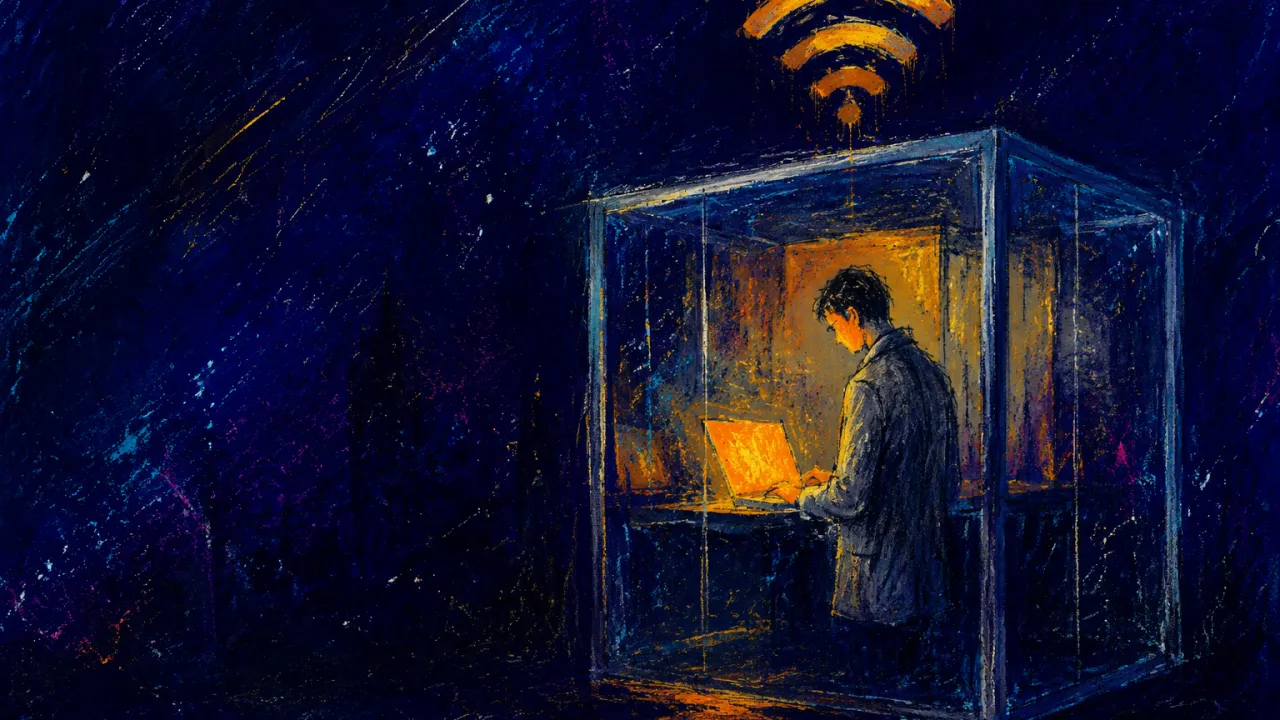
Visibility-Isolation Split — you feel it in the moment after you finally say the thing, post the work, take the lead, or let your name sit where people can see it, and instead of relief your body goes oddly still. Your face may be calm, even polished, but your chest tightens as if the room has leaned closer than you agreed to. You wanted to be visible enough to be taken seriously, chosen, understood, credited, maybe even admired; you did not want the exposed feeling that comes with being readable from a distance by people who may never actually meet you. So you learn to offer a clean signal: the smart comment, the useful perspective, the finished project, the composed photo, the steady friend version of yourself. The beam goes out, and people respond to it, but the rest of you stays under cover. You can be invited and still feel outside the circle, praised and still feel unsupported, known for your clarity while no one asks what it costs to hold that clarity alone. The strange part is that isolation does not always look like being ignored; sometimes it looks like everyone noticing the exact part of you that performs well while the softer, unfinished, ordinary parts remain unreachable. You may scroll through replies, Slack messages, comments, grades, feedback, or texts and feel the evidence of contact in your hand while your stomach says, not this, not yet, not really. Over time, the cost is not simply loneliness; it is learning to split your presence into what can be seen and what has to stay protected, much like The Hermit lifting a lantern into the dark while the body holding it disappears into the grey cloak and empty night.

What's pulling at you?

You're not torn because you dislike attention; you're torn because visibility gives you access, influence, and recognition, while it can also make you feel exposed and less held. You are trying to let people see enough of you to matter without giving up the distance that helps you feel intact. The stuck place is the mismatch between being noticed from the outside and being met in a way that reaches the person behind the signal.

How It Shows Up?

  • You post something thoughtful, or you speak up in a meeting, and for a few minutes the room finally looks your way. Your chest lifts, then tightens; your face feels warm, your tongue goes dry, and you immediately start replaying the exact wording in your head. The attention lands like a small beam of light, but the rest of you stays wrapped up and still. You can let the visibility be partial without deciding what it means about your whole self.
  • A friend says, "You're always so wise," and you smile because it is kind, but your stomach drops a little because you know they are seeing the lantern, not the person holding it. Your shoulders rise without you noticing, your laugh comes out controlled, and the part of you that needs to be messy stays quiet. It is allowed to notice the gap between being useful to someone and being known by them.
  • At work or school, your name starts getting attached to the polished outcome: the deck, the grade, the launch, the clean answer in the room. You feel the pride for half a second, then your jaw locks because now every mistake feels more visible than every effort behind it. It can feel like standing in the center of The World, watched from all sides, with no one stepping into the ring beside you. You can respect the pressure without forcing yourself to perform ease.
  • You get home after being "on" all day and sit on the edge of your bed without taking your shoes off, phone still in your hand, notifications blinking like proof that people know where to find you. Your body is buzzing, but the room feels too quiet; your throat is tight, your back aches from holding yourself upright, and you don't know who you would text if you wanted to be met instead of answered. It is okay to let the silence name the difference before you respond to anyone.
  • In a group chat, party, class, or online space, you can tell people recognize your vibe: they tag you, ask for your take, laugh at your timing, remember the version of you that is easy to place. Still, your hands feel cold, your breathing stays shallow, and you catch yourself scanning for one person who would notice if you suddenly stopped performing. You can be present and still need a slower kind of contact; both can be true in the same room.

Visibility-isolation Split in Tarot Cards

Visibility-Isolation Split lives in the gap between being seen enough to matter and staying hidden enough to feel protected. You can feel it in the tight jaw, dry tongue, shallow breath, and the quiet after being "on" all day. From an existential view, the structural framework here is about recognition increasing faster than reciprocal contact. The Tarot Cards below make that outline easier to see without explaining it away.

The Hermit Upright
The Hermit stands on an exposed ridge with one hand lifting the lantern and the other hand pressing the staff into the frozen ground. The same body that creates light also has to brace itself against the conditions that make that light necessary. That structure makes inner clarity feel inseparable from distance. In introspection, You may be able to name a hidden feeling, trace a pattern, or see through a public mask, but the act of seeing can also move You farther away from easy belonging and ordinary emotional contact. The struggle is not simple solitude. It is the split between becoming visible to yourself and becoming harder to reach by others, where the lantern clarifies the inner world while the ice field keeps the clarified self standing apart.
The Hanged Man Upright
A single illuminated body hangs at the center of a blank field. The halo makes the figure unmistakable, but the surrounding space offers no other body, no shared floor, and no route for contact. In a social setting, that image separates being visible from being connected. You can be noticed, remembered, even read as interesting, while still carrying the isolation of having no reciprocal ground where another person actually meets you.
The Star Reversed
The brightest star dominates the sky while the only human figure remains alone at the water's edge. The scene is luminous and exposed, yet it contains no surrounding group, no witness beside her, and no shared shelter. That visual split mirrors the modern social condition of being visible without being held. You can appear active, reachable, followed, included, or present while the actual structure of recognition stays thin, leaving you seen by many surfaces but known by no stable circle.
The Sun Upright
A single child occupies the card's human center, fully visible under the largest light in the image, while the clustered sunflowers remain behind the wall. The scene is not dark or empty; it is bright, open, and still strangely solitary at the level of human contact. You may know this as the gap between being visible in a room, feed, group chat, or scene and actually feeling met by another person. The card gives that gap a shape: recognition can illuminate you from the outside while still failing to create the reciprocal contact that belonging requires.
The World Upright
The dancer is fully exposed at the center, while the four figures watch from the corners and the wreath keeps a clean boundary between inside and outside. The scene offers recognition, but the witnesses do not enter the ring or physically share the dancer's load. At work, visibility can operate the same way: your output becomes easier to see, your title carries more attention, and your mistakes may feel more public, while actual support stays outside the frame. You are not simply being noticed; you are being located as the visible center of a system that still keeps you structurally separate. Visibility-Isolation Split captures that double bind of recognition. The card shows why being seen can feel strangely lonely when the gaze increases faster than shared responsibility, mentorship, or real backing.
Nine of Cups Upright
The man faces forward with the cups behind him, visible to everyone and shared with no one. The bright open field makes the scene look clear, yet the table and crossed arms leave no living exchange inside that visibility. In career terms, the card holds the strange loneliness of being known mainly through outcomes. You can become more visible as a successful performer while receiving less honest support, fewer reciprocal allies, and less room to be unfinished, which turns exposure into a quieter form of isolation.
Page of Cups Upright
The Page faces the viewer, dressed in soft color and ornamental pattern, but his actual gaze is not outward. His attention is captured by the cup, and the broad empty sky behind him offers space without companionship. Visibility-Isolation Split forms when the social surface is readable while the inner point of contact remains private. You can be present, charming, and easy to include, yet still feel alone because the group sees the figure on the platform, not the living exchange held in the cup.
Queen of Cups Reversed
The throne makes the Queen highly visible, but the island keeps her separate. She is presented as composed, elevated, and important, while the surrounding water and distant wall define how little ordinary access exists around that position. In a career hierarchy, that geometry mirrors the experience of being relied on without being reached. You may be seen as capable, stabilizing, or promotion-ready, yet the same visibility can isolate you from honest support because others approach the function before they approach the person. The struggle is the split between status and contact. The card shows a professional self that can be looked at, trusted, and used as a reference point, while the living person inside the role remains behind water, wall, and sealed cup.
Four of Pentacles Upright
The figure is placed in full view, crowned and centered, while the city sits behind him as a living social field he does not enter. The composition creates a sharp split between being visible in the foreground and being separated from the network in the background. That is the structure of Visibility-Isolation Split in social life. You can be known, noticed, invited, tagged, or publicly legible while still feeling outside the actual warmth and movement of the group. The blank space between the body and the town is the important pressure point. It shows the gap between social exposure and social inclusion, where being seen does not automatically become being held.
Eight of Pentacles Upright
The craftsman works in the open, close enough for his diligence to be seen, yet his gaze never leaves the small surface in front of him. The town sits in the background as a wider social world, but the figure's lived space is reduced to the coin, the bench, and the tools. That visual arrangement captures the strange loneliness of being publicly present but internally unreachable. In social networks, you can be seen, tagged, invited, or relied upon while still feeling that no one is actually meeting the part of you that is working so hard to stay composed. The card holds visibility and isolation in the same frame. It shows a social life where exposure increases without intimacy deepening, leaving you wondering why being noticed still does not feel like belonging.
Nine of Pentacles Upright
The woman stands alone inside a full garden, surrounded by ripened vines, pentacles, a manor, and open sky. Nothing in the scene looks empty, yet the abundance does not produce shared presence; it frames one figure in a carefully maintained distance. For career success, that spatial structure captures the isolation that can arrive after becoming visible. You may be respected, promoted, or seen as the person who has made it, while the same visibility separates you from the peer support and ordinary belonging that once made the work feel livable. The card does not treat isolation as a failure to appreciate success. It shows a precise career geometry: the more clearly your achievement is displayed, the more the garden can become a perimeter around you.
Reversed
The estate is spacious, fruitful, and visibly successful, yet the central figure stands alone among the vines. The house, the grapes, the pentacles, the falcon, and the snail all signal a complete world, but no other person enters the field of exchange. In the reversed texture, visibility expands while access narrows. You may be known, admired, invited, or socially legible, but the card shows how recognition can gather around the image of a life without reaching the person who lives inside it. Visibility-Isolation Split names the social pain of being seen as impressive without feeling contacted as real. The garden is not empty; the problem is that its abundance becomes a display surface instead of a shared meeting ground.
Four of Swords Upright
The church space shields the knight from the field, but it also removes him from ordinary visibility. The figure is safe from immediate conflict, yet enclosed in a niche where no one can see active competence, momentum, or leadership. That is the career bind inside Visibility-Isolation Split: the space needed to regain judgment can also separate you from the informal circuits where influence is built. You may need quiet to think clearly, but promotion systems often reward the people who remain visibly present in the room. The Four of Swords makes the cost of strategic retreat visible. The retreat protects the inner signal, but it also asks whether stepping away has become a loss of witness, sponsorship, and professional presence.
Five of Swords Upright
The central figure is the most visible body in the card, lifted forward by his red garment, upright sword, and backward glance, while the others recede with covered faces. The composition makes success visually loud and socially empty at the same time. In academic life, that pressure shows up when standing out as the smartest, fastest, or most prepared person creates distance instead of safety. You can be seen clearly by the room and still lose the feeling of being held by it.
Reversed
The foreground figure is the most visible body in the scene, but that visibility is framed by retreat, bleak weather, and a shoreline that separates rather than gathers. The swords draw attention toward him while also confirming that no one is standing with him. Visibility-Isolation Split takes shape when being seen does not create closeness. In the reversed structure of this card, visibility hardens into a position to maintain, while the social field quietly empties around it. In social tarot, You may be recognized, watched, admired, or even feared in a circle, yet still feel untouched by real belonging. The struggle is the painful mismatch between occupying a noticeable place in the group and having no safe place to soften inside it.
Page of Swords Upright
The Page is lifted above the landscape, visible against the sky, with birds and clouds around him rather than a crowd beside him. The high ground gives perspective, but it also removes cover and makes his separateness part of the scene. In social networks, Visibility-Isolation Split forms when being noticed, posting, speaking up, or becoming the observant one does not create closeness; it sharpens the feeling of standing apart. The card gives that contradiction a shape: exposure expands while real social landing space stays narrow.
Queen of Swords Upright
The throne rises above the clouds in a sparse landscape, and the only moving presence in the sky is a solitary bird far away. The Queen can see from height, but the height does not bring anyone closer. Career visibility often works the same way. A promotion, a reputation for competence, or a more public role can widen your view of the system while quietly reducing casual belonging, peer safety, and the feeling that anyone is standing beside you. Visibility-Isolation Split is anchored in that elevated composition. The card does not frame recognition as simple success; it shows visibility as altitude, and altitude as a place where clarity and loneliness can arrive together.
King of Swords Upright
The mound lifts the King into full view, but it also separates him from the landscape below. Sky, clouds, and birds widen the visual field around him, while his body remains fixed to a cold central seat. Career visibility can work the same way: the promotion, title, or public competence makes you easier to notice but harder to hold. You become more legible to the system at the exact point where ordinary peer support, softness, and shared uncertainty start to recede.
Two of Wands Upright
The figure occupies the highest point in the scene, visible above the land he surveys, yet no other body shares the platform with him. His height gives him perspective, but the same elevation separates him from the ordinary ground where mutual contact would happen. In social life, this is the structure of being recognized without feeling reached. You can be seen, followed, invited, or respected while still experiencing the group from a distance that never converts into closeness. The Two of Wands holds that contradiction in the architecture itself. The vantage point is real, but so is the isolation built into it; visibility becomes a position, not a guarantee of belonging.
Three of Wands Upright
The figure is highly visible in the composition, elevated above the landscape and dressed with signs of status, yet his face is turned away and every living point of movement sits far out on the water. The card gives prominence without reciprocity: sightline without eye contact, exposure without touch. That visual arrangement carries Visibility-Isolation Split in social settings. You may be seen, followed, recognized, or assumed to be fine, while the actual experience of inclusion remains distant. The struggle lives in the gap between being socially legible from the outside and being held from the inside.
Seven of Wands Upright
The figure is elevated enough to be seen by every wand below, but the same elevation leaves him alone on the ridge. His advantage is also his exposure; the clearer his position becomes, the less cover he has. In a friend group, this maps to the moment when speaking honestly makes you legible as the one disrupting the old dynamic. You may still belong emotionally, but visibility changes the social geometry, and the struggle becomes whether being clear will cost the casual inclusion that once felt safe.
King of Wands Upright
The King of Wands is not hidden; he is fully exposed on a throne in an open desert. His cloak, crown, and wand make his position unmistakable, yet the scene offers no companions, no private shelter, and no visible social field around the authority he carries. Career visibility often works this way. A promotion, leadership role, public win, or high-stakes assignment can make you more recognizable while quietly reducing the casual support that used to make work feel human. The card names the split between being seen and being accompanied. You are not simply lonely at work; you are inside a structure where visibility has increased faster than belonging, feedback, and mutual protection.

Visibility-isolation Split in Tarot Card Reading Insights

Visibility-Isolation Split often enters readings as the question of why recognition can still feel so solitary. The shift from cards to readings shows how others bring this same gap between being noticed and being met into a spread. Tarot Reading Insights from related sessions.

Psychological struggles related to Visibility-isolation Split