Explore the pressure of a relationship decision point, the tarot cards that mirror it, and reading insights from similar sessions.
Couples Therapy Crossroads
What is this situation?
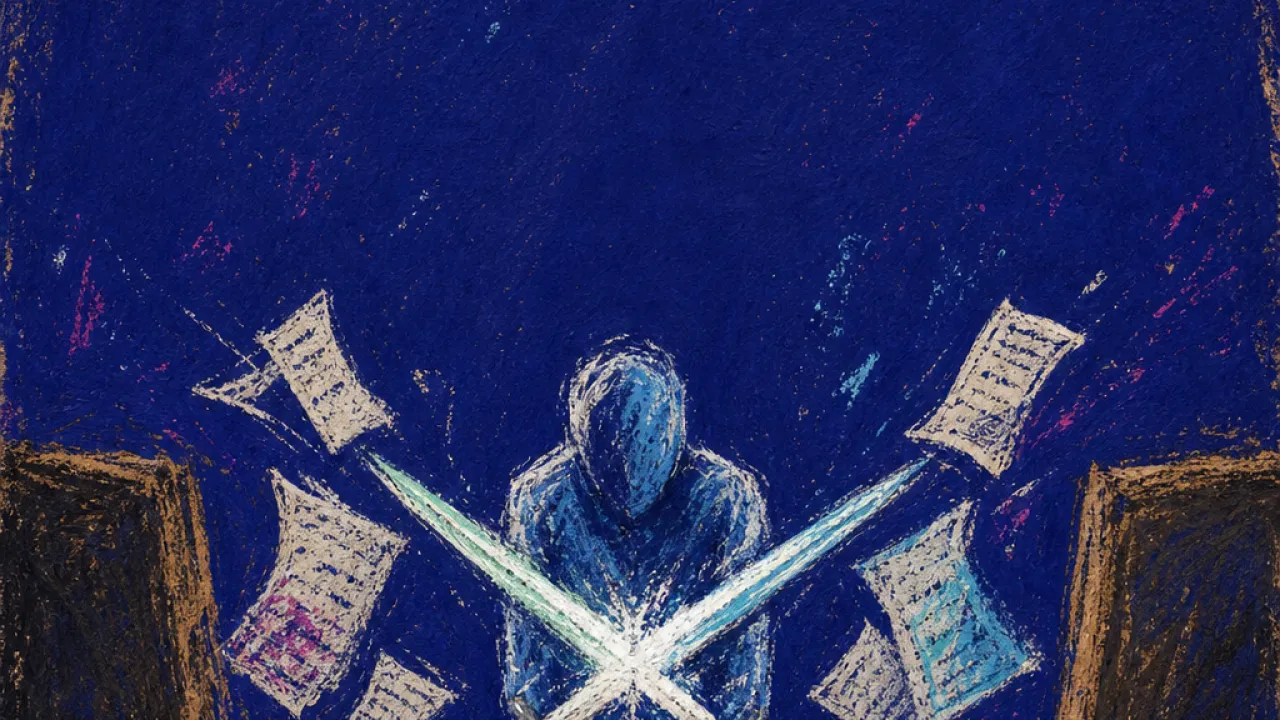
Couples Therapy Crossroads — you arrive at the session already carrying the argument that happened in the kitchen, the text thread that went cold, and the small hope that maybe a neutral room can make the two of you hear each other differently. You sit beside your partner on a couch or across from them on a screen, both of you using careful voices because there is now a witness to the way the relationship works when no one else is watching. The therapist asks what brought you here, and the answer is never just one thing: repeated fights that end in silence, promises to change that fade by Friday, one person tracking every shift in tone while the other says they are trying, calendars full of sessions and homework that somehow still lead back to the same doorway. Outside the room, life keeps asking for normal couple behavior — dinners, shared rent, family questions, mutual friends, future plans — while inside the room the relationship is being held up to the light and neither of you can pretend it is simple anymore. The pressure is not only whether therapy is working; it is the slow realization that staying requires more than attendance, and leaving would mean naming the shape of everything you have built together. You start noticing the charged pauses before each appointment, the stiff ride home afterward, the way your chest tightens when someone asks how things are going, because the relationship has become a decision you are both living inside, much like the figure on the Two of Swords, seated still with two blades crossed over the heart while dark water waits behind them.
Why it's not you?
This is not happening because you are asking too much or because you are failing at the relationship. A couples therapy crossroads forms when repeated patterns, uneven effort, unresolved agreements, and shared history all meet in the same room. The pressure belongs to the situation: two people being asked to face what the relationship has become, not one person carrying the whole answer alone.
Couples Therapy Crossroads in Tarot Cards
At a Couples Therapy Crossroads, the quiet before the session, the stiff ride home, and the weight across your chest are all part of the same relationship pressure point. This is an environmental, structural dynamic: two people, one shared history, and a decision space shaped by repeated loops rather than a single conversation. The cards below do not decide whether you stay or leave; they reflect the outline of the choice field you are sitting inside. Here are the Tarot Cards that tend to mirror this kind of crossroads.
The seated authority faces two people within a formal interior, while crossed keys and repeated gestures establish a shared framework for interpretation. That three-person arrangement closely resembles the social architecture of couples therapy: private conflict is brought into a structured room where language, agreements, and roles can be examined in front of a trained witness. The available resource is the container itself, not automatic reconciliation. You and your partner can use the structure to replace improvised arguments with common definitions and accountable commitments, while also observing whether the formal process is enabling genuine change or merely giving repetition a more respectable setting.
The two figures remain visible to each other beneath the angel, yet the reversed axis unsettles the connection between exposure, choice, and union. The serpent, flames, and central mountain place desire, consequence, and difference inside the same relational landscape rather than reducing the problem to one bad argument. In couples therapy, you may discover that emotional attachment and functional partnership are no longer moving together. The useful question becomes whether honesty can produce a new shared agreement, not whether either partner can perform enough closeness in the session to keep the existing arrangement intact.
The crowded wheel turns among figures rising, descending, and holding fixed positions around its rim. Reversed, that mechanism resembles a relationship cycle that keeps converting argument into silence, session into promise, and promise into another argument before either partner can establish a different rhythm. The timing problem is not simply how many appointments you have attended. You are assessing whether the cycle now contains a real interruption point, or whether the calendar is rotating while the relationship returns to the same doorway with new language and unchanged behaviour.
The scales held level beside the upright sword create a room where care and accountability do not cancel each other out. The two pillars frame a stable witnessing position, mirroring the therapist's role when one partner describes intention and the other describes impact. Within the relationship, you are not being asked to prove who is innocent. The structure makes room to identify unequal emotional labour, recurring breaches, and repair that exists only in words, while preserving the possibility that balanced participation could make intimacy safer and more credible.
The figure hangs between movement and release, with one leg fixed and the other folded into a new angle. That physical suspension reflects the interval in which therapy has begun but no responsible conclusion about staying or leaving can yet be drawn. You can use this period to observe whether perspective shifts become behavioural shifts rather than treating delay itself as progress. The relevant timing signal is not discomfort disappearing; it is whether both partners can tolerate the pause while producing clearer agreements, safer conflict, and measurable follow-through.
The armoured rider advances while familiar social roles respond differently, and the sun remains visible through the distant gateway. The scene does not reduce change to destruction; it shows that an existing arrangement has reached the limit of its current form and cannot be carried forward unchanged. Couples therapy may clarify that the direction ahead requires the old relationship contract to end, whether the partners separate or build a substantially different partnership. You are not limited to preserving the exact dynamic you entered with; the viable path must account for what has become structurally unsustainable.
The careful transfer between vessels makes integration visible as a practiced operation, while the mixed footing connects emotional depth to ordinary ground. Therapy can provide language for this process, but the deeper shift occurs when insight is converted into a different response during the next kitchen argument or cold text exchange. Your growth task is not to perfect the therapist's vocabulary. It is to recognise which underlying assumptions about conflict, safety, and responsibility are being revised, and whether both partners can embody that revision when the neutral witness is absent.
The chained pair can see the structure holding them, but habit and fear make the enclosure feel more fixed than the loose chains suggest. In the inner landscape of a therapy crossroads, repeated monitoring, rehearsed defences, and dread before appointments can become psychological extensions of the relationship pattern. Your introspection is most useful when it identifies the role you have been recruited to play without converting that role into self-blame. The card's structure separates personal responsibility from total responsibility, allowing the hidden contract between fear, attachment, and repeated behaviour to become observable.
The figures rise in response to a call that reaches everyone, bringing previously enclosed lives into open view. Therapy can function as this kind of accountability threshold by naming inherited scripts, defensive roles, and repeated choices that had been treated as fixed features of the relationship. Your developmental opportunity is to respond to recognition with a revised operating system rather than another promise made under pressure. Growth becomes visible when both partners can take ownership without collapsing into blame, and when the new account of the relationship changes actual decisions.
Two people face each other at equal height and exchange separate cups beneath a symbol of communication and shared vitality. The image offers a precise standard for what remains possible at a therapy crossroads: mutual recognition that preserves two distinct perspectives while allowing a relationship to be consciously formed between them. The accessible resource is reciprocal willingness, not chemistry alone. You can look for whether both partners initiate repair, receive feedback, and place something real into the exchange; that reciprocity determines whether hope has behavioural support or exists mainly as a feeling carried into the neutral room.
The cloaked figure leaves a carefully arranged stack of cups and moves toward difficult terrain beneath an unsettled moon. Nothing in the scene suggests that the cups were meaningless; their visible order shows an emotional investment that can still be real even when it no longer provides a viable place to remain. The choice available to you may involve leaving something substantial rather than escaping something empty. Therapy can clarify whether the relationship lacks one repairable element or whether continued participation now requires abandoning too much of your own reality to preserve what has already been built.
The rainbow of cups, celebrating couple, children, and home display a complete social image of relational success. Reversed, that public script becomes unstable: dinners, family questions, shared friends, and future plans may continue to present a coherent couple while private therapy is exposing serious uncertainty. You may feel pressure to protect the image so that no one asks for an answer you do not yet have. The social task is not immediate disclosure; it is recognising how much the performance of normality is shaping the pace, language, or outcome of the relationship decision.
The plans, skilled hands, and unfinished architecture show that insight is being converted into a buildable system. Couples therapy can expose a relationship's hidden design assumptions, including who leads, who adapts, how conflict is processed, and what counts as completed repair. Your growth occurs through learning a relational skill set that can be tested and revised rather than adopting labels about who each partner permanently is. The structure becomes developmental when both people can help redesign it and demonstrate competence beyond the protected therapy room.
The standing figure controls the scales and distributes coins to people positioned below, making the flow of resources visible as both generosity and hierarchy. Reversed, the scene exposes relationship repair offered conditionally, unevenly, or in amounts controlled by the partner with greater emotional, financial, or conversational power. Therapy may reveal that one person decides when communication is available, which concerns are legitimate, or how much change should count as enough. You can examine whether support is genuinely reciprocal or whether access to repair remains a resource one partner grants and withdraws.
The cultivated pentacles remain attached to the plant while the worker leans on the tool and evaluates the return. The image respects the reality that a relationship can contain years of labour and still require a present-tense assessment of what that labour is producing. You do not have to call the investment meaningless in order to examine its yield. Therapy can help distinguish a bond that is developing slowly from one sustained primarily by the belief that too much has already been spent to reconsider it.
The repeated pentacles document learning through iteration rather than through one moment of insight. In a therapy crossroads, that workshop logic challenges the belief that recognising a pattern is equivalent to changing it. Your underlying cognitive system evolves when both partners can notice the old sequence, attempt a different response, review the result, and repeat the process without demanding immediate perfection. Growth remains relationally credible only when the practice is mutual and changes the conditions of everyday conflict.
The couple stands within a busy household scene shaped by accumulated resources, generations, animals, and architecture. The visual captures why couples therapy is rarely about communication alone: the partnership is carrying an entire shared-life system whose stability can obscure or intensify the private relational problem. You can respect the home, history, and network without treating them as substitutes for emotional reciprocity. The therapy process makes it possible to ask whether the couple at the centre still has a workable bond, or whether the surrounding structure is doing most of the work of keeping the relationship together.
The blindfold limits external checking while the crossed blades demand continuous internal control. This resembles the psychological cache created by a relationship decision that is always active in the background: you rehearse the next session, monitor small shifts, and hold conflicting conclusions without allowing either to become fully conscious. Your introspection can separate uncertainty from self-erasure. The hidden material includes fear of regret, loyalty to shared history, and the belief that perfect certainty must arrive before any boundary or decision becomes legitimate.
One figure collects the swords while two others retreat toward the water beneath jagged clouds. The scene makes the aftermath of adversarial communication visible: someone may retain the argument, the final word, or the better case, but the relational field is left emptier. Therapy can show you whether conflict is organised around mutual understanding or tactical victory. The key reality is not who tells the most coherent version in front of the therapist, but whether either partner's way of securing legitimacy repeatedly requires the other to withdraw, submit, or become less visible.
A third figure guides the boat while two passengers sit beside six swords carried into the crossing; rough and calmer water occupy different sides of the vessel. The image closely reflects a supported relational transition in which conflict is not erased before movement begins and a skilled guide helps the couple navigate a passage they could not organise alone. Your direction may be toward a repaired partnership, a different relationship structure, or a more orderly separation. Therapy's value lies in helping both partners carry the relevant history consciously while moving away from the conditions that kept producing the same crisis.
The bound and blindfolded figure stands inside a partial fence of swords, with a distant structure and wet ground making movement difficult but not physically impossible. The image maps the way shared rent, routines, friends, future plans, and fear of regret can make the relationship choice feel completely closed. Therapy can help you distinguish actual constraints from conclusions produced by prolonged stress. That distinction does not minimise material entanglement; it identifies which barriers require planning, which require mutual consent, and which have been treated as fixed because naming an option would make the crossroads real.
Five figures raise their staffs into the same crowded space, but no shared task or agreed rule coordinates their movement. The visual captures relationship conflict in which both partners keep contributing arguments, corrections, and defensive context while the actual issue becomes harder to reach. Inside therapy, you may hear the fight slow down enough to reveal its competitive architecture. The useful distinction is between productive disagreement and a status contest over whose pain counts, whose memory is authoritative, or who must concede before repair can begin.
One figure carries the entire bundle toward the town, with the weight blocking a clear view of the destination. The image mirrors a therapy process in which one partner schedules sessions, remembers the homework, initiates repair, tracks emotional shifts, and carries the future of the relationship as a private project. You can acknowledge commitment without treating overfunctioning as proof that the partnership is being repaired. The crossroads becomes clearer when the labour is made visible and responsibility is redistributed, because a shared relationship cannot be sustained by one person's project management indefinitely.
No cards available for this filter.
Couples Therapy Crossroads in Tarot Card Reading Insights
When someone reaches a Couples Therapy Crossroads, the reading often carries the same details: the appointment on the calendar, the careful wording, the question of whether effort is still mutual. Below are Tarot Reading Insights from sessions where people brought this kind of relationship decision into the cards.