Why Does Finishing Feel Exposed?
See the last-step bind in everyday moments, the Tarot Cards that mirror it, and Tarot reading insights shaped around its pause.

Completion-exposure Bind

What does this feel like?
Completion-Exposure Bind — you reach the end of something you have carried for weeks, the document polished, the application ready, the edit exported, and your body abruptly treats the last click as a different kind of task. You reread a sentence you settled days ago, notice your shoulders creeping upward, move the cursor away from Submit, then tell yourself you are only checking one more detail. It is not that the work is unfinished in the ordinary sense; it is that once it is finished, it can be seen, answered, ranked, ignored, or misunderstood without your being able to take it back. Keeping it open preserves a small pocket of privacy and control, but the open tab follows you into dinner, into a conversation, into bed, where the same nearly-done thing keeps quietly claiming space in your day. Eventually the question is no longer whether it is good enough, but how long you can live beside a version of yourself that has not yet entered the room, much like the figure on the Two of Swords, seated at the water's edge with a blindfold on and two crossed swords held still.
What's pulling at you?
You want the relief of having it done, yet finishing means other people can see it, react to it, or place it somewhere beyond your control. Leaving it one revision, one email, or one click short keeps the door partly yours, while the unfinished thing keeps taking up room.
How It Shows Up?
- The file is ready for a final upload, yet you keep resizing the window and changing a comma that no one asked about. The muscles across your shoulders draw up while your fingers hover over the trackpad, as though the blue button were a line on the floor. The tab can remain open for a few more minutes; the pause does not need a reason.
- A friend says, "Send me the thing you made," and you smile, promise you will, then feel heat gather across your chest as you change the subject. In the few seconds after their request, the finished piece feels less like yours and more like an object under a bright lamp. The conversation can move on without you producing a complete explanation.
- At 1:40 AM, you open the nearly finished portfolio again, zooming in and out until the white screen becomes the only light in the room. Your eyes feel dry, your face held still, and every tiny imperfection seems to stand closer than the whole work; the page has the suspended hush of The Hanged Man. You may leave the screen as it is for the night, without deciding what the work means.
- In a group chat, other people post finished projects and their replies fill the screen; you tap a reaction, then hide your own almost-ready link in drafts. Your chest feels crowded by the time the chat moves on, and your thumb keeps returning to the unsent message. It can stay in drafts until the room feels less bright.
- At the kitchen table, someone beside you asks whether you finally sent it, and you say "not yet" before you can decide how much to explain. Your hands flatten against the tabletop, shoulders fixed, while the question makes the near-finished task feel suddenly public. A short answer is enough for this moment.
Completion-exposure Bind in Tarot Cards
Completion-Exposure Bind lives in the last inch between wanting something finished and not wanting its finished form to be available for other people to see. When the cursor reaches the final button, your shoulders lift and your hand pauses above the trackpad. From an existential view, the structural framework is a threshold where privacy and completion ask for opposite things at once. These Tarot Cards trace the outline of that threshold.
Completion-exposure Bind in Tarot Card Reading Insights
Others have brought Completion-Exposure Bind into readings when the final click felt harder than the work itself. Explore the Tarot Reading Insights below.
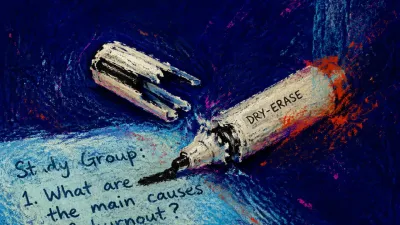
One Study-Group Question: Choosing Evidence over Self-Judgment
Topic:Study Tarot Reading
Struggle:Support Access Split
Context:Study Group Gatekeeping

Why the Side-Project Launch Keeps Moving: From Tweaks to Testing
Topic:Timing Tarot Reading
Struggle:Perfect Readiness Trap
Context:Launch Window Readiness

Productivity Theater in Your Side Hustle: From Tweaking to One Draft
Topic:Personal Growth Tarot Reading
Struggle:Feedback Disconnection
Context:Productivity Theater

A Recommendation Draft Rewritten Again: Sending Without a Verdict
Topic:Timing Tarot Reading
Struggle:Mentor Approval Lock
Context:Academic Resource Readiness

Peer-Review Deadline Panic Gave Way to Three Text-Linked Notes
Topic:Study Tarot Reading
Struggle:Performance-Worth Fusion
Context:Evaluation Pressure Loop

Three Job Tabs Closed at 10:45; Six Days Later, She Pressed Send
Topic:Introspection Tarot Reading
Struggle:Security-Identity Fusion
Context:Career Changer Reskilling

After a Public Breakup: A Seven-Day Boundary Toward Private Closure
Topic:Love Tarot Reading
Struggle:Metric-Compass Fusion
Context:Public Breakup Fallout

Cursor Over Publish: How One Progress Sample Kept the Future Open
Topic:Timing Tarot Reading
Struggle:Craft Ceiling Lock
Context:Premature Harvest Pressure

Two Apologies Deleted: From the Landlord Draft to Shared Coordination
Topic:Lifestyle Tarot Reading
Struggle:Responsibility-Authority Split
Context:Rental Maintenance Uncertainty

Study Streaks and Blank Answers: Letting Recall Redefine Progress
Topic:Study Tarot Reading
Struggle:Knowledge-Output Gap
Context:Academic Recovery Window