Locked Out of the Study Circle

A clear look at guarded study access, related tarot cards, and tarot reading insights from academic peer exclusion situations.

Study Group Gatekeeping
What is this situation?

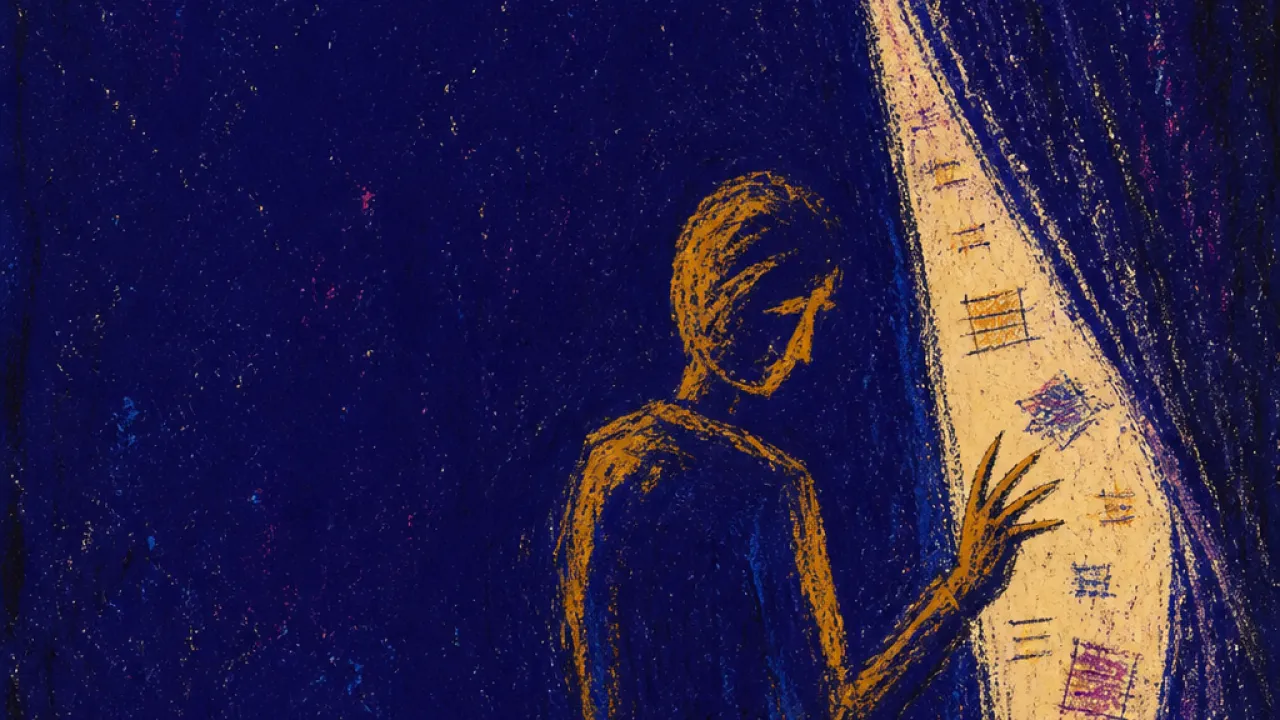
Study Group Gatekeeping — you join the course, lab, seminar, or cohort expecting the work to be hard, but not expecting the useful information to move through doors you cannot see. At first it looks small: people mention a shared Google Doc you were not added to, a WhatsApp or GroupMe thread where someone posted the practice answers, a study session that “just happened” after class, a lab partner swap that was quietly arranged before you knew partners were being chosen. You still attend lectures, read the material, submit the assignments, and try to ask normal questions, but the peer layer around the class keeps tightening without announcing itself. A few people become the center of the room; they trade deadline reminders, explain what the professor “really meant,” share old notes, warn each other about tricky problem sets, and compare drafts while the official class channel stays polite and thin. When you ask to join, the answer is vague: “we’re full,” “it’s kind of informal,” “someone else made it,” or no answer at all. The cost shows up in tiny delays: you hear about a quiz format too late, spend three hours solving something another group clarified in ten minutes, or walk into class and realize half the room is working from a map you never received. You are not outside the course, but you are outside the route where the course becomes manageable, much like The High Priestess seated before a drawn veil, with visible abundance behind the curtain and no open path into what is being kept there.

Why it's not you?

The problem is not that you are studying wrong or failing to “network” correctly; the problem is that the course’s support system is being routed through selective peer access. Private chats, guarded notes, closed study circles, and quiet lab alliances create an uneven learning field. That structure can affect performance before ability even gets a fair chance to show up.

Study Group Gatekeeping in Tarot Cards

Study Group Gatekeeping turns a course that looks open on paper into an environmental, structural dynamic where useful information moves through selective peer access. The tightness in your shoulders when another private chat gets mentioned is not random; it comes from watching support circulate just out of reach. The cards below do not decide who is right or wrong; they reflect the visible shape of a room where access, notes, and explanations are being routed through a guarded channel. These Tarot Cards map the edges of that academic gate.

The High Priestess Reversed
The High Priestess sits between pillars with the veil drawn behind her, creating a visible boundary between those outside the threshold and what circulates within. The pomegranates suggest abundance, but the abundance is patterned onto the curtain rather than shared into the foreground. In a study setting, that becomes the private group chat, hidden note exchange, selective study circle, or cohort backchannel where the useful explanations move before class, after class, and around class. You can see that resources exist, but the social route into them is controlled by group norms you may not have been invited to read. The card turns academic exclusion into a spatial fact. It shows how learning can be shaped by who gets access to the unofficial room, not only by who studies hardest once the official material is released.
The Empress Reversed
The garden is lush, but the throne and shield create a defined center that not everyone can enter. In class, that becomes shared notes, private group chats, lab partnerships, and study circles where resources circulate inside a boundary you may not be invited through. You are facing a social resource structure, not just a personality mismatch. The card makes the gate visible: academic support is flowing, but the flow is being routed through selective peer access.
The Hermit Reversed
The reversed Hermit's light is visible, but it is held from a distance by a solitary figure in a closed posture. The scene contains knowledge without open circulation, signal without mutual exchange, and a cold space between the person who has light and anyone trying to reach it. In academic settings, this becomes the study group, lab chat, cohort network, or informal note-sharing circle where access is uneven. The official course may look open, while the real explanations, past-paper lore, peer summaries, and deadline warnings move through a smaller social channel. The card names the gatekeeping structure without making you beg for entry. It shows why academic performance can be shaped by social access as much as raw ability, and why the first task is to see where information is being controlled rather than assuming everyone is working from the same map.
Two of Cups Reversed
The two figures form a complete pair in open ground, with the caduceus marking the space between them. From a distance, the exchange looks harmonious; structurally, it can also become a closed circuit. In academic life, that closed circuit appears when a study group, lab circle, cohort chat, or notes network quietly decides who gets access. You may be near the learning environment, but the real explanations, practice materials, and informal cues move through an inner channel you are not fully allowed to enter. The distant town shows why the gatekeeping matters. Academic stability often depends on informal support systems, and when those systems become selective, the cost is not just social discomfort; it is lost information, slower retention, and fewer chances to correct course.
Three of Cups Reversed
The close huddle of bodies and cups forms a ring before it forms a welcome. The resources are visible, the celebration is visible, and the harvest is visible, but access depends on being inside the circle at the right moment. For you, this maps to academic peer spaces where notes, past papers, explanations, group chats, and informal tips circulate through belonging rather than open access. The card makes the blockage concrete: the problem is not that resources do not exist, but that their pathway is socially guarded.
Ten of Cups Reversed
The family cluster occupies the center as a complete unit. Its bonds are visible, its gestures are coordinated, and the house behind it marks a place of belonging that is already established before anyone else arrives. In an academic setting, that closed completeness maps onto class chats, study circles, lab cohorts, and note-sharing networks that look informal but control real access. You are facing a social resource system where belonging determines who hears the reminders, gets the explanations, sees the drafts, and understands the unwritten rules.
Five of Swords Reversed
All three figures face away from one another, and the fallen swords create a hard line through the scene. Knowledge, leverage, and access are not moving across the group; they are held, dropped, or used to mark separation. In a study context, this becomes the class chat that stops sharing useful details, the lab group that keeps informal knowledge inside a clique, or the cohort where notes and explanations circulate only through protected friendships. The material may be the same for everyone, but the access layer is not. The card makes the gatekeeping visible as a spatial problem. You are standing in an academic field where support exists somewhere in the scene, but the routes to it are guarded by social positioning, past conflict, and unspoken rules about who gets included.
Seven of Swords Reversed
The two swords standing near the tents form a visible threshold, while the figure moves outside the shared center with most of the tools in his arms. The scene is not only about secrecy; it is about who gets to hold the resources when the group is supposed to be operating in the same field. In a study group, cohort, or lab team, that structure shows up when access to notes, explanations, practice problems, or instructor context becomes selective. The group may still look collaborative from the outside, but the flow of useful material is being narrowed by private alliances, quiet exclusions, or status inside the room. This card helps separate a real external dynamic from self-blame. You are not imagining the pressure if the academic support system exists in name while the practical resources are being held at the gate.
Four of Wands Reversed
The four wands create an inviting threshold, but in reversal the same frame can harden into a boundary around who gets to stand inside the celebration. The garlands connect certain points and participants, making inclusion visible while leaving the viewer at the edge of the structure. In academic settings, that becomes the informal control of learning access. Study groups, cohorts, labs, and class chats can quietly determine who receives notes, explanations, deadline warnings, revision tactics, and confidence from being included in the room. This context matters because the obstacle is not just social discomfort. It is a resource channel shaped by belonging, and the card helps identify where academic support has become mediated by group access rather than distributed through transparent structures.
Five of Wands Reversed
The bodies crowd the foreground while the wands cut across the central space. The field is technically open, but access to the working area is controlled by whoever already occupies it. In academic life, that becomes the study group, honors circle, lab clique, or class chat where notes and explanations circulate unevenly. You may be near the learning space without being fully allowed into its resource flow. Study Group Gatekeeping fits because the card shows contact without inclusion. The problem is not simply social discomfort; it is an external distribution pattern where peer access, informal explanations, and shared preparation become guarded.

Study Group Gatekeeping in Tarot Card Reading Insights

Study Group Gatekeeping often follows people into readings when the official class materials are available, but the useful explanations keep moving through smaller circles. The shift from cards to readings shows how others have brought this same academic access problem to the table. Tarot Reading Insights from sessions exploring guarded notes, private chats, and selective study circles.

Psychological contexts related to Study Group Gatekeeping