Can This Still Be Recovered?

A grounded look at academic setbacks, related tarot cards, and reading insights for the narrow window where next steps still matter.

Academic Recovery Window
What is this situation?

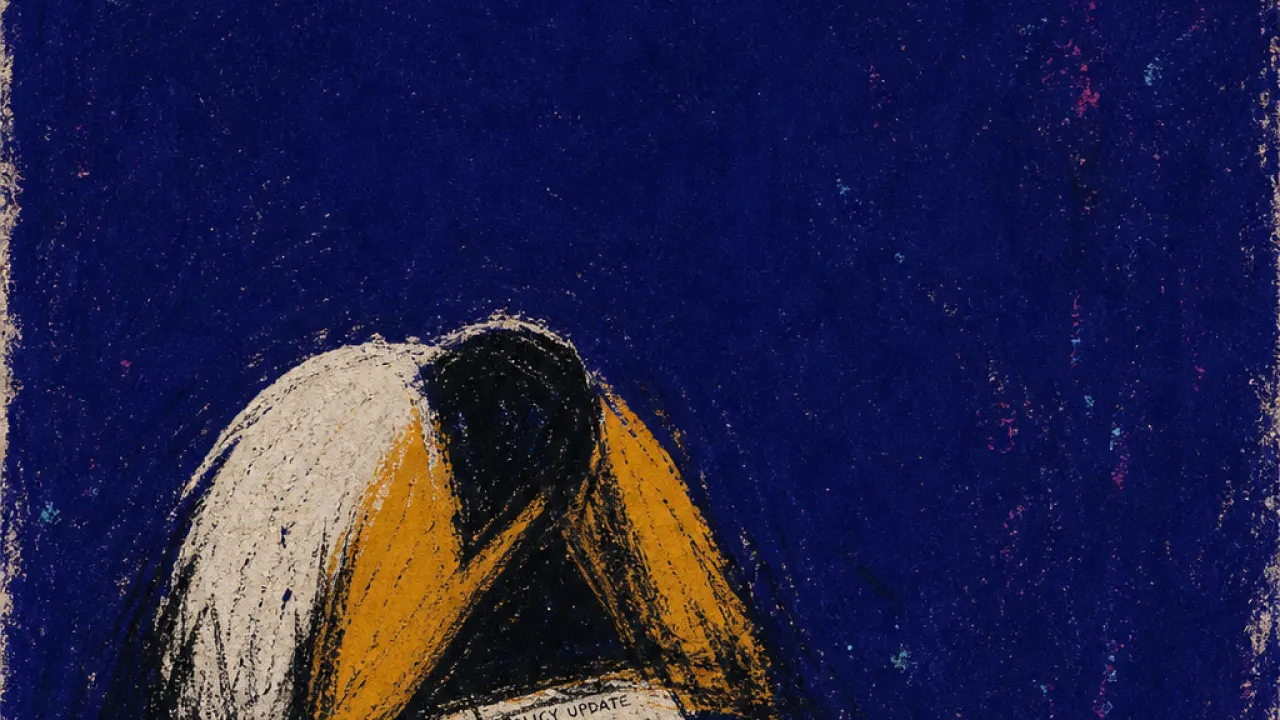
Academic Recovery Window — you enter it the moment the grade appears, the feedback document opens, or the email from your tutor, professor, supervisor, or department confirms that the attempt did not land the way it needed to. At first, everything is practical: the mark is posted on Canvas or Blackboard, the comments are in the margins, the retake rules sit somewhere in the student portal, and the next deadline is already moving toward you. Then the external machinery starts to show itself: office hours are limited, the resubmission form has a cutoff, your advisor has only one slot next week, your classmates are already talking about the next unit, and the academic calendar does not slow down just because this result has disrupted your footing. You are not dealing with a vague feeling about school; you are dealing with a narrow institutional corridor where a failed module, weak draft, missed checkpoint, rough critique, or stalled thesis chapter still has possible routes attached to it, but only if you can see them in time. Your days become a mix of rereading comments, checking policies, calculating what is still recoverable, rewriting schedules, sending careful emails, and trying to keep attending class while the previous attempt is still sitting in the room with you. The cost is not only the disappointment; it is the pressure of needing to act while you are still carrying the impact, much like the Five of Cups, where the spilled cups remain in front of the cloaked figure, yet two cups still stand behind them and a bridge remains visible across the river.

Why it's not you?

This is not a personal defect disguised as a grade. An Academic Recovery Window is created by deadlines, policies, feedback systems, retake rules, and limited access to support, all pressing on you at once after an academic setback. The difficulty belongs to the structure of that moment, not to some permanent flaw in you.

Academic Recovery Window in Tarot Cards

In an Academic Recovery Window, the pressure comes from the calendar, the grading system, and the limited routes still open after the setback has landed. The tight chest you feel when you reopen the feedback is tied to an environmental, structural dynamic: the institution has moved into its next phase, while you are trying to find the usable opening before it closes. These cards do not turn the setback into a verdict or a comeback script; they reflect the shape of the window itself. Here are the Tarot Cards that tend to mirror this kind of academic situation.

Five of Cups Upright
The figure stands near loss, but not inside a sealed room. Two cups remain upright behind the cloak, and the bridge across the river gives the card a visible recovery architecture rather than a closed ending. In academic terms, this is the narrow period after disappointing grades, difficult feedback, a failed module, or a weak draft where the next move still matters. The scene holds both the damage and the available route: retakes, supervisor meetings, tutoring, revised schedules, or a changed study strategy may still be part of the structure. The card does not turn the setback into a success story. It marks the recovery window as a real external stage, where the user's agency depends on seeing what remains usable before the academic system moves on.
Six of Cups Upright
The cup is offered in a safe courtyard, not in an exposed public square. The past is brought forward in a contained form, which makes the scene less about perfection and more about a protected second contact with something already known. In study, that becomes the retake, resubmission, office-hour reset, feedback review, or revised draft that creates a real recovery window after an academic setback. You are not being asked to erase the previous attempt; the structure shows a bounded place where old material can be rehandled with more support and less exposure.
Five of Pentacles Upright
The wrapped foot, crutch, and steady movement through snow show a body that is not fully restored but is still moving. The bright pentacles in the church window add a second fact: support is not absent, but it has to be approached from a position of depletion. In an academic setting, this maps to the stretch after a failed exam, stalled thesis chapter, rejected draft, or lost semester rhythm. You are not shown at the finish line; you are shown inside the recovery corridor where the next useful resource is visible, close, and still difficult to reach.
Seven of Pentacles Reversed
The harvested coin is separate from the vine, but it is not the whole crop. The figure still stands at the edge of the plant, and the distant horizon remains visible beyond the garden, keeping the scene inside a longer developmental timeline. Academically, this is the narrow recovery window after a weak grade, stalled draft, missed checkpoint, or slow semester. One result may be sitting at your feet, but the rest of the term, project, or learning cycle has not yet been fully determined by it. The card makes recovery concrete by showing a result as data rather than a final verdict. It points toward recalibration: which part of the system needs replanting, which part still has growth, and where time remains usable.
Three of Swords Upright
Rain falls through the gray field while the wounded heart remains visible around the blades. The scene does not erase the academic impact; it holds the grade, rejection, failed submission, or hard critique in full view so the next phase can be named accurately. That visibility is what makes this an Academic Recovery Window rather than a vague hope of bouncing back. The calendar, resubmission rules, office hours, feedback notes, and remaining credits become the real-world frame around the wound. The card points to the moment after impact when the system is still movable. You are not outside the academic structure yet; the important question is which parts of the structure still respond to repair, revision, or strategic pause.
Four of Swords Upright
The armored knight lying flat on the tomb-like slab shows a capable role-holder removed from active battle without being stripped of identity. The three swords remain on the wall and the fourth stays beneath the body, so the pressure has not vanished; it has been contained long enough for the system to stop demanding output. In an academic setting, that image maps cleanly onto a recovery window after sustained coursework, exams, applications, or research pressure. You are not looking at laziness or failure; you are looking at a structured pause where the real task is to rebuild cognitive capacity before the next round of study demands claims it again.
Six of Swords Upright
Six swords standing in orderly rows at the front of a small boat make the crossing feel planned rather than dramatic. The woman and child sit low while the ferryman applies steady force, so movement depends on a contained system: someone rows, the mental load stays visible, and the far shore remains a working target rather than an instant arrival. In school, this maps to the stretch after a bad grade, failed attempt, stalled chapter, or disrupted semester when the task is not to erase what happened but to move it into a structure that can carry it. You are not being asked to sprint back into performance; the card highlights a recovery window where feedback, routine, and calmer repetition become the bridge back to academic motion.
Eight of Swords Upright
The swords stand close, but they do not touch the woman; the bindings are cloth, not metal. The scene is constrained, yet the image leaves small physical openings where movement can begin. In academic recovery, that distinction matters. A poor grade, missed deadline, weak draft, or stalled semester can feel total from inside the circle, while the actual system may still contain resubmission routes, feedback opportunities, extension policies, office hours, or one remaining assessment window. The card frames recovery as a narrow but real passage. It does not deny the pressure around you; it clarifies that the next academic move has to be specific, timed, and grounded in the openings that still exist.
Ten of Swords Upright
A thin yellow horizon sits underneath the dark sky, and the river remains calm beside the fallen body. The card's harshness is undeniable, but the landscape still contains a line of orientation after the impact has stopped. In academic life, that is the recovery window after a failed exam, rejected draft, missed deadline, or collapsed study cycle. The event has already landed, so the task is no longer to prevent it; the task is to use the pause to identify what can still be repaired, resubmitted, retaken, or rebuilt. The body is not moving yet, and that matters. This is not a card of instant productivity. It shows the first usable space after academic damage, where clarity returns only when the student stops trying to outrun the result and starts reading the landscape that remains.
Nine of Wands Upright
The white bandage and the upright posture sit together in the same image: damage is visible, but the figure is still standing on solid ground with a wand available as support. The wall behind him is not perfect, yet it remains intact enough to create a working perimeter. In study life, this matches the period after a failed test, missed deadline, rejected draft, or rough semester when you are not starting from zero but cannot pretend nothing happened. The academic system is still there, the tools are still present, and the next step has to account for the mark left by the previous round. The card frames recovery as a real external window rather than a mood. You are dealing with a schedule, a grading timeline, and a support structure that can be used more deliberately once the previous setback is treated as data instead of a permanent label.

Academic Recovery Window in Tarot Card Reading Insights

When an Academic Recovery Window opens after a weak grade, missed checkpoint, failed module, or hard critique, other students have brought that same timed pressure into readings. The focus shifts from the cards themselves to what appears when someone sits with the remaining options, deadlines, and support routes. Tarot Reading Insights from sessions shaped by academic recovery pressure.
Psychological contexts related to Academic Recovery Window