Still on trial inside?

A clear audit of the Self-Judgment Loop, the tarot cards that mirror it, and reading insights that show its patterns.

Self-judgment Loop
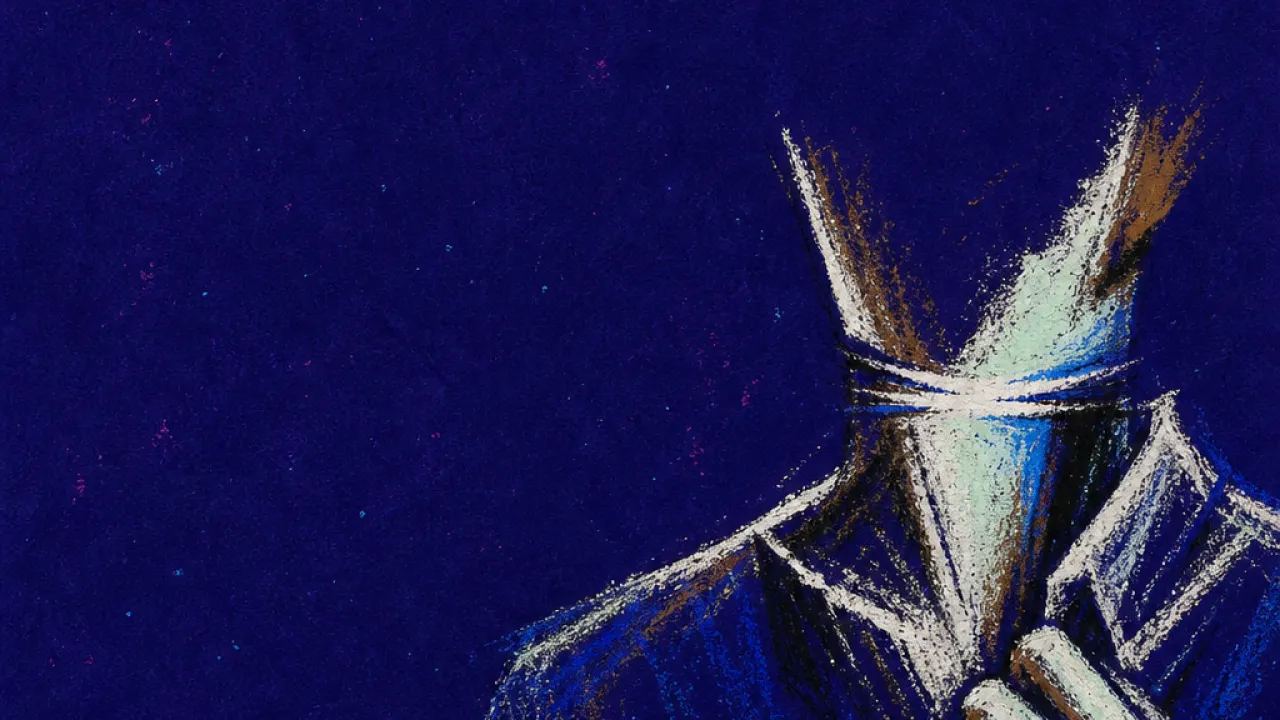
What is this really?

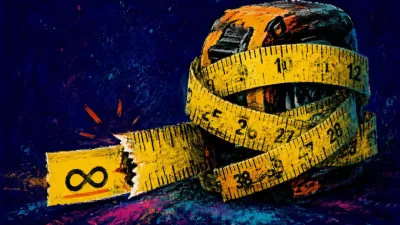
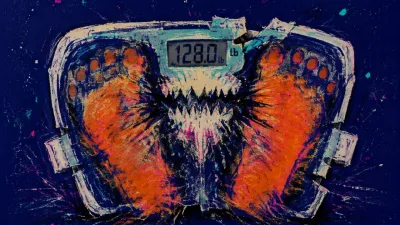
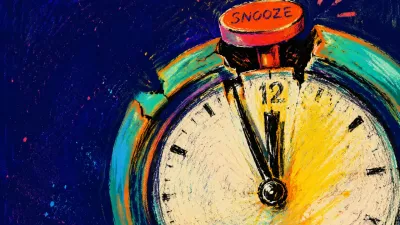
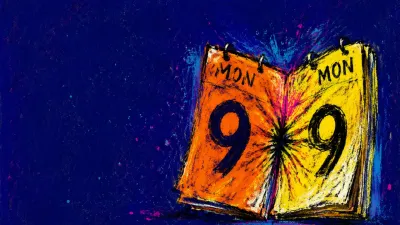
You replay old choices, awkward comments, feedback, delays, and relationship moments as if each detail were evidence in an internal courtroom, checking whether it proves you were careless, selfish, behind, or not enough. Underneath that loop, you are trying to create accountability, reduce cognitive dissonance, and keep the future from blindsiding you by finding the one clean verdict that would finally let you move. But the more you review, the less review feels like learning; it starts to pin your whole self beneath the past, much like Judgement, where the trumpet calls pale figures out of open graves and every hidden history is forced into view.

Why did it happen?

There may have been a time when going back over every detail helped you stay steady: you learned that if you could spot the wrong move fast enough, you might avoid the next wave of shame, conflict, or disappointment. Now that same inner pattern can keep sounding the alarm after the useful information has already arrived, turning ordinary reflection into a private trial that leaves you mentally drained, tense in the body, and unsure how to take the next honest step.

How does it feel?

  • After a meeting, you keep the laptop open even though the call has ended, replaying one sentence while your cursor hovers over the follow-up email... a small heat may climb into your face, and your shoulders stay lifted as if the room is still watching. You can let the reaction be present without turning it into a verdict.
  • You read a text thread for the third time, thumb pausing over a single message while you check the punctuation, the delay, the exact length of your reply... your breathing may get shallow, and your stomach can tighten before you even know what you are looking for. Not knowing how it landed is allowed to exist for a moment.
  • When you make a small mistake at work or school, you sit very still and open the file again, scanning the same paragraph or comment as if another pass will settle it... behind your eyes, there may be a dry, buzzing pressure, like your attention cannot blink. You do not have to force a clean answer right away.
  • Alone at night, you turn the light off and then pick up your phone again, not to do anything new, but to reopen the moment you wish had gone differently... your jaw may lock, and your chest can feel pinned between the need to sleep and the need to review. It is okay to pause before entering the loop again.
  • When someone gives you neutral feedback, you nod quickly, smile in a controlled way, and say, "Yeah, totally," while your hand closes around your sleeve or cup... a tightness may gather in your throat, as if your body is trying to speak and hold back at the same time. The tightness can be noticed without being cross-examined.

Self-judgment Loop in Tarot Cards

That reflex to reopen the moment you wish had gone differently is the Self-Judgment Loop in motion. The tightness in your throat, the locked jaw, the cursor hovering over the follow-up email: the body often registers the inner courtroom before the mind names it. From a Jungian archetypal theory perspective, this pattern can be understood as a confrontation with judgment imagery turned inward. The cards below reflect the unconscious dynamics of review becoming prosecution: Tarot Cards connected to this pattern.

Judgement Upright
The angel's trumpet cuts across the cold blue field while the figures rise from open coffins with their arms lifted toward a signal they did not create. The whole image is arranged like an inner audit, with a summons from above, bodies pulled upright, and no private space where the figures can step outside the moment of review. That visual structure mirrors a mind that has turned feedback into a recurring tribunal. Instead of using a grade, comment, or exam mistake as information, the psyche keeps replaying it as if the scene must be heard again until a final verdict appears. In study, this pattern can make You review work without actually learning from it. The academic signal becomes too loud, and the reflective function that should support growth becomes a loop of self-evaluation that drains the attention needed for the next task.
Reversed
The trumpet is high above the figures, and its sound turns the whole grave field into a scene of reckoning. Pale bodies rise exposed, with no clothing, tools, or distractions to soften what is being revealed. Self-Judgment Loop appears when inner review becomes an endless trial. You are shown how a growth setback can be processed as evidence against the whole self rather than as information about one behavior, turning the call to wake up into a cycle of self-prosecution.
Five of Cups Upright
The figure stands before the spilled cups like a witness who has not left the scene after the verdict. The body keeps looking at the same evidence, while the bridge, castle, and two standing cups remain outside the main act of attention. Self-Judgment Loop fits because the image shows review becoming self-prosecution. The psyche returns to the loss-site not only to feel it, but to keep confirming what should have been done differently, what should have been saved, or what the mistake supposedly proves. In introspective work, this pattern often disguises itself as accountability. The card makes the cost visible: judgment can feel like order, but when it repeats without integration, it keeps the inner world organized around punishment instead of repair.
Reversed
When the Five of Cups is read through its reversed pressure, the bowed head and black cloak no longer look like a temporary mourning posture. They become a locked position, a body still bent over the scene after the first wave of feeling has already passed. The spilled cups remain the evidence, but the cloak turns inward and makes the person themselves feel like the problem. That is the mechanism of the Self-Judgment Loop. In friendship conflict, the mind can move from “something hurt me” to “something must be wrong with me,” then keep returning to that verdict for confirmation. A delayed reply, an awkward group moment, or a friend's distance becomes less about the actual relationship and more about an internal prosecution. The reversed card makes the cost visible because the loop consumes the energy that could have gone into discernment. You may need to know whether the friendship is mutual, whether a boundary changed, or whether repair is possible, but self-judgment keeps dragging the inquiry back to identity. The pattern does not create clarity; it turns pain into a private sentence.
Six of Pentacles Reversed
The scales hang in the benefactor's hand while the coins fall in a controlled stream, making the whole scene feel like a judgment process that has been slowed down and made public. The kneeling figures do not simply receive; they wait under evaluation. The physical arrangement turns need into something that must pass through a visible test before it can be met. When this image tilts inward, the judging figure becomes an internal evaluator. You may find yourself weighing every feeling before allowing it space: whether the sadness is reasonable, whether the anger is fair, whether the exhaustion is deserved, whether the need is too much. The defense mechanism is trying to prevent chaos by applying standards, but the cost is that care gets trapped inside a loop of self-cross-examination. Self-Judgment Loop is the point where discernment stops clarifying and starts consuming psychological bandwidth. The clear sky above the card suggests that space exists, yet the human field below remains compressed around the scales. That is the inner pattern this card exposes: relief is possible, but the mind keeps holding court before it lets the self receive it.
Two of Swords Reversed
The blindfolded woman sits alone on a stone slab, with both swords held across her chest like instruments of judgment. The image is quiet, but it is not soft; the whole body is arranged as if the inner world must be evaluated before it can be trusted. That is the architecture of a Self-Judgment Loop. You may turn every feeling into a test of whether you are healed enough, mature enough, spiritual enough, or rational enough, until introspection becomes another tribunal. The card exposes the cost of that private assessment chamber. When every inner signal has to defend itself, the psyche cannot integrate; it can only keep presenting evidence to a judge that never fully adjourns.
Three of Swords Upright
Each sword enters from a different angle, but all three meet at the heart's center. The image turns separate lines of thought into one repeated act of inner piercing, as if every interpretation must end in the same verdict. That is the mechanics of a Self-Judgment Loop. In a direction reading, uncertainty about the future stops being a navigational problem and becomes a trial about your worth, discipline, intelligence, or whether You have already fallen behind. The even geometry of the swords makes the loop feel rational because every angle seems to support the same conclusion. The pattern keeps converting life-direction questions into self-prosecution, so the energy that could map a route gets spent proving that the wound says something final about You.
Reversed
The heart is not merely struck; it is pinned in place by the blades. The surrounding rain and clouds make the wound feel like the whole weather system, while the symmetry of the swords gives the injury the false authority of order. Self-Judgment Loop forms when the mind turns pain into an internal case against itself. Instead of registering hurt as information, the system keeps asking what you should have known, should have prevented, or should have been strong enough to absorb. You may experience this as introspection that feels responsible on the surface but punitive underneath. The card shows why the loop is so convincing: the wound has structure, so the mind mistakes repeated judgment for truth.
Five of Swords Reversed
The figure's face is arranged into a controlled smile, but his hands still grip weapons and his body remains staged in the aftermath. The scene looks resolved on the surface, yet every visible object says the conflict is still active. When that posture turns inward, the psyche can become both victor and accused. One part of the self holds the swords, another part walks away with its head bowed, and the mind keeps replaying the scene as if harsher judgment will finally create accountability. The result is not repair; it is a repeated internal prosecution. Self-Judgment Loop appears when you confuse punishment with self-awareness. The card shows why the loop feels so convincing: it gives the mind a sense of control, proof, and moral order. But the emotional field remains desolate because the judged part of you is being defeated rather than understood.
Nine of Swords Upright
The figure hides her face from the room, from the viewer, and almost from herself. The swords do not simply hover above her; they cross the zones of thought, voice, and heart, turning the whole upper body into a site of inward accusation. Self-Judgment Loop appears when personal growth stops being a developmental process and becomes an internal verdict. A missed habit, a slow week, or an imperfect attempt is no longer information; it becomes evidence that the self is fundamentally behind or defective. The darkness around the bed matters because no external corrective reality enters the scene. The card links to this pattern by showing a private chamber of judgment where the mind supplies the charge, the witness, and the sentence all at once.
Reversed
The figure's posture is stuck between waking and collapsing, with the hands returning to the face as the swords hold their fixed line above. The scene offers no doorway, window, or alternate direction; the dark field compresses attention back into the same inner chamber. Self-Judgment Loop appears when the mind uses pain as evidence for another round of judgment. Each internal verdict creates more distress, and that distress is then interpreted as proof that the verdict must be true. The body shows the cost of this closed circuit: upright enough to keep auditing, exhausted enough to gain no relief. For introspection, this pattern marks the difference between accountability and endless sentencing. You may be trying to understand what went wrong, but the loop keeps converting every insight into another reason to condemn yourself.
Ten of Swords Upright
The blades are not scattered; they are arranged along the spine with disturbing precision, as if the attack has been organized into a verdict. The turned-away face removes any softening expression, leaving only the body as evidence under a dark sky. That visual logic mirrors an inner audit that has stopped seeking truth and started building a case. You may call it honesty or accountability, but the pattern reveals a harsher mechanism: every private flaw becomes another blade, and self-reflection turns into sentencing rather than understanding.
Reversed
The face is turned away, so the scene denies access to expression, nuance, or motive. What remains is a body identified almost entirely by the visible evidence of collapse. That is the mechanism of the Self-Judgment Loop in a lifestyle field. You may turn practical data into identity evidence: a messy room means failure, poor sleep means weak discipline, inconsistent habits mean something is wrong with You. The system stops auditing the structure and starts sentencing the self. The Ten of Swords makes that substitution visible. The damage is real, but the hidden face warns against letting the damage become the whole identity; the pattern keeps using lifestyle breakdown as proof of personal defect instead of information about overload, design friction, and resource mismatch.
Page of Swords Reversed
The Page's serious expression, raised sword, and exposed stance make the body look as if it is standing guard and standing trial at the same time. His gaze does not soften into curiosity; it tightens into scrutiny, with the blade ready to define what is acceptable. Self-Judgment Loop turns that scrutiny inward. You may inspect every feeling for what it proves about your worth, maturity, or hidden motives, then return to the same verdict-making process again. The pattern keeps promising moral clarity, but it often blocks the quieter information that would actually help the feeling integrate.
Queen of Swords Reversed
The sword rises beside a face that is already severe, and the Queen's upright posture gives the whole body the quality of a tribunal. Her extended hand does not soften the scene; it appears to measure, stop, or summon evidence into the court of the blade. When this structure turns inward, self-awareness can become a loop of evaluation. You may revisit the same motive, reaction, or memory not to understand it, but to decide whether it proves something negative about you. Self-Judgment Loop is the reversed pressure of the Queen's clarity: the mind keeps asking for truth, but the process has become sentencing rather than seeing. The card exposes where inner order is being maintained through repeated self-prosecution.
King of Swords Reversed
The raised sword can look decisive, but reversed it becomes a gesture that keeps repeating the same verdict. The visual field is narrowed around a single blade, a single line, a single standard of evaluation. The king's stillness then stops feeling like composure and starts feeling like an inner court that never adjourns. That is the mechanism behind Self-Judgment Loop. In introspection, You may keep returning to the same question after every trigger: what was wrong with me, why did I react, why am I not cleaner, calmer, better. The sword promises resolution, but the loop uses judgment to reopen the wound. The card reveals how insight can become punishment when the mind confuses self-audit with self-sentencing. The pattern is not the desire to improve; it is the compulsive reissuing of a verdict when the psyche actually needs contact, context, and integration.

Self-judgment Loop in Tarot Card Reading Insights

For anyone who keeps reopening the moment they wish had gone differently, others have brought that same inner courtroom into readings. The view now shifts from the cards themselves to what surfaced when this pattern entered a spread. Below are Tarot Reading Insights that speak to this loop.

Psychological patterns related to Self-judgment Loop