Can Your Work Still Hold?

Explore the lived feeling of AI Replaceability Dread, related tarot cards, and tarot reading insights from sessions.

Ai Replaceability Dread
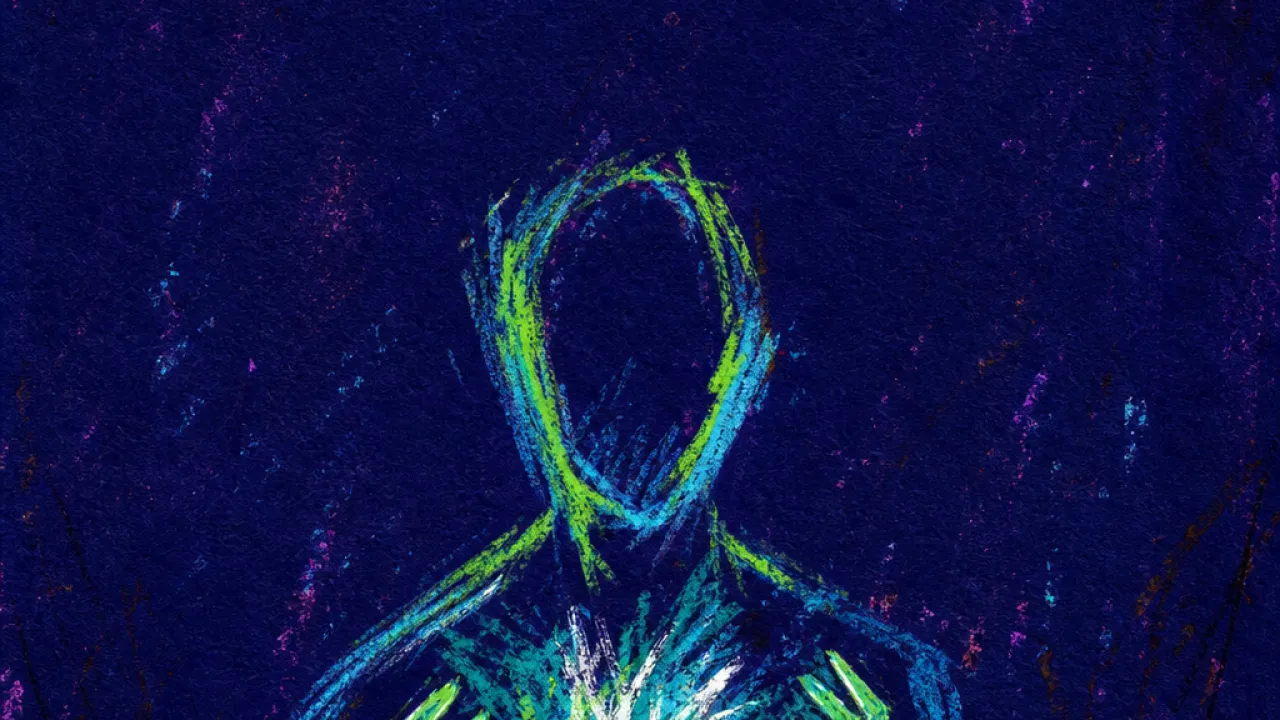
A solitary figure with tense hands near a keyboard, acid green light pressing into deep indigo space

What does this feel like?

AI Replaceability Dread — you feel it as a small electric drop in your stomach when a new tool, update, or headline makes your work feel suddenly lighter than it used to, like something you spent years building could be copied before you can even explain why it matters. Your chest gets tight, your jaw locks, and your hands hover over the keyboard with a strange hesitation, because the thing you used to trust — your taste, your speed, your voice, your eye for detail — now feels like it is being silently compared to something that never gets tired. It follows you into ordinary moments: checking job posts, rewriting a sentence three times, watching someone praise an AI output and feeling your body go still before your face catches up. You may keep working, but part of you is scanning for signs that your place is shrinking, that the room has become colder, faster, more automated, and you are trying to prove you are still needed without sounding like you are begging to stay. The inner voice is not dramatic; it is quieter and worse: what if the thing I am good at is no longer enough, what if the part of me I worked so hard to sharpen can be flattened into a button, what if everyone moves on and I am the last one still caring about the human texture of the work? It is dread with a fluorescent edge, tight and future-facing, much like the figure on the Eight of Pentacles bent over the workbench, each crafted coin visible, as if the only way to feel solid is to keep proving that a human hand was here.

Why you're feeling this?

AI Replaceability Dread makes sense when something you care about begins to feel less stable in your own mind. You are not wrong for feeling shaken by that. A part of you is trying to protect the value, effort, and identity you have placed into your work.

Ai Replaceability Dread in Tarot Cards

AI Replaceability Dread often sits in the body before it becomes a thought: the jaw tight, the chest buzzing, the hands hovering over the keyboard like your own skill is under review. That tight, electric pressure belongs to a universal emotional experience of wondering whether your effort still has a visible place. Tarot can give that dread a shape without turning it into a verdict. Here are the Tarot Cards that tend to mirror AI Replaceability Dread.

Wheel of Fortune
Upright
A large wheel turns at the centre while figures rise, descend, and cling around its rim; the winged figures in the corners remain outside the immediate motion. The circular structure and changing positions make external cycles visible, especially the unsettling fact that no role on the wheel stays fixed forever. Upright, your dread is placed inside a period of rapid technological rotation rather than treated as a private failure to keep up. New releases and market shifts may genuinely alter timing, but the card distinguishes a moving cycle from the belief that you must predict every turn to remain worthy. It holds the emotional tension between responding to a real window of change and letting the speed of the cycle dictate your entire sense of human value.
Death
Upright
The skeletal rider advances beyond a fallen crown while a rising sun remains framed by distant towers. The scene removes an old identity's authority but preserves continuity at the horizon, showing transformation as a change in organising form rather than annihilation of everything valuable. Upright, your dread points toward a cognitive transition from defining yourself by a repeatable task to recognising the perception, ethics, relationships, and judgment carried through that task. This does not romanticise technological disruption or require gratitude for it. The card simply reveals that growth becomes possible when the ending of one professional self-description is no longer mistaken for the ending of the self who developed it.
The Devil
Upright
The chained human figures stand beneath an enlarged authority that keeps their attention fixed on a narrow hierarchy of power. Their restraints are visible and loose, making the image especially suited to a belief system that feels absolute until its terms are consciously named. Upright, your growth edge appears where self-development has been captured by the demand to remain economically superior to a machine. Every course, optimisation, or new tool can become another attempt to earn permanent safety through usefulness. The card reveals that no amount of improvement can satisfy a system whose standard is tirelessness, allowing cognitive growth to begin with naming the equation rather than endlessly trying to win it.
The Tower
Upright
Lightning tears into a crowned tower, fire escapes through the windows, and human figures fall as the structure opens under force. The crown and height make the building resemble established professional status, while the strike embodies a technological disruption arriving from outside the existing hierarchy. Upright, your dread belongs to a career assumption that has been abruptly destabilised: specialised work will remain scarce, experience will protect seniority, or quality will always be legible to decision-makers. The card witnesses the shock without treating collapse as identity. What has been struck is a structure linking one form of work to permanent security, and naming that distinction keeps the disruption from becoming a verdict on every capacity you possess.
The Moon
Upright
A path runs between two towers beneath a moonlit sky while a dog and wolf react at its edges and a crayfish rises from dark water. The uncertain light, divided animal responses, and long road create an inner landscape where instinct detects threat before the conscious mind can determine its scale. Upright, your dread lives in ambiguity: no one can tell you exactly which roles will change, how quickly, or what human work will remain valued. Your body may therefore react to every headline as if it contains the missing verdict. The card lets uncertainty stay uncertain, revealing how projection fills the dim spaces between real technological signals and the feared disappearance of your voice.
Two of Pentacles
Upright
A figure keeps two pentacles moving inside an infinity loop while ships rise and fall on exaggerated waves behind him. The juggling body, the endless circuit, and the unstable sea create a physical image of continuous adaptation with no clear point at which the system can safely stop. Upright, your dread is being managed through motion: another platform, another workflow, another efficiency demand folded into an already crowded day. The flexibility is real, but so is the hidden cost of treating every AI update as an urgent test of relevance. The card witnesses a lifestyle organised around staying afloat, where adaptability can support you while also concealing how little stability you feel.
Three of Pentacles
Reversed
A craftsperson stands beneath carved pentacles while two people consult plans and examine the work inside a formal structure. Reversed, the same review scene loses mutual recognition: expertise is present, but the system evaluating it can no longer reliably distinguish skilled judgment from generic deliverables. Your dread centres on whether managers, clients, and collaborators can still see what you contribute beyond output volume. When AI work is praised without attention to context, authorship, or quality control, professional recognition feels detached from actual competence. The card exposes the workplace mechanism behind the fear: replaceability intensifies when the people controlling opportunity stop naming the specialised human contribution already in the room.
Four of Pentacles
Upright
A seated figure presses one pentacle to his chest, balances another on his crown, and pins two beneath his feet while the city remains behind him. The closed posture and total physical contact with the coins make security look protected but immobile. Upright, your dread grips the job, title, workflow, or specialised niche that currently proves you are economically needed. Holding tightly can preserve resources during real uncertainty, yet the card reveals the emotional cost when every experiment or boundary feels capable of loosening your place. Career security becomes something clutched against the body rather than something supported by a wider range of capacities and relationships.
Five of Pentacles
Upright
Two injured, poorly protected figures move through snow outside a glowing stained-glass window marked by five pentacles. The cold street, physical strain, and inaccessible warmth turn economic exclusion into a bodily atmosphere rather than an abstract possibility. Upright, your dread is visible as fear of being left outside the systems that provide income, status, and basic security. Automation headlines or shrinking opportunities may activate a real scarcity concern, but the card also shows how anticipated exclusion can make support, transferable value, and remaining access difficult to perceive. It holds the financial stakes honestly while refusing to equate occupational displacement with personal worthlessness.
Seven of Pentacles
Upright
A learner-like worker pauses beside a vine bearing seven pentacles, resting on his tool while assessing what sustained cultivation has produced. The waiting body, growing crop, and unfinished timeline make delayed return visible in a culture demanding immediate usefulness. Upright, your dread can be held as an honest evaluation of what to study and why. Degrees, courses, and self-directed practice require time, while AI development makes their future value feel unstable before the learning is complete. The card reveals the deeper study anxiety: you are not simply impatient for results; you fear the knowledge may be economically outdated by the time it becomes embodied.
Reversed
The worker leans on his tool before a vine heavy with pentacles, surrounded by the visible results of long cultivation. Reversed, the pause hardens into a painful audit: the harvest exists, yet it no longer seems able to justify the time, money, and identity invested in producing it. Your dread becomes a career return-on-investment crisis. Years of training can feel stranded when automated systems imitate the visible product without carrying the apprenticeship behind it, and frustration may swing between frantic reskilling and the urge to abandon everything. The card names the blocked emotional logic: market uncertainty is being interpreted as proof that your accumulated effort was foolish, even though the effort and the current reward system are not the same thing.
Eight of Pentacles
Upright
The seated artisan works one pentacle at a time while earlier pieces remain displayed in a clear sequence. The hand tool, visible repetitions, and distant town portray learning as embodied accumulation: understanding is built through attention, correction, and contact with the material. Upright, your dread enters study as a question about whether slow learning still deserves investment when AI can retrieve or generate answers instantly. The card keeps learning connected to developed judgment rather than raw output speed. It reveals that the emotional pressure is not only to know more, but to prove that absorbing knowledge changes what you can perceive and decide in ways a generated answer does not automatically demonstrate.
Reversed
The artisan, bench, tool, and ordered pentacles display a complete system of identity through practice: value is made visible one refined object at a time. Reversed, that system stops producing inner solidity because the work is measured against instant replication rather than against embodied learning and chosen standards. Your growth becomes blocked when every skill is pursued primarily to avoid obsolescence. Improvement then feels urgent but strangely empty, and the distance between your actual values and your optimisation routine widens. The reversed card reveals the cognitive upgrade required by the dread: mastery cannot remain only a market defence if it is also meant to sustain agency, authorship, and a meaningful relationship with your own work.
Two of Swords
Upright
A blindfolded figure sits before a dark, rocky sea with two swords crossed tightly over her chest. The covered eyes, defensive symmetry, and blocked shoreline turn decision-making into a posture of self-protection rather than open evaluation. Upright, your dread is held in a deliberate pause between options such as adopting the tools, resisting them, retraining, or leaving a field you still care about. The pause can keep panic from making the decision, but it also reveals why every option feels contaminated: each seems to require either surrendering human texture or risking exclusion from the future. The card witnesses the stalemate without forcing false certainty, making room to distinguish value conflict from simple indecision.
Seven of Swords
Upright
A figure carries five swords away from a camp while looking back, leaving two blades standing behind. The stealthy removal, divided set, and distant tents create an image of value extracted from a community without transparent consent or full acknowledgement. Upright, your dread centres on work being copied, absorbed, or reproduced before you can explain the judgment and lived experience inside it. The card connects replaceability fear with an authorship wound: the visible product can be taken while the human process is left behind and treated as irrelevant. It also reveals why the threat feels personal even when described as innovation; the anxiety concerns not only competition, but whether the system can extract your contribution while making its source disposable.
Eight of Swords
Upright
A bound and blindfolded figure stands among eight swords, separated from a distant castle by wet, uneven ground. The enclosure looks total from her position, but its open gaps reveal how narrowed perception can become part of the confinement. Upright, your inner world has organised AI disruption into a closed identity statement: if a system can imitate the task, there is nowhere left for your human value to exist. The card respects the external pressure while exposing the cognitive compression inside that conclusion. Your dread is not fabricated, but it is holding several distinct questions about employment, authorship, meaning, and competence inside one word: replaceable.
Nine of Swords
Upright
A figure wakes in darkness and covers their face while nine swords form an unbroken row across the wall. The bed should hold rest, yet the sharp repetition overhead turns the inner room into a display of thoughts that cannot be switched off. Upright, your dread is visible enough to be witnessed rather than silently obeyed. The mind keeps generating future scenes in which your voice, income, and expertise become unnecessary, attempting to gain control by rehearsing pain before it arrives. The card names that internal structure with precision: real uncertainty has entered the psychological cache, where it repeats as if frequency could turn prediction into protection.
Page of Swords
Upright
The Page holds a raised sword while wind moves through his hair, clouds, and the trees behind him; even his stance turns back as though new information could arrive from any direction. The exposed ground and alert posture create a nervous information environment in which attention never fully settles. Upright, your dread becomes watchfulness: checking launch announcements before breakfast, scanning job posts, and reading every productivity claim for signs that your role has changed overnight. Curiosity may help you understand what is actually shifting, but the card also shows how an ordinary information habit can become a relevance alarm that follows you through the day. The emotional task is visible in the posture itself: staying informed without making permanent vigilance the price of belonging to your field.
Two of Wands
Reversed
A figure holds the world in one hand while standing between two wands on a high battlement, looking across towns, water, and distant land. The globe promises reach, but the stone wall and fixed vantage point show how possibility can remain observed rather than entered. Reversed, the horizon becomes psychologically congested by fear of choosing a path that automation may devalue next. You can see many possible directions while trusting none of them enough to move, because planning itself feels vulnerable to a faster external system. The card grows the blockage from the same physical scene: the world is available, yet your attention stays trapped at the boundary, trying to guarantee relevance before taking a step that cannot be guaranteed.
Six of Wands
Reversed
A laurel-crowned rider passes through a crowd while carrying another wreath high above the surrounding wands. Reversed, the recognition remains visible but becomes precarious: public approval no longer feels like stable evidence of professional value. Your dread sharpens around promotion, reputation, and whose work receives credit in an AI-saturated workplace. Even praise can feel temporary if you suspect the next efficiency comparison will remove the distinction that earned it. The card exposes a career hierarchy in which visibility has become a moving metric, leaving you to fear that recognition belongs to scalable output rather than to the person exercising judgment.
Eight of Wands
Upright
Eight wands cut across an open sky toward the ground, with no visible person controlling their speed and no obstacle slowing their arrival. The compressed direction of travel and clear landscape create the sensation of developments already in motion before you have had time to orient. Upright, your dread is triggered by velocity itself: another launch, another benchmark, another message announcing that a familiar task now takes seconds. The card makes the timing pressure objective without converting it into a command to accelerate endlessly. It reveals how fast information can collapse reflection time, leaving your body to interpret each incoming development as evidence that your professional place is disappearing.
Ten of Wands
Upright
A worker carries ten wands in a dense bundle, bending forward as the load blocks his face and the path toward town. The work is moving, but the person has become almost indistinguishable from the burden he is transporting. Upright, your dread is metabolised through career overfunctioning: absorbing extra roles, accelerating delivery, and staying permanently available so replacement appears less economical. The card reveals the hidden bargain in that strategy. By trying to prove that one human can carry everything, you may accept the same dehumanising standard that made AI comparison frightening in the first place.

Ai Replaceability Dread in Tarot Card Reading Insights

AI Replaceability Dread can follow someone into a reading as that same tight pause before they send the message, open the laptop, or look at their work. Others have brought this exact fear of being outpaced into readings, letting the cards hold the pressure without forcing an answer. Tarot Reading Insights from sessions shaped by AI Replaceability Dread.
Psychological Emtions Related to Ai Replaceability Dread