Allowed, Or Just Risky?

Explore unclear AI rules in academic work, related tarot cards, and reading insights from students facing shifting standards.

Ai Policy Grey Zone
What is this situation?

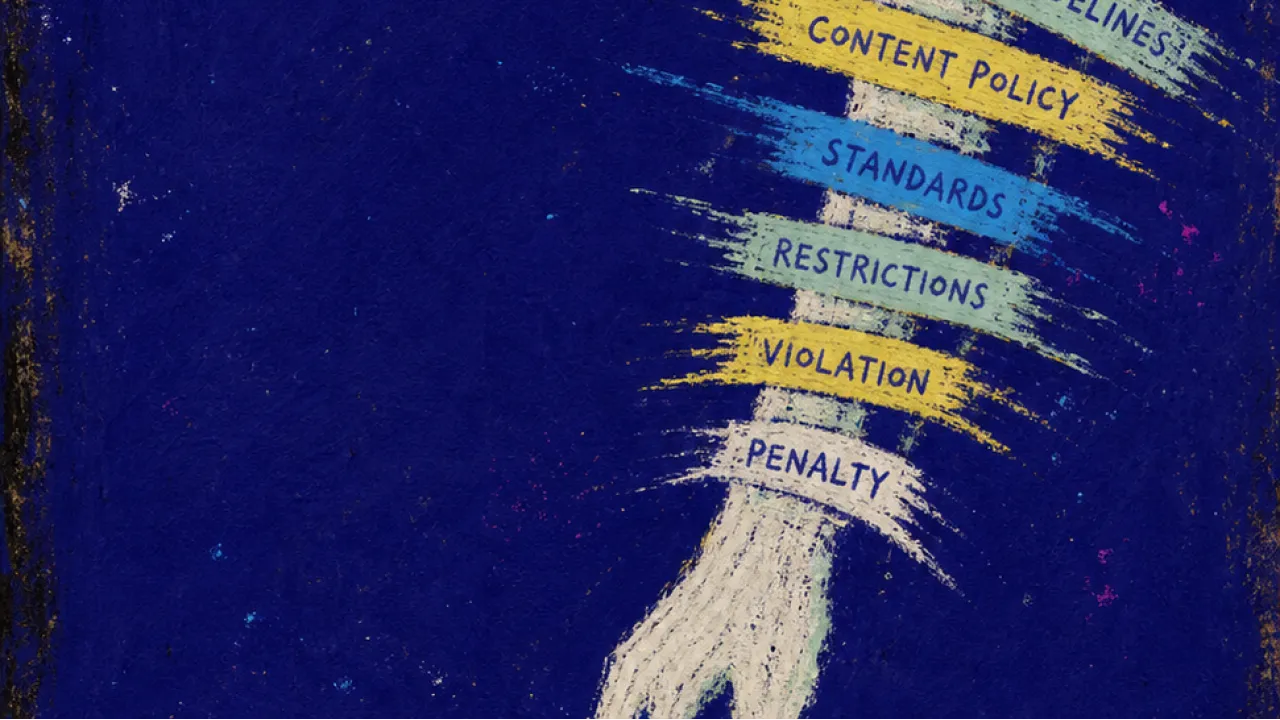
AI Policy Grey Zone — you open your laptop in a library, dorm room, or crowded study cafe with an assignment due, and the tool is right there: a chat window that can brainstorm, tidy grammar, explain code, suggest sources, or turn messy notes into an outline. The syllabus says "unauthorized assistance" in one paragraph and "AI disclosure required where relevant" in another; your lecturer mentions it briefly after class; a campus email links to a policy page that feels written for a different course; classmates trade screenshots of what one tutor allowed and another flagged. You are trying to do the work, but every step now carries a second task: documenting what helped, guessing whether a grammar edit changes authorship, deciding whether citation support needs disclosure, and wondering if the same process will be read differently by a marker, a plagiarism platform, or an academic integrity office. The power sits with people and systems above the submission portal, while the practical boundary sits with you at 1:12 a.m., staring at the cursor, making choices inside rules that keep moving after you have already planned your process. The drain is not just the assignment; it is the extra layer of self-protection around every draft, every prompt, every note, every sentence you polish, much like Justice reversed, where the scales are visible but the curtain behind them hides how the weighing will be interpreted, and the upright sword makes the rule feel sharp before any action is taken.

Why it's not you?

The problem is not that you are trying to get away with something or failing to read the room; the problem is that AI rules are being written, revised, and enforced while students are already being assessed. When syllabi, instructor comments, platform warnings, and department policies do not line up, the confusion is produced by the system. This grey zone has a clear shape: unclear boundaries, uneven guidance, and consequences that arrive before the map is fully drawn.

Ai Policy Grey Zone in Tarot Cards

In an AI Policy Grey Zone, the tightness in your chest before you hit submit is tied to the moving boundary around what counts as help, authorship, or disclosure. This is an environmental and structural dynamic: the institution sets the assessment rules while the tool environment changes faster than the guidance. The cards below do not decide whether a tool is allowed; they reflect the shape of being judged under rules that are still hard to see. Here are the Tarot Cards that mirror this academic grey zone.

Justice Reversed
The scale is easy to see, while the curtain behind it conceals how the weighing is actually interpreted. The sword stays upright, giving the rule structure a sharp edge even before any action is taken. In current academic life, that image fits the grey zone around AI tools: brainstorming, outlining, grammar edits, coding help, citation support, and disclosure policies can all sit between learning support and suspected shortcut. The student may be trying to study efficiently, but the institution's standard for acceptable assistance is still shifting. Reversed Justice makes the issue less about whether technology is good or bad and more about the hidden criteria attached to process. It helps you name the real pressure: not just using a tool, but being evaluated by rules that are still unevenly communicated and unevenly enforced.
The Devil Reversed
The inverted emblem, raised hand, and collars create a scene where rules are highly present but not cleanly clarifying. The figures can still move, yet every movement happens inside a symbolic field where the boundary is marked by someone above them. That is the texture of an AI policy grey zone in school: the tool is available, the pressure is real, and the rule boundary is unstable from the student's position. You are not only asking whether a tool is allowed; you are trying to locate agency inside an institution that has not made the map clear.
Seven of Cups Reversed
Several cups promise desirable outcomes while concealing the process behind them. The shrouded figure hides what is really inside, and the skull beneath the wreath marks the cost that can sit underneath a symbol of success. That image is sharply aligned with the AI Policy Grey Zone in academic life. A tool can look like support, acceleration, or harmless polish while the institution's rules around authorship, originality, disclosure, and assessment remain partly hidden. The Seven of Cups frames the problem as a visibility issue. You are looking at a tempting route whose output is clear but whose process may not be legible enough to protect your work, your learning, or your standing inside the academic system.
Ace of Swords Reversed
The bright coded flashes around the blade make the sword look like a tool of thought and a rule-bound technology at the same time. The crown above it keeps the tool tied to institutional recognition, while the empty sky gives little contextual guidance about acceptable use. That is the academic shape of an AI policy grey zone: the tool is present, powerful, and tempting, but the standard around disclosure, authorship, and acceptable assistance is still unstable. You are being asked to produce clear work inside a rule environment that has not yet fully clarified its own edges.
Seven of Swords Reversed
The swords in the figure's hands are useful, but their ownership is unstable once they are carried out of the camp. They create progress while also creating a trace, because the same tools that make the movement possible can become evidence of how the movement happened. That is the academic texture of an AI policy grey zone. A tool can help you draft, summarize, translate, brainstorm, or organize, but the rule boundary may be poorly marked, inconsistently enforced, or explained only after the work is already submitted. The card does not reduce the situation to simple misconduct. It shows a student moving through an underdefined tool environment where speed and assistance are available before the institution has given a clear map of what counts as legitimate authorship.
Page of Swords Reversed
The Page holds a weapon of language and proof beneath clouds that make the rules harder to see. In a modern academic setting, that image fits the AI policy grey zone: the tools are everywhere, the language of integrity is sharp, and the boundaries often remain unsettled until someone is already being evaluated. The scattered signals in the sky mirror how guidance about AI, citation tools, grammar software, and collaboration can arrive through syllabi, emails, rumors, platform warnings, and inconsistent instructor comments. You are asked to act transparently inside a system that has not always made transparency operational. The card turns the issue away from simple cheating panic or blind tech optimism. It shows a contested knowledge environment where clarity, suspicion, and tool use are all tangled together, and where your agency depends on seeing the policy structure as clearly as the assignment itself.

Ai Policy Grey Zone in Tarot Card Reading Insights

For students navigating an AI Policy Grey Zone, the question often shifts from "Can I use this?" to "How will this be read once someone evaluates it?" Others bring the same uncertainty into readings, especially around disclosure, authorship, and unclear instructor guidance. Browse Tarot Reading Insights from sessions shaped by this academic pressure.

Psychological contexts related to Ai Policy Grey Zone