Explore Friendship Closure Limbo through tarot cards and tarot reading insights shaped around silence, unanswered messages, shared spaces, and a missing goodbye.
Friendship Closure Limbo
What is this situation?
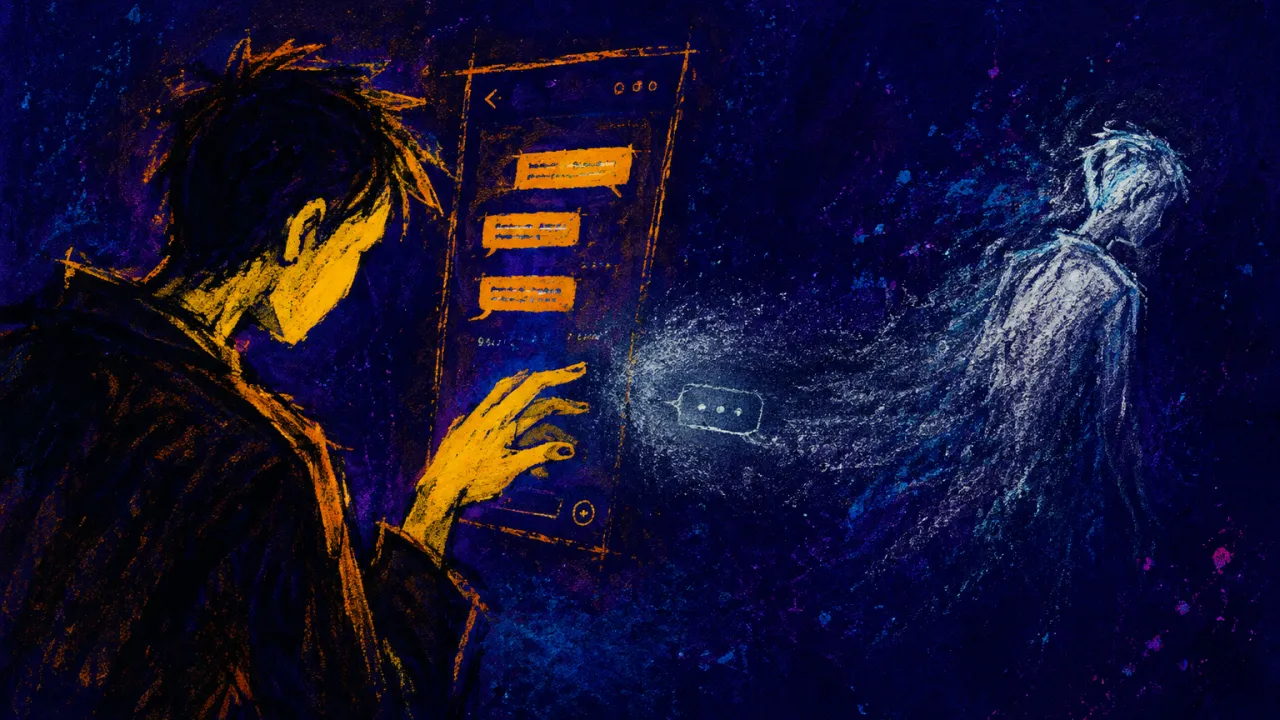
Friendship Closure Limbo: you notice it when a friendship changes shape without anyone naming what happened. A friend who once sent voice notes on the commute now leaves your messages on read, reacts to a post weeks later, or answers with a brief joke while skipping the question underneath. Their name still appears in the old group chat, shared event invitations, and photos, so every next move becomes a public calculation: ask what happened, act normal, or stop reaching out? When you cross paths at a party, in class, or at a shared workplace, the conversation stays light and carefully timed, with neither of you acknowledging the distance. Mutual friends carry fragments of information, plans continue without a clear explanation, and an old promise to catch up soon remains suspended in the calendar. At night, your thumb hovers over the message thread, then you close the app without sending anything; the friendship is absent from your daily life but still present in every unfinished exchange. The cost is not one clean goodbye but the repeated work of interpreting silence, much like the Two of Swords: a blindfolded figure seated with crossed swords while still water stretches behind them.
Why it's not you?
The problem is not that you failed to find the perfect message or read the situation correctly. Friendship Closure Limbo is created by missing acknowledgment, inconsistent contact, and a shared social world that keeps the connection visible without giving it a clear place. The ambiguity belongs to the way the friendship is being handled, not to a personal failing.
Friendship Closure Limbo in Tarot Cards
Friendship Closure Limbo is the friendship state where silence, half-replies, and shared social spaces keep the ending undefined. The moment your thumb hovers above the message thread gives this situation a physical point of contact. It is an environmental, structural dynamic shaped by inconsistent contact and missing acknowledgment. The Tarot Cards below mirror the outline of that unresolved space.
The High Priestess sits between black and white pillars, holding a scroll behind a veil patterned with pomegranates. The hidden text and divided entrance mirror a friendship where the important information exists as implication, tone, and mutual-friend fragments but has not been brought into direct language. You keep scanning the surface because the relationship's central fact remains behind the social curtain. The still posture does not announce a secret explanation; it marks the boundary between what the friendship has shown and what no one has acknowledged. The card gives you a structure for separating evidence from speculation while recognizing that the missing conversation is an external gap, not a failure of private perception.
The figure hangs by one foot from a living tree, suspended in an upside-down view while the world beneath him remains still. That physical suspension mirrors a friendship that has left daily life but has not been given a social endpoint. You keep carrying an unfinished label because the connection is neither available for ordinary intimacy nor clearly released. The halo around his head marks a perspective that can be gained during a pause without pretending the pause is a resolution. The image makes the missing movement observable: no direct conversation has changed the relationship's position, so you remain responsible for interpreting a status that both people have left hanging.
The Moon lights a winding path between two towers while the dog, wolf, and crayfish offer separate reactions to the same obscured landscape. Your inner attention follows the same pattern when a friend's silence, late reaction, and brief joke are treated as clues that must reveal one hidden answer. The uncertainty is organized by incomplete external information. The path is not erased, but the light is too uneven to make every interpretation equally reliable. The image lets you name the difference between an observable contact pattern and the private narrative built around it, so the mental cache can hold ambiguity without turning it into a verdict about your worth.
An angel raises a trumpet above figures emerging from stone boxes, creating a scene organized around a call to answer and be recognized. Turned over, that call remains unresolved in the friendship: the old connection is still visible in the social record, but neither person participates in a shared reckoning about what changed. You keep encountering the need for acknowledgment without receiving the moment that would settle the status. The raised figures show that closure requires a relationship to become speakable, not merely to fade in practice. The reversed image blocks that collective response, leaving the unfinished exchange to reappear in group chats, invitations, and chance encounters instead of becoming a mutually named boundary.
A dancing figure is enclosed by a wreath while the four symbolic creatures hold the corners of the frame. In the reversed position, the circle looks close to complete but cannot settle into a finished cycle, mirroring a friendship that has left daily life while remaining active in old photos, group chats, and an unfulfilled catch-up promise. You are carrying a relationship whose archive is complete enough to remember but not clear enough to close. The wreath gives the unresolved bond a visible perimeter: the old friendship has a recognizable shape, yet no shared act has placed an endpoint around it. The reversed structure names the unfinished business created when continuity is preserved socially but the current relationship is never defined.
Two figures face one another with cups raised beneath a caduceus and winged lion, creating a physical image of mutual exchange and recognition. In the reversed position, that symmetry cannot organize the current friendship: one person offers a shallow response or delayed trace while the question that would restore shared meaning remains untouched. You can see the bond's history without receiving the reciprocity that once made it ordinary. The overturned cups do not erase the relationship; they show an exchange whose terms are no longer jointly held. The visible symbols of connection remain in the message thread, photos, and shared plans, while the actual agreement about what the friendship is has fallen out of alignment.
Three figures raise their cups in a shared circle, surrounded by fruit and a common ground of celebration. With the image inverted, the social container no longer coordinates cleanly: a friendship can remain represented in the group chat and photo archive while direct reciprocity drops out. You carry the discrepancy between the group's visible continuity and the private bond's missing conversation. The cups still form a recognizable ritual, but their orientation makes the shared meaning unstable rather than mutually held. That structure explains why a light exchange at a party can coexist with weeks of silence: the wider friendship network preserves the appearance of connection without providing a place to name the distance.
An arm extends a fourth cup from a cloud toward a seated figure whose arms are folded before three cups. The offered contact is physically present, but it is not being met at the level of attention the relationship requires, mirroring a brief joke or delayed reaction that skips the substantive question. You are left distinguishing an available gesture from actual participation in the friendship. The tree and hillside create a private holding pattern rather than a public confrontation. That quiet withdrawal explains why the friendship can look technically alive in a message thread while feeling absent in daily life: the problem is not zero contact, but contact that never reaches the exchange beneath it.
A cloaked figure stares at three spilled cups while two upright cups remain behind them, with a bridge and distant house across the water. The image holds both realities of the friendship at once: daily contact has been lost, but shared photos, old promises, and group spaces still preserve what has not fully disappeared. You are processing a loss that has no completed goodbye. The figure's turned posture captures the repeated return to what fell over, while the standing cups prevent the story from becoming a simple ending. The card gives the emotional cost a material form: you must decide what the remaining connection represents while the other person has not helped define it.
Two children exchange a cup filled with flowers in a quiet village scene, with an old house and courtyard holding the moment in place. The preserved setting mirrors a friendship that survives as an archive of photos, inside references, shared events, and promises even after current contact has changed shape. You are comparing the warmth of the old role with the evidence of the present one. The cup passed between the children makes history feel tangible, but it does not prove that the same exchange is still happening now. The card exposes the structural question beneath nostalgia: whether the friendship's recorded past is being mistaken for an active agreement about its future.
Two figures move through snow outside a lit stained-glass window, close enough to see the social shelter but not clearly admitted into it. The scene mirrors a friendship that remains visible through group chats, invitations, and shared places while your access to the old one-to-one connection becomes uncertain. You cross the same social terrain without knowing whether you still occupy the same circle. The lighted window prevents the situation from being a total disappearance; the network is still there, but its warmth and access are unevenly distributed. The card makes the cost of ambiguous belonging concrete: every party or shared workplace encounter can require you to perform normality while privately tracking the distance.
A richly dressed figure distributes coins while a scale hangs from one hand, making the flow of resources and attention visible between people. Read through the friendship's delayed replies and skipped questions, the image exposes continuity being maintained by uneven effort: you keep supplying follow-ups, interpretation, and social cover while the other person supplies fragments. The connection remains technically active because the labor is not shared. The scale gives the imbalance a concrete shape without turning it into a moral verdict. You can observe that a friendship may survive in group chats and invitations while its private exchange becomes one-sided, leaving the question of closure attached to the person who is still doing the maintenance work.
The blindfolded figure holds crossed swords over a quiet body of water, creating a physical picture of attention turned away from an unresolved exchange. You replay read receipts, delayed jokes, and old plans because the friendship has supplied fragments instead of a shared explanation. The internal strain is generated by an external information gap. The figure's posture shows protective suspension rather than a personal inability to communicate. The swords give shape to the competing interpretations, while the still water shows why the mental loop persists: nothing in the relationship's visible surface confirms whether the distance is temporary, intentional, or final.
A figure steps away carrying five swords while looking back at two left behind, leaving the camp without a direct announcement. The visual pattern mirrors a friend who exits ordinary contact through omissions, delayed reactions, and jokes that bypass the question underneath. You encounter absence as a sequence of indirect moves rather than a clean goodbye. The two remaining swords keep the original exchange visible, so the departure never becomes a fully closed event. The card's route is strategic but incomplete: someone is managing distance without naming the new boundary, and you are left to determine whether the silence is an exit, a test, or simply a refusal to have the conversation.
A blindfolded figure stands bound among eight swords, with a narrow path and a distant castle behind them. The perimeter makes the friendship decision feel socially trapped: asking may expose the rupture, acting normal may prolong the performance, and stopping may make the ending feel official. You can see possible actions, but none appears free of consequence. The swords create a constrained action field rather than proving that no route exists. That distinction matters here because the paralysis is produced by missing acknowledgment and shared-network visibility, not by a personal defect; the card shows how an undefined friendship can make ordinary communication feel like a high-stakes move.
Eight wands cut across an open landscape in a single direction, creating a physical picture of messages, plans, and responses that should travel in sequence. In the reversed frame, that line no longer lands cleanly: a reply arrives weeks later, a catch-up loses its date, and the friendship's rhythm breaks without a declared pause. You are tracking a communication system whose timing has become its own message. The empty sky makes the missing handoff visible. Nothing in the scene confirms whether the delay is temporary or intentional, so each new notification can reopen the same unfinished question instead of moving the relationship toward either repair or closure.
No cards available for this filter.
Friendship Closure Limbo in Tarot Card Reading Insights
Friendship Closure Limbo also appears in readings when an unanswered message, an old group chat, or an unspoken goodbye remains part of the shared social space. Here are Tarot Reading Insights from people who brought this unresolved friendship into a reading.