Always On, Never Off?

A clear look at after-hours boundary pressure, related tarot cards, and tarot reading insights shaped by constant reachability.

On-call Boundary Crossroads
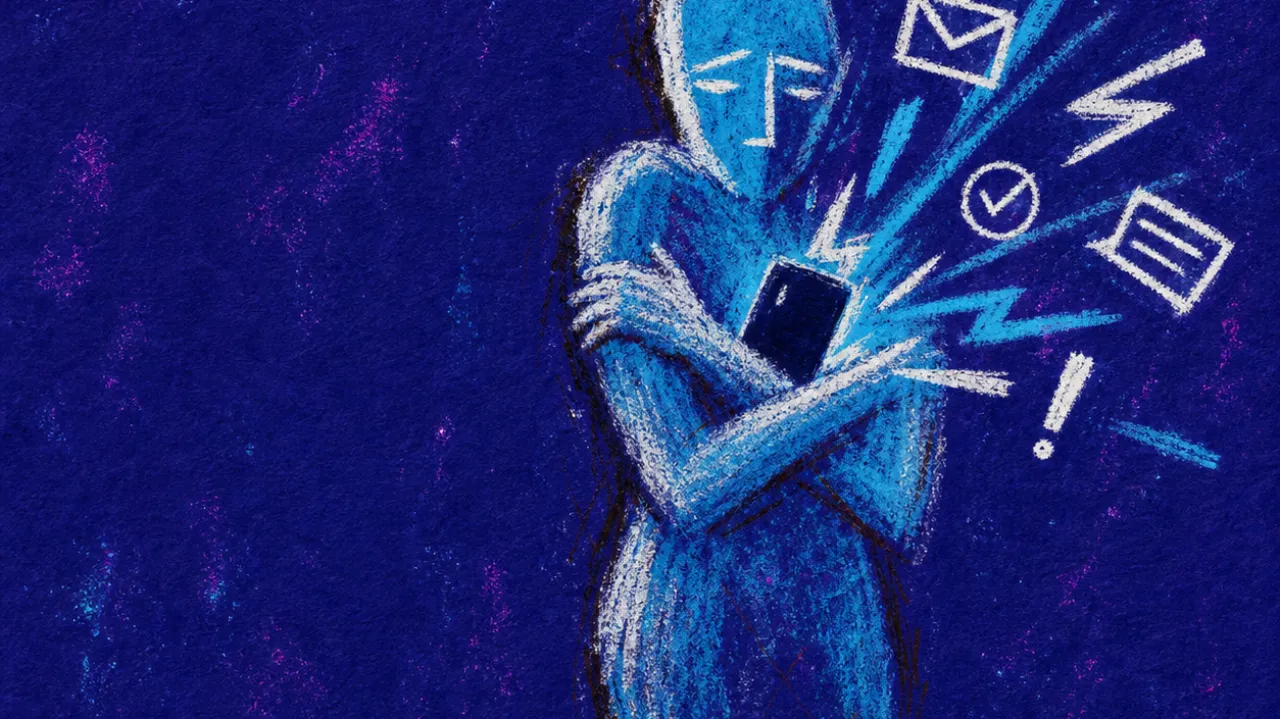
A solitary figure at a doorway with crossed arms as bright phone alerts press inward against the chest and shoulders

What is this situation?

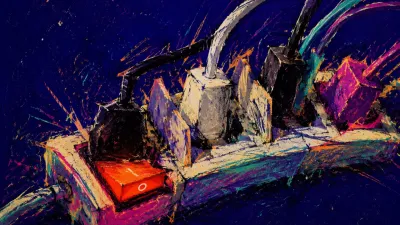
On-Call Boundary Crossroads — you step out of work, close the laptop, and the day still follows you through the phone in your pocket. It starts with one message after dinner, then a weekend alert, then a manager saying, "Can you just keep an eye on this," as if your evening, your sleep, and your plans are soft space that work can borrow whenever it wants. The rota may be official, or it may be implied through Slack, Teams, email threads, client chats, and the unspoken rule that the fastest responder becomes the most dependable person in the room. You learn the rhythm: the screen lights up, your shoulders tighten, someone else's urgency arrives already packaged as your responsibility, and every possible response carries a cost. If you answer, the boundary moves again; if you wait, you imagine the follow-up message, the performance review comment, the teammate left covering, the subtle label of "not committed." The pressure is not only the task itself, but the way the environment makes your availability feel like proof of loyalty, competence, and maturity. Your private time becomes conditional, always half-held, always one notification away from being reopened, until even quiet hours feel monitored. You stand between the need to protect your life and the demand to remain reachable, much like the figure on the Two of Swords, arms crossed around two blades while the water behind them waits for a decision no one else is willing to name.

Why it's not you?

The problem is not that you are too rigid or not committed enough; the problem is that the setup treats your off-hours as backup infrastructure. Vague escalation rules, after-hours pings, and loyalty measured by response time create a system where boundaries become something you have to defend every day. That pressure belongs to the environment, not to your character.

On-call Boundary Crossroads in Tarot Cards

On-Call Boundary Crossroads is the moment when work keeps entering hours that were supposed to be off-limits. The tightness in your shoulders when the phone lights up is not random; it is a body-level signal from an environmental, structural dynamic built around constant reachability. The cards below do not decide whether you should answer or refuse; they reflect the shape of the pressure around the choice. Here are the Tarot Cards that often mirror this kind of boundary crossroads.

The Emperor
Reversed
The armoured ruler, stone throne, ram heads, and sceptre are turned upside down, converting stable authority into control without dependable containment. The image maps onto a manager who treats access to an employee's evening or weekend as an extension of managerial discretion. The reversed throne shows authority exceeding the structure that should legitimise it. You face requests framed as small favours, but hierarchy makes refusal consequential, allowing a manager's personal habits to function like policy without the safeguards of an actual on-call system.
The Hierophant
Upright
The seated institutional figure faces two followers while crossed keys rest between them, presenting belonging as something organised through shared rules and authorised interpretation. The scene mirrors a team culture in which constant responsiveness becomes the unwritten ritual for proving reliability. The upright image makes the social pathway legible: status and approval are available through conformity to the group's availability norm. You can therefore see that after-hours replies are not only task responses; they are signals exchanged inside a workplace circle that decides who is dependable, committed, and included.
Justice
Reversed
The scales, raised sword, and formal red setting turn upside down in the reversed image, making the instruments of balanced judgement visibly unreliable. The scene mirrors a workplace that evaluates commitment through response time while withholding a clear rota, escalation standard, or reciprocal protection for private time. The inverted structure shows why individual effort cannot repair a system whose rules and consequences are unevenly distributed. You are being judged through an availability standard that may not appear in the role description, while the organisation avoids accounting for the time, compensation, and authority required to meet it.
The Devil
Upright
The chained figures remain close to the pedestal even though the collars are visible and not tightly fitted. That physical arrangement mirrors the internalised pull of notification guilt: the workplace no longer needs to issue a direct order every time because anticipated judgement keeps attention attached. The upright image makes the attachment observable rather than mysterious. You may notice that a silent phone can still occupy your evening through imagined follow-ups, teammate resentment, or review comments, showing how an external availability system has installed an internal monitoring loop.
The Moon
Upright
The moon hangs over a winding path between two towers while a dog and wolf react at the water's edge and a creature emerges from below the surface. The uncertain landscape mirrors the psychological aftermath of vague escalation rules, where an unread message can generate several imagined versions of professional fallout. The path remains visible through the upright scene, but it cannot be assessed all at once. You may need to distinguish the actual content of an alert from the fear added by past manager behaviour, team norms, and incomplete information, without dismissing the workplace conditions that taught you to anticipate consequences.
Two of Pentacles
Upright
The figure loops two pentacles through an infinity-shaped cord while ships rise and fall on rough water behind them. The image captures a daily system forced to keep work and private life in motion while external demands repeatedly change the balance. Both pentacles remain in the figure's hands, which preserves practical adaptability in the upright scene, but the loop also shows why constant responsiveness can become self-perpetuating. You may be capable of fitting one more alert around dinner or sleep, yet repeated accommodation teaches the workplace to treat that improvisation as permanent capacity.
Three of Pentacles
Reversed
The craftsperson, two stakeholders, and architectural plan are inverted together, turning a coordinated work scene into a breakdown of shared design and role alignment. The image maps onto a rota where escalation ownership, handoffs, and response thresholds have not been built into a functioning team process. The reversed collaboration leaves the available worker compensating for structural gaps that should belong to the group. You become the de facto owner because you answer quickly, while managers and teammates can continue relying on personal responsiveness instead of repairing the coverage architecture.
Six of Pentacles
Reversed
The coin-giver, handheld scales, and two kneeling recipients turn upside down in the reversed scene, destabilising both the exchange and the power to decide who receives what. The image mirrors an employer receiving after-hours labour without returning equivalent protection, compensation, recovery time, or decision authority. The reversal reveals that generosity language can conceal a one-way employment arrangement. You may be told that answering is a small favour or evidence of team spirit, while the accumulated time flows toward the organisation and control over the exchange remains above you.
Two of Swords
Upright
The blindfolded figure holds two swords across the chest while a narrow shoreline, uneven rocks, and dark water sit behind them. That image mirrors an implied on-call system in which the operative rule is obscured and the two most visible responses, answering or holding the line, both carry employment costs. The blades remain in the figure's own hands, so the upright scene preserves decision-making capacity even under pressure. You can use the crossroads to separate the incident's actual urgency, the rota's formal ownership, and the reputational threat that the workplace has bundled into a single phone notification.
Four of Swords
Reversed
The resting figure, the horizontal sword, and the three blades suspended overhead form a deliberate pause that becomes unstable when the card is reversed. The scene corresponds to an on-call rhythm in which a nominally quiet period never becomes a reliably protected interval. The reversed chamber shows that waiting is not neutral when response windows have never been named. You remain caught between replying before the issue is assessed and delaying while anticipating escalation, which lets the organisation's timing ambiguity occupy the whole evening.
Eight of Swords
Upright
The isolated figure is bound and blindfolded inside a ring of swords, while the workplace-like structure in the distance remains separate from the exposed ground where the figure stands. The spatial imbalance mirrors an employee carrying the immediate risk of rules controlled elsewhere. The gaps between the swords preserve the possibility of examining the arrangement without denying its power. You may be constrained by real hierarchy and job dependence, but the card separates those facts from a culture that benefits when every feared consequence is treated as certain and every after-hours request as mandatory.
Nine of Swords
Upright
The figure sits upright in bed with the face covered while nine swords line the dark wall overhead. The bedroom setting directly mirrors work pressure crossing into sleep, where the anticipated follow-up can remain active long after the laptop has been closed. The swords are visible rather than hidden, allowing the sources of mental occupation to be named. You can be physically away from work while still rehearsing whether to answer, whether a teammate is covering, and whether silence will be used against you, showing how the organisation's ambiguity consumes psychological recovery time.
Seven of Wands
Upright
The elevated figure braces one wand across the body while several demands rise from below. The image turns personal development into a question of whether reliability means holding a clear position or surrendering it whenever an authority presents a new exception. The upright figure has footing and a tool, so growth does not require becoming less collaborative or less dependable. You are confronting a learned equation between unlimited access and professional worth, and the card makes that equation available for revision under real workplace pressure.
Eight of Wands
Upright
Eight staffs fly across an open landscape in a single direction, with no visible barrier slowing their arrival. The image resembles Slack messages, alerts, and client requests reaching you instantly after the formal workday has ended. The upright flight makes the communication channel fast and operational, but speed of delivery does not automatically establish the correct response window. You can distinguish technical immediacy from organisational urgency, especially when the workplace has allowed notification velocity to determine timing by default.
Nine of Wands
Upright
The bandaged guard grips one wand while eight more form a barrier behind the body. The watchful stance mirrors off-hours that are technically private but still organised around the possibility that work will cross the perimeter again. The upright figure remains standing and retains a defined post, so vigilance has not removed all control over the boundary. You can nevertheless see the lifestyle cost of making every meal, night, or weekend a monitoring shift, especially when prior interruptions have trained you to expect another one.
Ten of Wands
Upright
The worker bends beneath ten bundled wands while carrying them alone toward a visible town. The image mirrors a workplace where every quick response adds another piece of operational responsibility to the person already known as dependable. The destination remains visible, so the upright card does not erase your ability to identify what must be completed or transferred. It shows, however, that you are carrying workload created by unclear ownership, and that repeatedly delivering it can conceal the staffing or rota failure from everyone who benefits.

On-call Boundary Crossroads in Tarot Card Reading Insights

On-Call Boundary Crossroads does not happen in isolation; people bring after-hours pings, weekend escalations, and unclear expectations into readings all the time. The shift from cards to readings shows how this pressure appears when someone sits with it directly. Tarot Reading Insights from sessions shaped by on-call boundary pressure.
Psychological Contexts Related to On-call Boundary Crossroads