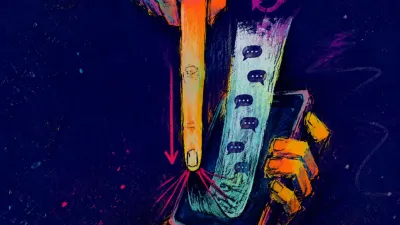
Why Are They Still Texting?

A clear look at intrusive ex texts, the tarot cards that mirror them, and reading insights from similar boundary pressure.

Ex Texting Intrusion
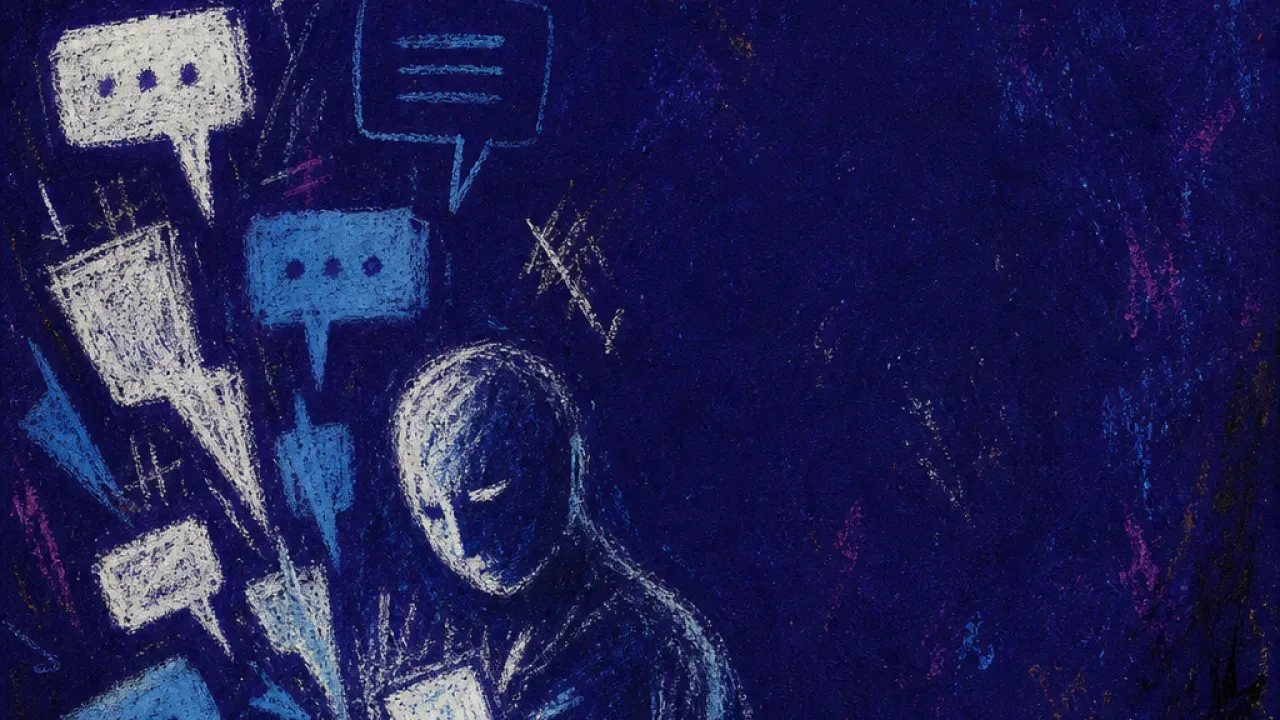
A solitary figure clutching a phone near the ribs as pale message bubbles press through a thin boundary line in dark space

What is this situation?

Ex Texting Intrusion — it starts with your phone lighting up at a time when you were finally not thinking about them: during a work break, at the gym, on the train home, in bed when the room is already dark. The name on the screen pulls the past into the room before you have even unlocked the message, and the text is never just a text; it is a check-in that expects warmth, a joke that pretends nothing happened, a late-night “you up?” that tests whether the door is still cracked open, or a long paragraph that drops their unfinished feelings into your hands without asking if you have space to hold them. You may have ended the conversation already, muted notifications, set a boundary, tried to keep replies short, or stopped replying altogether, but the rhythm keeps restarting as if your attention is still shared property. Friends might say “just block them,” but the situation is rarely that clean when there are mutual friends, shared memories, old belongings, social media overlap, or the fear that any response will restart the loop and any silence will be treated as an invitation to push harder. The intrusion does not stay inside the phone; it changes the way you move through ordinary moments, making you check your lock screen before relaxing, angle the phone away from people nearby, rehearse whether to answer, and lose half an evening to a message you did not invite. Over time, the relationship may be over in name, but their reach keeps stepping across the boundary line of your day, much like the figure on the Nine of Wands, standing guarded behind a row of staffs while another round of pressure seems ready to arrive.

Why it's not you?

The issue is not that you are being dramatic about a few texts; the issue is that repeated unwanted contact keeps reopening a space you already tried to close. A past relationship does not automatically grant ongoing access to your time, attention, or emotional availability. The pressure belongs to the pattern of intrusion, not to any failure on your part to handle it perfectly.

Ex Texting Intrusion in Tarot Cards

Ex Texting Intrusion is not just about messages appearing on a screen; it is about a former relationship repeatedly crossing back into your present tense. The stomach drop when their name lights up your phone is part of the contact point, not a random overreaction. This is an environmental, structural dynamic built around access: one person's unfinished reach keeps pressing against the boundary another person is trying to keep. The Tarot Cards below reflect the shape of that pressure without telling you what you have to do next.

Wheel of Fortune
Reversed
The central wheel turns among figures rising, descending, and watching from the corners, making recurrence visible as a system rather than a single isolated event. Reversed, the cycle keeps returning to the same contact point: a quiet period creates hope of closure, then another message restarts the sequence of checking, deciding, and recovering. The timing pressure comes from not knowing when the next rotation will arrive. You may begin relaxing only after enough silence has passed, which gives every new text the power to reset both the interaction and your sense of how far the breakup has progressed.
Justice
Upright
The seated figure holds balanced scales in one hand and an upright sword in the other, framed by two pillars and a clearly ordered threshold. Upright, the image makes evaluation and enforcement available together: the existence of a past relationship can be weighed without granting it an indefinite license to cross present boundaries. The cognitive structure changes when access is understood as consent-based rather than history-based. You no longer have to measure the legitimacy of your boundary by how disappointed the ex becomes when it is enforced.
Death
Reversed
The armored rider advances past a fallen crown toward a distant sunrise, while the surrounding figures confront a change that cannot preserve every former role. Reversed, the passage is obstructed when one person continues behaving as though the old claim to access survived the relationship's ending. The ex's check-ins, jokes, or emotional paragraphs can keep an expired relational role operational through the phone. You are then required to defend the distinction between shared history and present consent before the next phase of life can have uncontested space.
Six of Cups
Reversed
One child extends a flower-filled cup to another within a sheltered scene shaped by familiarity and the past. Reversed, nostalgia becomes a backward-facing access route: shared jokes, anniversaries, old photos, or apparently innocent memories are used to carry the previous relationship role into present communication. The warmth of the reference can make the boundary harder to evaluate because the text does not look openly confrontational. You may still experience it as intrusive when the memory is functioning less as mutual reflection and more as a reason the ex should receive renewed attention.
Eight of Cups
Reversed
A cloaked figure walks away from eight carefully stacked cups beneath an eclipsed moon and toward difficult terrain. Reversed, departure becomes vulnerable to return: the old emotional arrangement remains able to call someone back even after the practical act of leaving has begun. The ex's periodic reentry can obstruct the distinction between ending a relationship and repeatedly renegotiating it. You may find that every new message asks whether the departure still counts, despite no new relational structure having been agreed.
Page of Cups
Reversed
The young Page holds a cup from which a fish unexpectedly appears, turning a small emotional offering into an encounter with content that was not anticipated. Reversed, the offer arrives without mature containment: a playful joke, flirtatious check-in, or late-night message gestures toward intimacy while avoiding responsibility for what reopening contact would mean. The casual format can make the text look too small to justify a firm response, even while it tests a significant romantic boundary. You are left sorting whether the message is harmless spontaneity or another attempt to regain emotional access without naming the terms.
Two of Swords
Upright
The blindfolded figure holds two swords in a balanced cross while water and rocks sit behind her under a narrow moon. Upright, both routes remain available, but neither is cost-free: answering may reopen the exchange, while silence or blocking may provoke escalation, social awkwardness, or another route of contact. You are not choosing between an obviously kind option and an obviously cruel one. You are comparing different forms of boundary cost within a digital and social system that lets the sender externalize the decision onto you.
Four of Swords
Reversed
The recumbent figure beneath three suspended swords occupies a protected chamber designed for withdrawal, while the fourth sword lies close to the body. Reversed, that sanctuary no longer functions as uninterrupted space: communication from the ended relationship enters the work break, commute, gym session, or dark bedroom that was supposed to be off duty. Repeated texting makes rest conditional on whether the phone stays quiet. You may mute the thread and still monitor the lock screen, which means the ex's access has altered the architecture of your downtime even when no reply is sent.
Six of Swords
Reversed
A small boat carries its passengers toward another shore while six swords remain planted inside the vessel. Reversed, the crossing cannot create reliable distance: the relationship may be formally over, but recurring messages keep its unresolved material aboard and interfere with the movement away from it. Your long-term direction is obstructed less by one dramatic confrontation than by repeated small returns. Each text asks you to re-enter an old role, reconsider a completed decision, or allocate present-day attention to a bond that no longer has the same status.
Eight of Swords
Upright
The blindfolded, bound figure stands inside a loose enclosure of swords, with open ground still visible between the blades and a distant structure behind her. Upright, the constraint feels immediate while the gaps remain available for examination: answering, ignoring, muting, and blocking all appear capable of producing a different version of the same conflict. You may experience the message as a no-win demand because a reply can restart the loop and silence can invite further pressure. The phone's low-friction access and the relationship's social residue make the trap feel personal, even though much of it is built by the surrounding communication structure.
Nine of Swords
Upright
The figure sits upright in a dark bed with both hands covering the face while nine swords occupy the wall above. Upright, the disruption is fully visible and therefore nameable: the ex's message has left the phone and entered the mental space reserved for sleep, replay, and private processing. You may rehearse possible replies, predict what silence will trigger, or revisit the breakup long after the screen goes dark. The internal pressure is not detached from reality; it is the psychological afterlife of repeated external contact arriving without permission.
Page of Swords
Reversed
The Page twists his body while holding an upright sword, scanning the wind as birds circle through a restless sky. Reversed, alert communication becomes probing and poorly contained: a joke, check-in, reaction, or casual question functions as a test of whether your attention is still reachable. The message may avoid naming any intention, which forces you to interpret what replying would authorize. You are placed in a state of digital watchfulness because seemingly low-stakes wording can carry a larger relational question about whether the door remains open.
Knight of Swords
Reversed
The armored rider charges forward with a raised sword while the horse strains into bent trees and driven clouds. Reversed, speed separates communication from consideration: the sender's urgency crosses the distance before consent, context, or the effect on the recipient has been taken into account. A demanding paragraph, repeated follow-up, or late-night message can make the ex's need for immediate expression the organizing priority. You are left absorbing the impact and managing whether their momentum will become a renewed conversation.
Queen of Swords
Upright
The Queen holds her sword vertically while extending an open hand, seated above a clouded landscape with a single bird in the distance. Upright, the sword keeps definition available and the hand makes terms explicit: shared history can be acknowledged without converting it into permanent access. The deeper cognitive shift is from treating each message as a fresh moral test to recognizing a stable rule about consent, attention, and ended roles. You can understand the ex's feelings as real without treating their delivery as an automatic claim on your time.
Seven of Wands
Upright
The figure on raised ground braces one staff against six others pushing upward from below. Upright, the higher position preserves room to defend the line, yet the visual asymmetry shows how one person must repeatedly supply effort against multiple attempts to advance. An ex can send another text in seconds, while you must assess motive, wording, consequences, and whether any reply will invite more contact. You end up spending more energy protecting the boundary than they spend testing it, which makes the romantic power imbalance visible even when every individual message looks casual.
Eight of Wands
Reversed
Eight staffs travel through open air in one concentrated burst, visually collapsing the distance between departure and arrival. Reversed, the communication loses clean timing and lands out of sequence: during work, after midnight, just as you are moving on, or before there is any capacity to process what has been sent. Digital speed creates urgency without creating consent. You may feel pushed to decide immediately because the message is already present and possibly marked as read, even though the ex selected the moment and transferred the timing cost to you.
Nine of Wands
Upright
The bandaged guard grips one staff while eight others form a boundary behind him, and his sideways gaze anticipates pressure that has not yet fully arrived. Upright, the line still holds and defensive resources remain available, but maintaining it requires attention because previous rounds have established that another approach is plausible. The relationship may be over while your role has shifted into guarding access to your own time and emotional availability. You are not reacting only to the current text; you are reading it against a history in which warmth, silence, or a short answer could all be used to test whether the boundary remains negotiable.
Ten of Wands
Upright
The figure bends beneath ten staffs while carrying the entire load toward a visible town. Upright, the path remains passable, but progress is burdened by material that occupies both arms and narrows the field of vision. A long message can deposit the ex's unfinished feelings, explanations, guilt, or need for reassurance into your evening without checking whether you agreed to hold them. You then carry the interpretive and emotional workload of a conversation you did not initiate, even if you never respond.

Ex Texting Intrusion in Tarot Card Reading Insights

Ex Texting Intrusion is a situation many people bring into readings when a past connection keeps interrupting their day through a phone screen. From the cards, the focus shifts to how this pattern appears when someone sits with the interruption and asks for clarity. Tarot Reading Insights from sessions with this kind of boundary pressure appear below.

Psychological Contexts Related to Ex Texting Intrusion