Always Scanning For The Sign?

Explore the tight, wired feeling of constant scanning, the tarot cards that mirror it, and related tarot reading insights.

Hypervigilant Anxiety
What does this feel like?

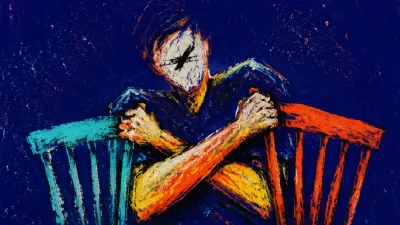
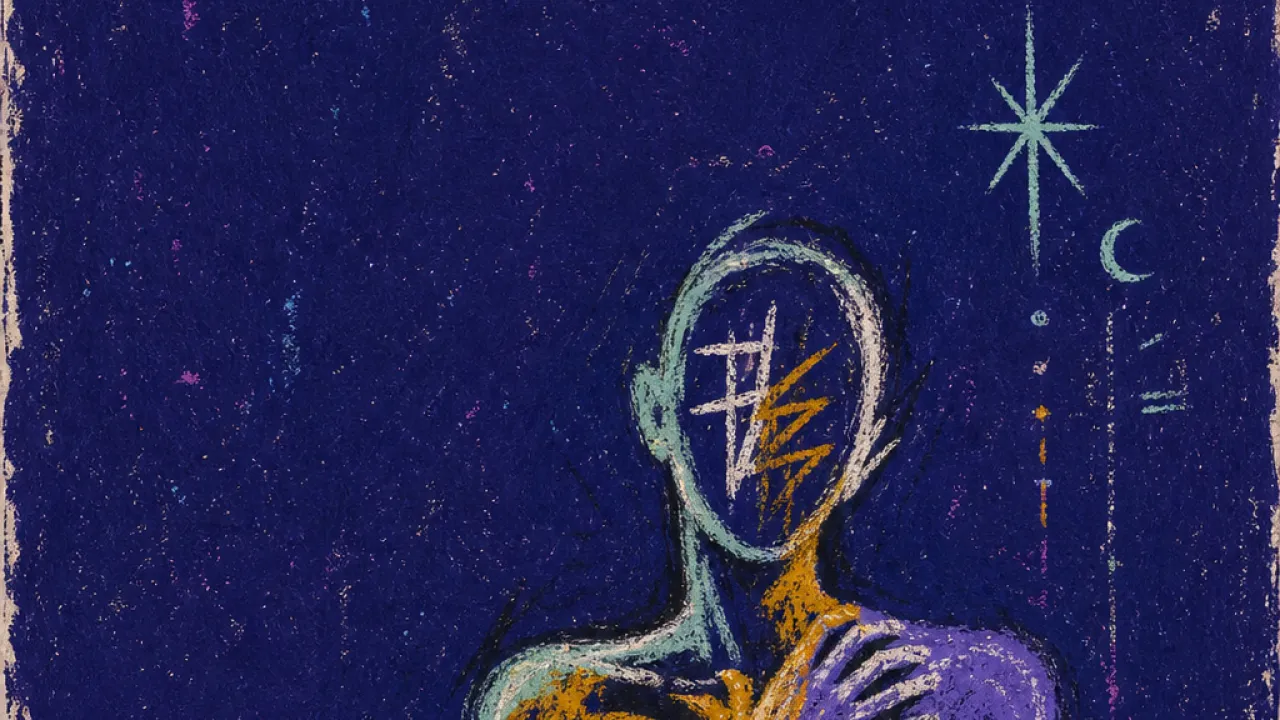
Hypervigilant Anxiety — you feel it before you have a clear reason, a quick tightening under the ribs, your jaw already set, your shoulders sitting too high as if your body heard a warning before your mind did. You move through normal things — checking your phone, opening an email, walking into a room, replaying a conversation — but nothing feels fully neutral; every pause has edges, every silence has weight, every small shift in tone seems to ask for another scan. Your attention keeps jumping ahead and sideways, tracking faces, timestamps, wording, mood changes, unfinished tasks, anything that might tell you whether the ground is steady or about to move. Even when you are doing the next thing, part of you is still listening for the thing behind you, the thing you missed, the detail that might change the meaning of everything. It can make rest feel irresponsible, because if you stop watching, something important might happen without you catching it in time. Inside, the self-talk is sharp and fast: check again, read it again, don't relax yet, don't assume it's fine, what if this is the sign. Hypervigilant Anxiety turns awareness into a guard post, and your body pays for it in shallow breath, restless hands, a wired tiredness that never quite lands, much like The Moon, where the dog and wolf stand fixed beneath a pale, unanswered light, alert to a path that is visible in fragments but never clear enough to let them settle.

Why you're feeling this?

Hypervigilant Anxiety makes sense when a part of you is trying to keep you from being caught off guard. It is not a character flaw or a sign that you are too much. It is your system staying alert because uncertainty feels costly, even when you are exhausted from watching.

Hypervigilant Anxiety in Tarot Cards

That tight scan in your ribs, jaw, and shoulders is Hypervigilant Anxiety taking shape before you can talk yourself out of it. This is a universal emotional experience: the body trying to read small signals when certainty feels thin. Tarot Cards give that state a visible language without forcing it into a single explanation. Here are the Tarot Cards that tend to mirror Hypervigilant Anxiety.

The Moon Upright
The dog and wolf stand on either side of the road with muzzles raised and bodies keyed toward the Moon, as if the whole landscape has become a signal to monitor. The towers wait in the distance, but the nervous system of the image is already firing at the gate. Hypervigilant Anxiety belongs to career situations where every email tone, delayed reply, meeting invite, or manager pause feels loaded with possible consequences. The card ties that state to the howling animals and guarded path, revealing a mind trying to protect your position by scanning too much, too often, for too little certainty.
Reversed
The Moon gives the scene just enough light to make danger imaginable and not enough light to make safety confirmable. The dog and wolf stand alert beneath a closed-eyed face, while the road ahead remains visible only in fragments. Hypervigilant Anxiety in a family system feels exactly like that partial visibility. You monitor tone, timing, facial shifts, and silence because experience has taught the body that emotional weather can change before anyone admits it has changed. This card links to the feeling because its fear is atmospheric rather than direct. You are not simply afraid of one event; you are tracking an entire field of implication, trying to stay ahead of the old family pattern before it catches you off guard.
Page of Pentacles Reversed
The Page's gaze is locked onto the pentacle so completely that the wide landscape becomes secondary. When that focus tightens, the coin stops being a learning object and becomes the only thing the body can afford to track. In friendship, this maps onto the exhausting alertness that turns every reply delay, tone shift, or group-chat silence into data. You are trying to read the stability of the bond from tiny signs because the relationship no longer feels emotionally obvious. Hypervigilant Anxiety belongs here because the card's focused posture can become an over-focused nervous system. The same attention that could support learning now scans for threat, trying to prevent disconnection by never looking away.
Five of Swords Reversed
The foreground body looks back while the sword extends beyond the frame, leaving the scene unable to fully close. The clouds and blades point in competing directions, so the eye keeps checking for what might happen next. In academic contexts, this maps onto the keyed-up state after sending a risky email, challenging a supervisor, or waiting for grades after conflict. The card reflects a mind scanning for blowback, and naming that scan gives you a clearer boundary between evidence and anticipation.
Seven of Swords Reversed
The tiptoeing body never settles into an ordinary walk. It moves lightly, checks behind itself, and uses dusk as cover, creating a scene where every motion depends on reading timing, distance, and possible detection. Hypervigilant Anxiety in career settings feels like living inside that posture long after the immediate move is over. You scan meeting tone, delayed replies, manager phrasing, shifting alliances, and small changes in access because the workplace has taught your nervous system that information is protection. The reversed Seven of Swords intensifies the card’s tactical awareness into a trapped inner weather. Strategy stops being a tool you pick up and becomes the air you breathe, making rest feel irresponsible because some unseen workplace signal might change while you are not watching.
Nine of Swords Upright
Nine swords stretch across the black wall above the bed, close enough to visually cross the figure's head, throat, and heart. The body has snapped upright from sleep, but the hands cover the face instead of reaching outward, turning the bed into a private monitoring station. For personal growth, that visual pressure translates into Hypervigilant Anxiety: the mind treats every next step as something that must be scanned for danger before it can be lived. You are not simply planning; you are bracing inside the very place that should let you recover, so ambition starts to feel like being watched by your own thoughts.
Reversed
The bed surface is flat, the figure is already upright, and the swords form a strict row above the body. The room has the stillness of a place where rest never fully arrived; the mind has stayed on watch under a dark ceiling of sharp possibilities. Hypervigilant Anxiety belongs to the reversed Nine of Swords when family contact keeps the body alert even in private. A silent phone, a delayed reply, or a familiar tone can become a signal to scan for the next emotional demand. The watchfulness persists because the family system has trained the inner room to expect interruption. This card makes the surveillance visible without turning it into a life sentence. It shows the mechanism: your attention has been recruited by old family pressure, and naming that recruitment is the first return of agency.
Page of Swords Upright
The Page grips the sword with both hands while his face turns away from the blade's direction, placing the body in a split field of readiness. The wind catches his hair, the ground is uneven beneath him, and the high ridge gives him visibility without real cover. That visual tension turns timing into a state of constant scanning. You are not simply waiting for the right moment; you are trying to read every gust, delay, signal, and obstacle before it becomes a problem. Hypervigilant Anxiety fits this card because the Page's alertness is intelligent but physically costly. In a timing question, the card reflects the part of you that keeps checking the horizon for permission to move, even when your nervous system has not had a quiet moment to register what is actually stable.
Reversed
The Page's tense eyes, two-handed sword grip, and surrounding clouds create a scene of constant scanning. The high ridge offers visibility, but it also exposes the body to wind, distance, and possible movement from every side. In personal growth, Hypervigilant Anxiety emerges when self-observation turns into internal surveillance. The card shows the cost of treating every thought, metric, or hesitation as evidence that your evolution is failing.
Knight of Swords Reversed
The knight's armor is closed, the sword is raised, and the gaze locks forward as if the next impact is already arriving. The wind does not surround him passively; it presses directly into the rider, horse, and weapon. In a career field, that image becomes the inner weather of constant scanning. Every leadership message, vague meeting invite, or change in tone can feel like a signal that must be decoded before it turns into a threat to your position. Hypervigilant Anxiety belongs to the reversed Knight of Swords because the card's readiness has hardened into nonstop alertness. You are not simply paying attention; the whole system is braced for workplace conflict before the facts have fully landed.
Seven of Wands Upright
The young man stands above the six rising wands with both hands locked around his own staff, but the height does not give him ease. His advantage is also an exposed ledge, and the clear sky only makes the incoming pressure easier to see. That visual structure mirrors a lifestyle system where clarity has become constant surveillance. You can see the demands coming, but seeing them does not automatically create rest; it keeps the body braced for the next interruption, the next errand, the next piece of maintenance that might fall apart. Hypervigilant Anxiety lives in that gap between having perspective and never feeling off duty. The card holds the exact texture of being technically capable, even strategically positioned, while your nervous attention keeps scanning your daily life as if every routine needs immediate defense.
Reversed
The six wands rising from below create a field of pointed inputs with no visible faces behind them. The young man can only respond to the pressure, not fully locate its source, so his grip and gaze compress into a narrow channel. In personal growth, that visual structure becomes Hypervigilant Anxiety when every challenge, comment, metric, or comparison feels like another wand aimed at your progress. The card names the inner weather of constantly scanning for the next thing that might prove your growth is not secure yet.
Nine of Wands Upright
The figure's contracted neck, locked grip, and sideward gaze create a body that cannot fully leave the watchpost. The line of wands behind him turns the whole foreground into a defended perimeter. At work, that perimeter becomes the feeling of monitoring tone, timing, silence, and small shifts in power as if every signal might matter. You may be doing the job well, yet your attention keeps scanning for the next correction, exclusion, or sudden demand. Hypervigilant Anxiety fits because the card's vigilance is physical before it is mental. The held wand does not just support the figure; it keeps the nervous system organized around possible impact.
Reversed
The contracted neck, locked hands, and sideward stare place the figure in a state of constant scanning. The row of wands behind him does not fully settle the body; the gap in the wall makes his own attention part of the defense system. Hypervigilant Anxiety forms when personal growth stops feeling like expansion and starts feeling like a perimeter to defend. You may have made progress, but the inner system keeps watching for the next setback, the next critique, or the next sign that the structure could fail again.

Hypervigilant Anxiety in Tarot Card Reading Insights

When Hypervigilant Anxiety turns silence, tone, or timing into something your body keeps checking, others bring that same watchful state into readings too. The pieces below move from cards into session-based reflections. Tarot Reading Insights for Hypervigilant Anxiety.
Psychological emtions related to Hypervigilant Anxiety