When Family Time Keeps Shrinking

A clear look at squeezed family time, related tarot cards, and reading insights for connection under schedule pressure.

Family Time Scarcity
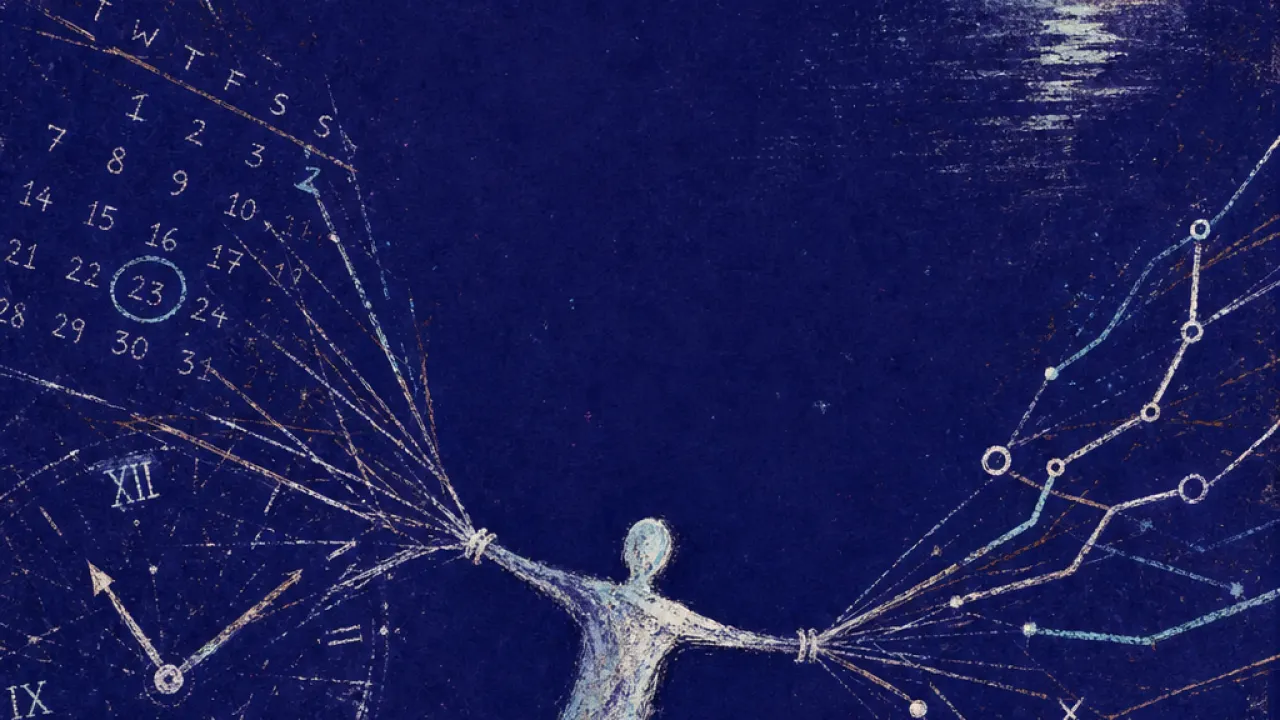
A solitary figure pulled from a distant lit room by calendar pages, clock hands, and transit lines in deep indigo space

What is this situation?

Family Time Scarcity — you notice it first in the calendar, not in a dramatic argument: the dinner that gets moved twice, the call squeezed between errands, the birthday visit that becomes a group chat message because flights, shifts, rent, deadlines, and distance all got there first. You want to be present, but the week is already claimed by work hours that run late, commute time that eats the evening, different time zones, childcare windows, school breaks that do not line up, and the quiet price tag attached to every visit. The people you care about are still there, but access to them has become logistical: comparing schedules, apologizing for slow replies, sending photos instead of sitting across from each other, turning affection into calendar invites and half-finished voice notes. No single person may be blocking you, yet the outside world keeps deciding when you can gather, how long you can stay, and how much energy you have left when you finally arrive. Over time, family life starts to feel like something happening in the margins of everything else, much like the figure on the Eight of Pentacles, bent over the work directly in front of them while the town and the life behind them sit at a distance.

Why it's not you?

The problem is not that you care too little or manage time badly. Family Time Scarcity is created by external pressures: work schedules, money limits, travel distance, housing costs, and systems that treat personal time as endlessly flexible. When connection keeps getting reduced to scraps of availability, that is the shape of the situation, not a flaw in you.

Family Time Scarcity in Tarot Cards

Family Time Scarcity turns ordinary connection into a scheduling problem, where shared meals, calls, and visits have to compete with work, rent, commutes, and travel costs. The tight chest you feel while watching another plan slide off the calendar belongs to an environmental, structural dynamic, not to a personal failure to care enough. This kind of scarcity is built by systems that keep pulling time outward before it can gather in one room. These Tarot Cards reflect the shape of that pressure without telling you what to choose.

The Lovers
Upright
Two figures stand exposed beneath an angel, with a mountain rising between their positions. The open scene makes a values conflict visible: a paid shift, deadline, or housing obligation may protect material stability while consuming the same hours needed for family presence. The figures are awake and facing the conditions around them, giving the upright image the quality of an explicit choice rather than an unnoticed default. You are confronting competing goods, not choosing between caring and not caring, and the real cost lies in which value repeatedly becomes negotiable.
The Chariot
Reversed
A prepared driver stands inside a heavy chariot while two opposing sphinxes hold the vehicle at the edge of the city. In the reversed register, the journey to family is blocked by forces that will not coordinate: work approval, transport, cost, care arrangements, fatigue, and several households' calendars. The driver remains present and equipped, so stalled travel does not equal missing intent. You can be fully willing to gather while the practical system repeatedly fails to produce one direction in which everyone can move.
Wheel of Fortune
Reversed
A large wheel turns among figures rising, falling, and holding position at its edges. In the reversed register, that crowded mechanism resembles recurring timetable mismatch: peak work periods, school breaks, leave windows, fare changes, and family availability rotate without producing a usable point of convergence. The wheel is systemic rather than personally steerable, which keeps the blockage from becoming a character judgment. You may plan carefully and still encounter the same bad overlap because each calendar is moving according to a different cycle.
Temperance
Reversed
An angel attempts to connect two cups while occupying land and water at the same time, with a narrow route running toward the horizon. In the reversed register, the family system lacks a stable container in which shifts, time zones, school breaks, childcare, travel, and rest can actually mix. The two cups remain related, but the transfer between them cannot settle into continuity. You may sustain affection across fragments while the external calendars keep producing contact in scraps rather than a shared rhythm.
The Devil
Upright
Two people wear loose chains beneath a pedestal that makes the power above them appear larger and immovable. The image exposes a belief system in which work rules, rent, productivity, and constant availability are treated as fixed realities while family time is framed as endlessly negotiable. The chains are material and visible in the upright scene, so clarity begins with naming what actually holds the arrangement in place. You can separate genuine economic limits from inherited assumptions about which commitments deserve protection, turning self-blame into a more accurate audit of power and priority.
Five of Cups
Upright
A cloaked figure faces three spilled cups while two upright cups, a bridge, and a distant shelter remain behind him. The scene captures the emotional residue of missed dinners, cancelled visits, slow replies, and milestones witnessed through a screen rather than in person. The bridge and standing cups preserve relational continuity in the upright image without erasing the missed time. You can acknowledge the loss created by structural scarcity while recognising that regret is evidence of valued connection, not proof that you failed to care.
Ten of Cups
Reversed
A family stands together beneath a rainbow of cups, with children playing and a home visible across the landscape. In the reversed register, the complete picture remains recognisable but cannot settle into ordinary lived time, resembling a family mostly encountered through photos, planned calls, or idealised holiday snapshots. The shared home and raised arms preserve the reality of connection while the orientation blocks its continuity. You may love the people in the picture and still experience togetherness as an occasional image rather than a dependable feature of the week.
Two of Pentacles
Upright
Two coins circulate inside a continuous loop while the juggler adjusts his body to their changing weight and ships pitch behind him. The image closely matches a family system maintained through shared calendars, rescheduled meals, shift comparisons, childcare handoffs, and travel calculations. The upright figure still has coordination capacity, which explains how connection continues through calls, messages, and occasional visits. You are sustaining the relationship, but the need for constant juggling shows that family access has become logistical labour rather than dependable shared time.
Five of Pentacles
Upright
Two figures move through snow beneath a lit stained-glass window, visibly close to shelter yet separated from its warmth. The scene captures the material edge of family time scarcity, where rent, low wages, inaccessible transport, or unpaid leave keep a person outside a gathering they can clearly imagine. The illuminated window makes support and belonging visible in the upright scene, even as access remains uneven. You are not absent because the relationship lacks value; the cold path shows how financial exposure can decide who gets to enter family time and how often.
Eight of Pentacles
Upright
A worker sits absorbed at his bench while the products of repeated labour fill the foreground and the town sits at a distance. The spatial split closely mirrors family life happening beyond the schedule, with the next task always more immediate than the call, dinner, or visit behind it. The upright craft confirms that your work is real and often necessary; it does not require framing diligence as the enemy. The image instead exposes a social system that counts finished labour while leaving missed family presence off the ledger.
Ten of Pentacles
Reversed
An elder, adults, a child, and dogs occupy the same sheltered courtyard beneath an arch of ten pentacles. In the reversed register, this multigenerational scene becomes a visible family infrastructure that cannot be reliably inhabited because work, housing, distance, and money fragment access to it. The family network remains present in the image, so the blockage is not equivalent to emotional abandonment. You may still belong to a rich family system while lacking the ordinary time and material conditions needed to participate in its routines and traditions.
Two of Swords
Upright
A blindfolded figure holds two swords in a fixed cross while a rocky sea limits the shoreline behind her. The posture captures a calendar collision in which work, money, travel, and family obligations present themselves as mutually blocking claims. The conflict is fully held in the upright scene, making the two pressures identifiable even before movement occurs. You may appear indecisive from outside, but the crossed structure shows how either option carries a visible loss when no third window has been institutionally protected.
Six of Swords
Upright
A boat carries an adult and child across water while six swords stand between the passengers and the direction of travel. The scene captures relocation or necessary movement that creates safer work, study, or housing conditions while placing family life across a body of distance. The boat is moving in the upright image, so transition and continued connection remain possible. You may have made a necessary journey rather than rejected your family, yet every future reunion now carries the time, cost, and exhaustion of crossing back.
Two of Wands
Upright
A figure holds the world in one hand while looking from a walled position toward distant land and sea. The globe turns family time into a geographic problem shaped by relocation, cross-border living, housing costs, and the planning horizon required for a visit. The held wand preserves an available route, but the fixed wand shows how much of your life is already anchored elsewhere. Family connection can remain strong while spontaneous access disappears, leaving every reunion dependent on advance planning and material feasibility.
Three of Wands
Upright
A lone figure watches ships cross the water from a high, stationary position. The physical distance between watcher and vessels resembles family relationships maintained across cities, countries, time zones, and transport systems. The ships make connection possible in the upright scene, but they also establish that arrival cannot be immediate. You may have a family visit genuinely underway while spending much of the relationship waiting for fares, leave windows, or the next journey home.
Four of Wands
Reversed
Four decorated staffs form a celebratory threshold while figures raise bouquets near a gathering place. In the reversed register, the threshold remains visible but cannot function as a reliably accessible entrance, mirroring birthdays, holidays, and homecomings that become messages or postponed plans. The gathering has not disappeared as a valued image; the route into it has become unstable. You can remain emotionally included while work, cost, distance, and timing prevent your body from crossing into the shared occasion.
Eight of Wands
Reversed
Eight staffs travel above a river toward a distant settlement, filling the scene with messages and movement aimed at arrival. In the reversed register, that route fragments into delayed replies, abandoned calendar polls, changed bookings, and plans that remain active in the family chat without becoming shared physical time. The destination remains identifiable even when the channel fails. You can keep reaching toward family while the mechanisms of follow-through repeatedly stall, separating genuine contact attempts from reliable access.
Ten of Wands
Upright
Ten staffs crowd the carrier's arms and block his view of the town he is trying to reach. The image turns accumulated work, caregiving, errands, travel preparation, and household administration into a barrier standing directly between you and family presence. The town is near enough to remain a real destination in the upright scene, but arrival does not guarantee availability. You may reach the dinner or call carrying so much residual load that the time becomes shortened, distracted, or devoted to recovering from everything that preceded it.

Family Time Scarcity in Tarot Card Reading Insights

Family Time Scarcity is something people bring into readings when the calendar keeps breaking up the relationships they still want to show up for. The shift here is from the cards themselves to how this situation appears when others sit with it in a reading. Tarot Reading Insights from sessions shaped by this kind of time pressure.