Always Looking Okay For Them?

Explore staged family-image pressure, related tarot cards, and reading insights from people bringing this situation into sessions.

Family Album Performance Pressure
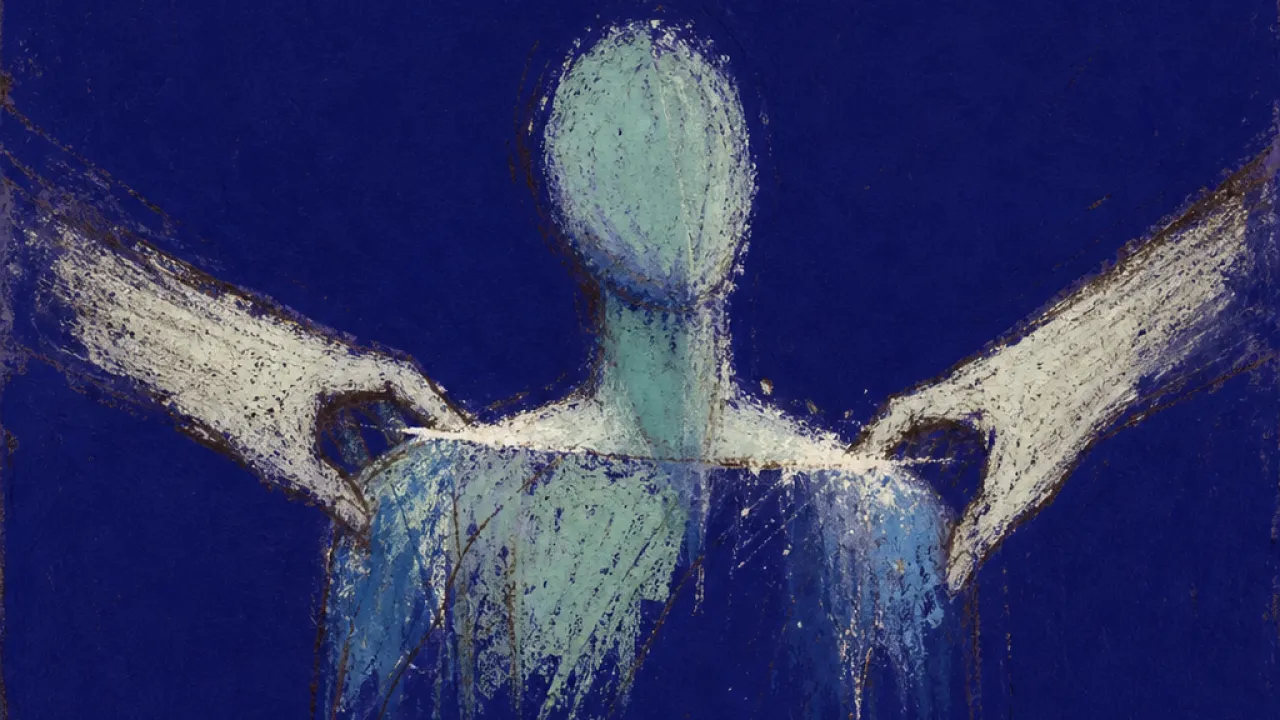
A solitary figure with shoulders pinned square by outside hands, photo frames and white glare closing in through indigo space

What is this situation?

Family Album Performance Pressure — you walk into a family birthday, holiday dinner, graduation weekend, or reunion and the camera is already part of the room. Someone is fixing the lighting, someone is telling you where to stand, someone is asking whether you have a better outfit, a more settled school or job update, a partner to mention, a smile that will look nicer in the group chat. The photo itself only takes a second, but the setup keeps spreading: relatives compare timelines, captions smooth over tension, old albums turn into evidence of who looked happy, who was missing, who seemed to be doing well, and who needs explaining. You learn to hold your posture while private complications get cropped out, to answer milestone questions in a tone that will not start a side conversation, to let people arrange you into a version that can be posted, printed, or passed around later. The cost shows up in small physical ways: your shoulders lock when someone says 'one more,' your jaw sets before the flash, your body stays in the frame even when the room has stopped feeling like yours. By the time the photos are shared, the gathering has turned into a performance review disguised as memory-making, much like the figure on the Six of Wands, lifted above the crowd with a wreath in view and expected to keep looking like a win.

Why it's not you?

The issue isn't that you are difficult at family events; it's that the event is turning private life into a display. Cameras, captions, milestone questions, and comparison routines can make belonging feel conditional on looking polished. That pressure comes from the setup around you, not from a flaw in how you show up.

Family Album Performance Pressure in Tarot Cards

Family Album Performance Pressure turns family gatherings, photo captions, and milestone questions into a display you have to stand inside. The locked shoulders that show up when someone says 'one more' are part of the setting, not a private flaw. This is an environmental, structural dynamic: the room organizes attention around proof, comparison, and a polished image. The Tarot Cards below reflect the outline of that pressure without telling you what to perform next.

The Hierophant
Upright
The enthroned teacher raises a formal hand between two pillars while two acolytes kneel below crossed keys. The symmetry, prescribed positions, ceremonial clothing, and visible hierarchy resemble a family ritual in which someone decides where everyone stands, what counts as appropriate presentation, and which milestones deserve public recognition. Upright, the ceremony offers access to tradition, continuity, and collective belonging, but those resources arrive through an established script. You can be welcomed into the photograph while still being expected to wear the right outfit, provide a settled update, and avoid details that complicate the occasion. The pressure is produced when a shared memory ritual hardens into a compliance test and the person arranging the image is treated as the authority over how the family may appear.
Reversed
The crossed keys, fixed pillars, formal authority, and two followers positioned below him establish one sanctioned route into recognition. Applied to the family album, the arrangement resembles an approved life sequence in which education, career, partnership, home, and appearance must arrive in the expected order before the image is considered complete. Reversed, the sanctioned route is blocked or structurally misaligned with the life you are actually building. You may be moving through a legitimate career change, nontraditional relationship, delayed graduation, or uncertain transition while relatives demand a cleaner progress update for the photograph. The resulting direction problem is not a lack of purpose; it is the collision between a self-directed path and an inherited family script designed to make every stage publicly legible.
Judgement
Reversed
The trumpet above the exposed figures creates a vertical review structure: one call defines the moment, multiple bodies respond, and every compartment opens toward the same external standard. The family album can reproduce that structure by repeatedly calling up photographs, captions, and milestone updates as if they contain a final account of who you are. Reversed, the review blocks cognitive renewal because the family's recorded verdict remains louder than current evidence. You may begin measuring an evolving life by whether it can survive the next reunion photograph or produce a caption that will not invite questions. The growth bottleneck is therefore an inherited evaluation framework that mistakes visibility for truth and a finished image for a finished identity.
The World
Reversed
The central figure is posed inside an oval wreath, holding a wand in each hand while four fixed emblems occupy the corners like witnesses around an ornate frame. The composition presents completion as a total image: the subject is centered, the border is closed, and every surrounding position confirms that the cycle has reached a publicly readable endpoint. Reversed, that finished frame is available before your actual life has reached comparable closure. You may be expected to look settled at graduation, established during a career transition, happily partnered amid uncertainty, or completely recovered from a difficult period because the family photograph needs a conclusive caption. The direction pressure comes from forcing an unfinished path into a completed image, not from the path lacking validity while it remains open.
Six of Cups
Reversed
Two children stand in an old courtyard among six flower-filled cups, with a large house and an adult figure receding in the background. The enclosed setting and child-sized exchange carry the visual texture of an old family album: a preserved scene that appears innocent, complete, and available for later generations to interpret. Reversed, the past is no longer an uncomplicated source of comfort; it blocks your present identity by fixing an earlier version of you in place. At a reunion, relatives may use childhood photographs, old captions, or familiar family stories to decide who you still are and how far you should have progressed. You are then asked to reproduce continuity for the camera even when your actual life has changed beyond the role the archive assigned.
Ten of Cups
Reversed
The rainbow of ten cups arches above a couple with raised arms while two children dance near a home, river, and open landscape. The tableau presents family happiness as a complete, immediately readable image: every role is visible, the setting looks secure, and the emotional conclusion appears settled before anyone has spoken. Reversed, access to that shared harmony is blocked even though its visual template continues to govern the room. You may be asked to smile inside a family composition that cannot represent conflict, distance, grief, ambiguity, or a life that does not fit the expected roles. The photograph becomes a substitute for relational repair, and the mismatch explains why a cheerful image can leave you feeling more exposed rather than more connected.
Ten of Pentacles
Reversed
The seated elder, younger couple, child, dogs, heraldic archway, and ten pentacles create a dense multigenerational display of lineage, continuity, and material standing. The figures occupy a setting that already reads like an inherited family record, where age, partnership, children, home, status, and legacy can all be inspected within one frame. Reversed, the legacy container remains visible while secure membership within it is obstructed by comparison, instability, or disagreement about what counts as family success. You may be treated as a missing milestone, a caption problem, or the relative whose job, education, relationship, or appearance requires explanation. The pressure comes from an archive being used as a family status ledger, not from your life being less legitimate because it has not followed the inherited sequence.
Eight of Swords
Upright
The blindfolded figure stands with her torso bound inside a loose enclosure of eight swords, while wet ground limits her footing and a distant structure remains visible behind her. The arranged body, restricted sightline, and surrounding blades reproduce the physical logic of the camera moment: you are told where to stand, become highly aware of posture and expression, and lose access to the wider context of what you actually feel. Upright, the constraint is active and embodied, but the loose bindings and incomplete sword enclosure also show that the arrangement is not identical to an inescapable reality. Repeated family scrutiny can remain in your psychological cache after the camera is lowered, leading you to rehearse answers, monitor your face, and keep performing for an audience that is no longer present. The image locates the freeze in an internalized family setup rather than treating it as a personal defect.
Four of Wands
Reversed
The four staffs hold a flowered garland over two figures raising bouquets, with a decorated gathering and a large home behind them. These are the visible ingredients of the birthday, graduation, wedding, or reunion photograph: a ceremonial threshold, a coordinated celebration, and a domestic setting prepared to communicate collective happiness. Reversed, the festive structure remains visible while reliable belonging inside it is blocked. You can be present beneath the decorations and still experience the gathering as unstable because unresolved tension, privacy concerns, or off-script life updates cannot enter the approved picture. The repeated request for one more photograph then becomes an attempt to stabilize the family image, leaving your body responsible for displaying cohesion that the room itself is not providing.
Six of Wands
Upright
The laurel-crowned rider sits above a crowd, carrying a wand topped with another wreath while surrounding figures raise their own staffs. The elevated body, visible recognition symbols, and assembled audience reproduce the structure of a family photograph designed to register as a win: you are positioned, displayed, and asked to provide a success story that everyone can recognize at a glance. Upright, the scene makes recognition available, but it also shows how that resource can become a performance contract. You may receive praise, inclusion, and enthusiastic circulation in the family group chat when your outfit, expression, relationship, school, or job update fits the expected caption. The pressure is therefore located in a family visibility system that rewards a polished milestone image, not in any failure of your private life to resemble the photograph.

Family Album Performance Pressure in Tarot Card Reading Insights

Family Album Performance Pressure is something people bring into readings when the family photo, caption, or group chat starts feeling like a display they cannot step out of. After the Tarot Cards, the focus shifts to how this pressure appears inside individual readings. Explore Tarot Reading Insights connected to this situation.

Psychological Contexts Related to Family Album Performance Pressure