Why Is The Door Half Open?

A grounded look at guarded group access, related tarot cards, and tarot reading insights from sessions around coded belonging.

Private Community Entry Barrier
What is this situation?

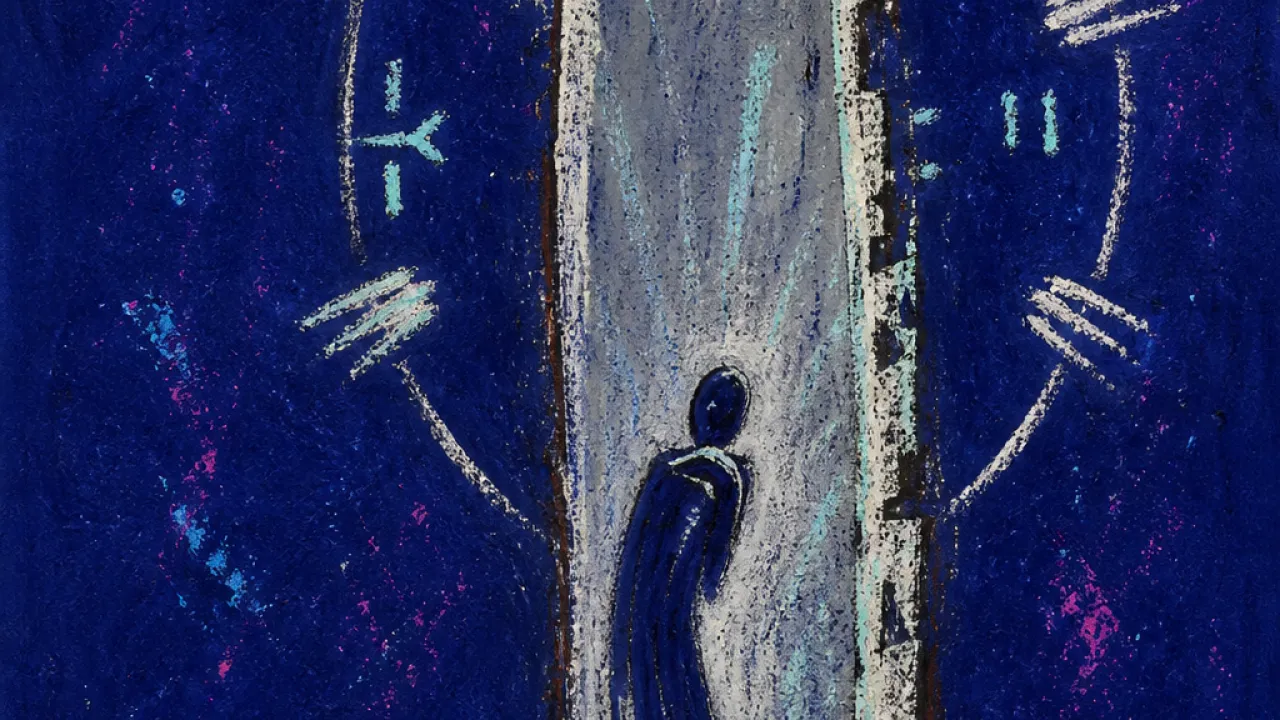
Private Community Entry Barrier — you find the group before you find the way in. It might be a niche Discord, a creative scene, a private alumni circle, a paid mastermind, a friendship group that formed before you arrived, or a professional-adjacent network where everyone seems to know the tone, the references, and the right level of closeness already. At first, nothing looks openly hostile: people reply politely, the events are visible, the posts are public enough to watch, and the language says things like "community," "members," "inner circle," or "apply to join." But once you step closer, the route gets narrow. Someone says invitations happen through "fit," another person hints that you need to be seen around more, a thread goes quiet after you ask a normal question, and the important context seems to move through private chats, side conversations, quiet endorsements, and names you do not yet have access to. You can contribute, show up, pay attention, share work, or attend the open-facing parts, yet still remain parked at the edge while decisions, warmth, and recognition happen somewhere behind the visible layer. The pressure is not just wanting to belong; it is having to read a room that will not fully explain its rules while acting casual enough not to look like you are trying too hard. Over time, you start measuring every message, every RSVP, every delayed reply, every missing tag, and every invite you hear about after it happened. Your body learns the threshold before your mind has language for it: the small shoulder lift before you comment, the held breath before you ask who is going, the drop in your stomach when you realize the real conversation happened elsewhere. It is belonging made architectural: an inside, an outside, and a coded passage between them, much like the High Priestess seated between the black and white pillars, with the veil behind her making the entrance visible without making it simple to cross.

Why it's not you?

This is not about being too awkward, too eager, or not interesting enough. A private community entry barrier is built from social design: hidden norms, selective invitations, insider language, money, status cues, timing, and endorsement. When the path in is unclear, the confusion belongs to the gate as much as to anyone standing outside it.

Private Community Entry Barrier in Tarot Cards

The Private Community Entry Barrier is that visible-but-not-open room where your shoulder tightens before you post, attend, or ask for a way in. That physical pause is not separate from the setting; it belongs to an environmental, structural dynamic built from coded invitations, timing, sponsorship, and unclear legitimacy rules. The cards below do not decide whether the circle is worth entering; they reflect the shape of the threshold you are standing at. These are the Tarot Cards that tend to mirror this kind of guarded access.

The High Priestess Upright
The black and white pillars mark an entrance, but the veil and seated guardian make access selective. The scene is not an open classroom; it is a protected chamber with codes, symbols, and a watched doorway. In modern growth culture, that becomes the private community entry barrier around masterminds, retreats, inner circles, or invite-only learning spaces. You can see the promise of proximity, but the boundary asks whether access is based on readiness, status, money, or unspoken fit.
The Emperor Upright
The Emperor's throne sits high against the mountain range, with no casual path shown into the seat of power. The height, stone enclosure, crown, and fixed center make belonging look like access to a protected room rather than spontaneous warmth. When this appears around social belonging, the issue is not simply whether you are likable enough. You may be approaching a curated community, creative scene, alumni network, or invite-only circle where entry depends on endorsement, timing, and invisible standards that sit above ordinary friendliness.
The Hermit Reversed
The ridge is high, cold, and exposed, with the lantern visible but not easily reachable. The staff marks authority and access, while the cloak keeps the figure's inner world partially closed. Private communities often operate through that kind of threshold. You can see the light of the circle, the shared language, and the status it offers, but the route inward is guarded by unspoken codes, selective invitations, and a slow test of legitimacy.
The Moon Upright
The two towers stand like an entry system at the end of the road, while the dog and wolf occupy the nearer threshold. The path is not erased, but it is watched, coded, and narrowed by figures that react before the traveler has reached the gate. That visual architecture mirrors a community that appears open from a distance but operates through private access rules. You may be able to see the circle, attend the space, or follow the surface etiquette, yet the real permission structure sits inside gatekeepers, timing, and unspoken status cues.
The Sun Reversed
The stone wall protects the sunflowers, but it also makes the garden's warmth visibly contained. From the outside, the scene looks bright and alive; structurally, access is still controlled by a boundary. That is the texture of a private community, creative scene, or friendship circle that appears welcoming but operates through unspoken entry codes. You may see the belonging clearly, yet the card shows why access feels conditional: recognition depends on crossing a social threshold that has not been made transparent.
Queen of Cups Upright
The Queen sits near another shore, yet the image gives no bridge, path, or open doorway. The wall in the distance and the lidded cup both suggest a social field where access exists, but only through protected channels. For a person trying to enter a group, that structure can feel confusing because nothing looks openly hostile. The barrier is made of discretion, trust signals, private histories, and subtle rules about who gets invited into the inner layer. This context helps name the difference between a community that needs time to trust and a circle that keeps you permanently adjacent. The card makes the gate visible so you can stop mistaking unclear access for personal failure.
Ace of Pentacles Reversed
The manor and garden are visible, but the path reaches them through one narrow flowered arch. The picture allows you to see the protected space before you can actually enter it, which is the core tension of a private community entry barrier. In a friend group, that looks like warmth at the edge and unclear rules at the center. You may be close enough to glimpse belonging, yet still dependent on hidden invitations, insider timing, and gatekeepers who decide when access becomes real.
Five of Pentacles Reversed
The church window is bright, patterned, and socially legible, but the door is missing from the scene. The card presents a protected interior whose warmth can be seen from the street without revealing the route of entry. In social life, this becomes the private community that looks open from the outside but runs on invitations, context, status cues, or insider language. You can recognize that the circle has value, yet the practical path into it remains obscured. The pressure of the card sits in that mismatch: visibility without access. It helps separate a lack of worth from a blocked entry system, giving you a clearer read on whether the group is reachable, guarded, or simply not built for reciprocal entry.
Eight of Pentacles Reversed
The town is visible in the background, but the craftsperson remains stationed outside it, folded around a separate workbench. The path exists, yet the image does not place the worker inside the social center; it keeps them at the productive edge. That distance matters in a social reading because some communities appear open while their real entry points stay private. A person may attend the events, follow the rules, contribute visibly, and still remain outside the conversations where trust, invitations, and status are actually assigned. This card maps the barrier without turning it into personal failure. It shows a gatekeeping structure where access depends on insider recognition, and it helps You distinguish patient integration from a scene that keeps using your effort while withholding genuine entry.
Page of Pentacles Reversed
One coin dominates the Page’s field of vision while the wider landscape stays unoccupied. The object becomes an entry token, but the card shows no receiving circle, no open door, and no visible exchange on the other side. In private or status-coded communities, that structure turns belonging into a gate. You can bring the right interest, aesthetic, credential, spending power, or cultural reference and still find that access is controlled by rules nobody states directly. The pressure comes from exposure without reciprocity. The card helps name the difference between a group that takes time to open and a circle that keeps its center protected while asking outsiders to keep proving their value.
King of Pentacles Upright
The crenelated wall behind the King turns abundance into a private interior. The castle, manor, throne, crown, and scepter do not show an open field of equal access; they show a protected social domain with visible rank, ownership, and coded legitimacy. For social life, that becomes the experience of approaching a circle that looks stable, attractive, and well-resourced from the outside while its entry rules remain partially unspoken. You can sense that belonging depends on more than friendliness: taste, history, status, references, and who already recognizes you all shape the threshold. This card links the barrier to structure rather than personal inadequacy. The wall is real, the hierarchy is visible, and the work is to read the gate without mistaking someone else's private domain for the full measure of your social worth.

Private Community Entry Barrier in Tarot Card Reading Insights

When a Private Community Entry Barrier keeps someone close to the edge of a group, that question often gets brought into readings: is this a slow trust process, or a door that was never fully open? The readings below show how others have sat with that same threshold. Tarot Reading Insights from sessions around guarded access and coded belonging.

Psychological contexts related to Private Community Entry Barrier