When Speaking Feels Unsafe
A grounded look at this struggle, related tarot cards, and tarot reading insights from people bringing it into readings.

Voice-safety Fusion

What does this feel like?
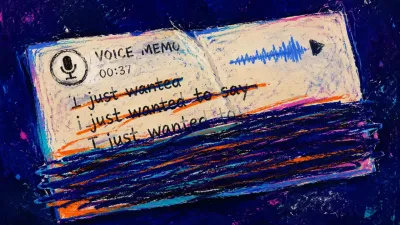
Voice-Safety Fusion — you notice it in the half-second before you answer a simple question, when your mouth opens and your body quietly asks whether it is safe to be direct. Someone says, "What do you think?" and your mind starts scanning the room faster than your words can form: their tone, their mood, the possible reaction, the version of your answer that will land cleanest. Your throat tightens before you even know what you want to say. You hear yourself softening the edge, adding a laugh, turning a clear no into "maybe," turning a real opinion into "I don't mind," and the strange part is that everyone thinks you are easygoing because the edit happens so smoothly. Alone later, the sentence you wanted comes back with perfect clarity, sharp and late, and you replay the moment while brushing your teeth or walking home or staring at your phone, annoyed that your own voice seems to arrive only after the room is gone. It is not that you have nothing to say. It is that somewhere inside the moment, speaking and staying safe have become welded together, so every honest word feels like it has to pass a security check before it reaches the air. You can be articulate in your head, generous in your messages, brilliant when no one is looking, but face-to-face you become careful, angled, translated. Over time, the cost is subtle: people know the agreeable version of you, the calm version, the low-maintenance version, while the part of you with weight and preference and edge starts living backstage. The silence protects you from impact, but it also keeps you unseen, much like the figure on the Two of Swords, blindfolded at the water's edge, holding two blades crossed over the chest as if the only way to stay steady is to guard the place where the words would come from.
What's pulling at you?
I’ll put it simply: you are caught between the need to say what is yours and the need to keep the room steady enough to stay in it. So your voice becomes a safety tool before it becomes an honest one, and every sentence gets edited for impact before it gets to be fully yours.
How It Shows Up?
- You are in a meeting or class and someone asks for thoughts; your answer is already formed, but your throat closes and you wait one beat too long. By the time you speak, the words have been softened into something safer, and your shoulders feel pulled inward like the crossed blades of the Two of Swords. It is enough to notice the edit without forcing the whole sentence out at once.
- A friend asks where you want to eat, what you want to watch, or whether something bothered you, and you hear yourself say, "I'm good with whatever," even as a clear preference flashes through you. Your stomach dips, your jaw locks for a second, and the room feels easier only because you made yourself smaller inside it. You can let the moment show you what you wanted, even if you did not say it yet.
- You are typing a message that should take ten seconds, but you keep deleting the direct version and rebuilding it with softer corners. Your thumb hovers over send, your chest feels tight, and you add an extra "no worries" even though there are, in fact, worries. It is okay to pause before sending without turning the whole message into a performance of being fine.
- At a party or group hang, someone says something you disagree with, and your body reacts before your face does: breath shallow, lips pressed together, eyes dropping to your drink. You smile at the right moment, nod just enough to keep the rhythm going, and feel the unsaid sentence settle behind your ribs like a small stone. You do not have to turn every room into a debate to admit to yourself that something in you moved.
- Late at night, you replay a conversation and finally say the honest version out loud to an empty room. The words sound solid there, almost surprising, and your chest aches with the gap between how clear you are alone and how careful you become around others. Letting the sentence exist privately can be a starting point, not a failure to speak sooner.
Voice-safety Fusion in Tarot Cards
When speaking plainly feels like risking your footing, the struggle is not only about words; it is about the way your body braces before your voice enters the room. The tight throat, the shallow breath, and the crossed-arm feeling around your chest show how much effort goes into staying contained. From an existential perspective, the structural framework here is about what happens when being heard and being safe feel locked together. The Tarot Cards below mirror that guarded shape without explaining it away.
Voice-safety Fusion in Tarot Card Reading Insights
Voice-Safety Fusion often shows up when someone brings the question of unsaid words, softened answers, and delayed honesty into a reading. The shift here moves from the cards themselves to the readings where this guarded voice pattern appears. Tarot Reading Insights from sessions on this struggle.
When Code-Switching Becomes Performance: Keeping Meaning Audible
Topic:Introspection Tarot Reading
Struggle:Belonging-Authenticity Split
Context:Unspoken Social Rules

Belonging Is Not a Tone Check: How to Adapt Without Erasing Yourself
Topic:Introspection Tarot Reading
Struggle:Belonging-Authenticity Split
Context:Corporate Conformity Pressure

Adult Perfect-Child Performance: From Approval Anxiety to Self-Trust
Topic:Family Tarot Reading
Struggle:Belonging-Authenticity Split
Context:Off-Script Family Path

Public Mask Collapse at Work: From a Deleted Draft to One Clear Reply
Topic:Personal Growth Tarot Reading
Struggle:Masked Self-Division
Context:Corporate Conformity Pressure

Two Apologies Deleted: From the Landlord Draft to Shared Coordination
Topic:Lifestyle Tarot Reading
Struggle:Responsibility-Authority Split
Context:Rental Maintenance Uncertainty

From a Spiritual Lesson Draft to a 32-Word Boundary Text in Six Days
Topic:Direction Tarot Reading
Struggle:Belonging-Authenticity Split

From "Whatever Works" to a Present-Tense Preference at Family Dinner
Topic:Family Tarot Reading
Struggle:Belonging-Authenticity Split
Context:Family Infantilization

The Train Drafts, One Adult Preference, and a Reshaped Holiday Plan
Topic:Family Tarot Reading
Struggle:Belonging-Authenticity Split
Context:Family Boundary Negotiation

Family-Role Regression: Saying "I Want to Finish This Thought"
Topic:Family Tarot Reading
Struggle:Belonging-Authenticity Split
Context:Designated Peacekeeper Role

Family-Role Regression: From Asking Permission to Leaving at Six
Topic:Family Tarot Reading
Struggle:Inherited Role Lock
Context:Family Boundary Negotiation