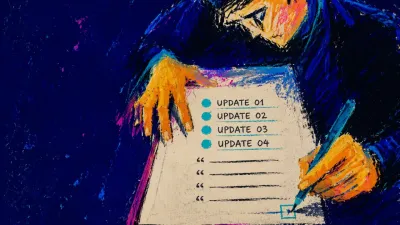
What Will This Cost Later?

Explore the guarded feeling behind loaded support, related tarot cards, and reading insights on care, cost, and obligation.

Transactional Unease
What does this feel like?

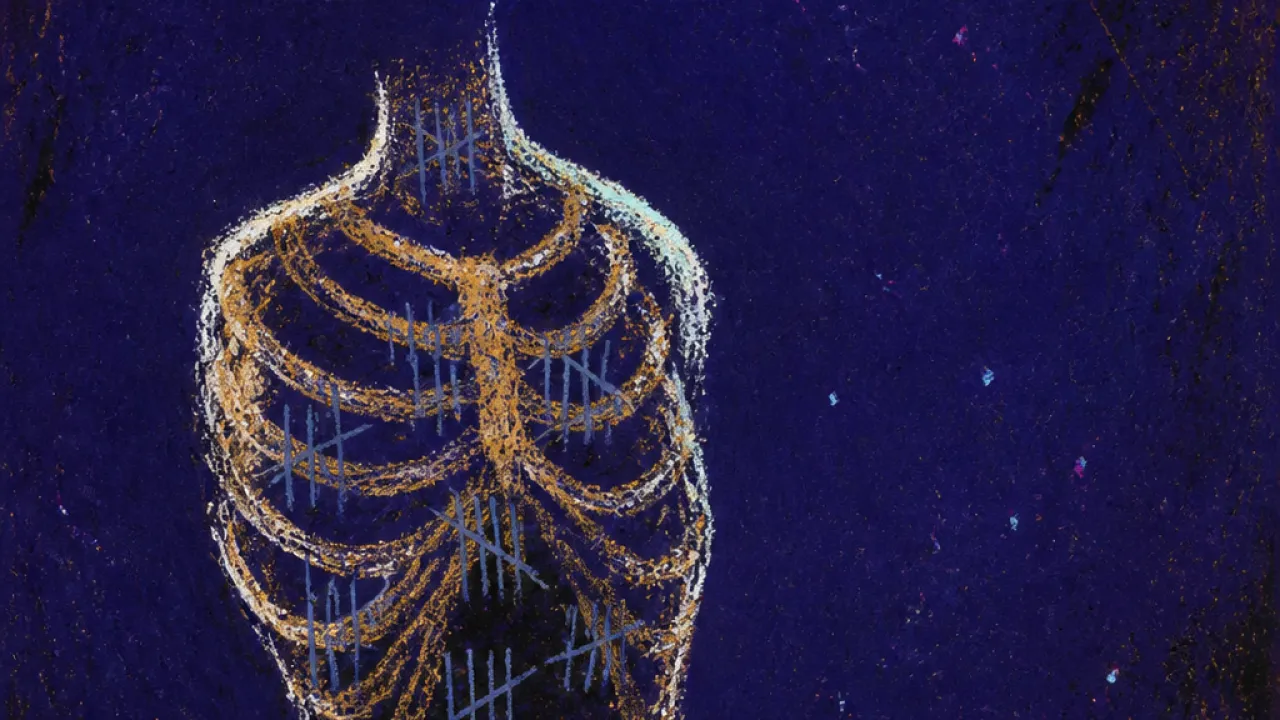
Transactional Unease is the small tightening under your ribs the moment support arrives looking helpful but slightly weighted, like your body has heard a price being named before your ears have. Your shoulders stay polite, your face keeps up, but inside you start tracking the room: who offered, who saw, what was implied, what might be brought up later. A favor, an invite, a recommendation, a reply, even kindness can feel wrapped in a thin strip of receipt paper, and you may dislike that you are counting because part of you still wants the warmth. You might say yes and then feel your stomach drop; you might say no and feel oddly guilty, as if refusing the help also means refusing the person. The unease lives in that gap between being grateful and being guarded, between wanting to trust the gesture and sensing the invisible ledger underneath it. Your inner voice gets quiet but sharp: What will this cost later? Who gets leverage if I accept? Am I being held, or being entered into someone else's account? It is not clean distrust; it is watchfulness around care, much like the Six of Pentacles, where coins fall from one hand while the scales stay in the other, and help reaches you already weighed.

Why you're feeling this?

Transactional Unease makes sense when your system is trying to tell the difference between support that feels open and support that feels tagged. You are not wrong for noticing the charge inside a helpful gesture. Some part of you is protecting your freedom to receive without being quietly owned.

Transactional Unease in Tarot Cards

That small tightening under your ribs is part of Transactional Unease: support arrives, and your body starts listening for the unnamed price. This is a universal emotional experience, especially when warmth and measurement seem to share the same gesture. Tarot gives the feeling a visible outline without turning it into a verdict. These Tarot Cards mirror the ledgers, scales, and guarded pauses inside Transactional Unease.

Six of Pentacles Upright
One hand releases coins while the other holds the scales, so care and calculation occupy the same gesture. The scene is generous, but it is also measured, public, and structured by who controls the timing of relief. That is the emotional logic behind Transactional Unease. You may sense warmth moving through your inner world, yet some part of you keeps asking what the exchange costs, who is keeping score, and whether support will later be used as proof of obligation. The Six of Pentacles anchors this feeling because its kindness is never detached from the instruments of value. The card gives a precise image for the unease that arises when emotional care reaches you through a channel that also feels monitored.
Reversed
The scales beside the coins make the act of giving feel measured before it feels generous. One hand releases resources while the other hand weighs, so the exchange carries a built-in question of balance, obligation, and who gets to decide what is enough. In personal growth, this becomes the uneasy feeling that every form of support has a hidden ledger attached. You may receive advice, access, encouragement, or opportunity, but part of you keeps calculating what will be expected in return and whether your growth is becoming something you must repay.
Seven of Pentacles Reversed
The pentacles are not abstract coins here; they grow on the vine like fruit. Care, value, labor, and outcome occupy the same image, making the harvest feel both alive and measurable. In family life, that mixture can produce Transactional Unease when affection starts to feel tied to what has been provided, repaid, inherited, sacrificed, or owed. The fallen coin near the feet becomes the uncomfortable evidence that even closeness can be treated like a resource to be tracked. The card exposes the ledger without endorsing it. It gives you a way to name the discomfort of family exchanges that look generous on the surface but leave your body waiting for the hidden cost to appear.
Eight of Pentacles Reversed
The pentacles line up like evidence of completed work, while the remaining coins stay close enough to be felt as pending tasks. The scene is practical and orderly, but that same order can make every unit of effort look measurable. In friendship, the visual ledger becomes an uneasy inner tally: who initiates, who apologizes, who listens, who cancels, who remembers, who gets carried. You may dislike the counting, yet the imbalance keeps making itself countable. Transactional Unease names the discomfort of noticing that a bond has started to feel audited. The card does not reduce care to exchange; it exposes the moment when unequal care has become so patterned that your inner system starts tracking it for protection.
Ten of Pentacles Reversed
The crest holds a balance beside castle imagery, while coins, property, noble clothing, and city walls make resources impossible to ignore. The scene places care, status, and access inside the same architectural frame. Transactional Unease arises when family help feels emotionally priced even without anyone naming the price out loud. You may receive a gift, favor, room, introduction, or approval, and the card mirrors the unsettled sense that something will later be counted against your autonomy.
Page of Pentacles Reversed
The Page appears to announce something through the coin itself, as if the message has been condensed into a material token. The hands are gentle, but the object is central enough to interrupt direct contact. Within family exchanges, that structure mirrors the uneasy moment when help stops feeling simple and starts feeling loaded with invisible terms. Transactional Unease is the inner tightening that comes when affection, support, or generosity seems to arrive with an unspoken ledger attached.
Knight of Pentacles Reversed
The pentacle sits between the knight's hand and the horizon, a solid object of value held at the front of the body. In the reversed emotional field, that object becomes a checkpoint, making every exchange pass through the question of what was given, owed, or withheld. In friendship, Transactional Unease appears when affection starts to feel measured even though You never wanted the relationship to become a balance sheet. The card names the discomfort of noticing imbalance without wanting to reduce love, time, and loyalty to numbers.
Queen of Pentacles Reversed
The pentacle sits exactly where the Queen's gaze lands, turning care, value, and attention into one concentrated object. When that focus tightens, the garden's living exchange starts to feel secondary to what is being held, counted, and protected. In friendship, this becomes the uneasy feeling that generosity has acquired a ledger. You are sensing the difference between mutual care and invisible accounting, and the card gives that discomfort a concrete shape.
King of Pentacles Reversed
The pentacle is pressed close while the scepter and black marble throne keep the king's resources visibly under command. The lush estate no longer reads as shared ground; it resembles a private ledger of ownership, favors, and control. Inside friendship, that structure becomes the uneasy sense that care has acquired a price tag. You may still be giving and receiving, but the nervous accounting underneath makes every message, meal, ride, or emotional favor feel loaded.
Seven of Swords Upright
The scene is built around an uneven count: five swords in the figure's arms, two left standing behind. Nothing is fully stolen and nothing is fully returned; the visual field keeps score through what is carried, what is abandoned, and what becomes a boundary marker. Transactional Unease enters when friendship starts to feel like a ledger even though you wish it could stay simple. You notice who initiates, who listens, who borrows energy, who apologizes, and who gets to stay messy without consequence. The card makes that discomfort concrete: the relationship has not lost all care, but the balance has become visible enough that you can no longer unsee it.
Three of Wands Reversed
The trade ships on the horizon and the checkered cloth on the figure’s shoulder give the scene a measured, strategic texture. Everything is positioned, counted, and watched from a distance, as if movement must prove its value before it can be trusted. Transactional Unease shows up when friendship starts to feel less like shared warmth and more like quiet accounting. The card names the discomfort of noticing who initiates, who listens, who returns care, and how quickly affection becomes a balance sheet when mutuality is uncertain.

Transactional Unease in Tarot Card Reading Insights

For anyone who has felt Transactional Unease, others have brought that same guarded yes into readings, with the body still listening for what the offer might cost. The pieces below shift from card images into reading moments where support, obligation, and scorekeeping sit in the same room. Tarot Reading Insights for Transactional Unease.

Psychological emtions related to Transactional Unease