No Room Feels Fully Yours

A grounded look at shared-housing privacy pressure, related tarot cards, and tarot reading insights from similar flatshare tensions.

Flatshare Privacy Pressure
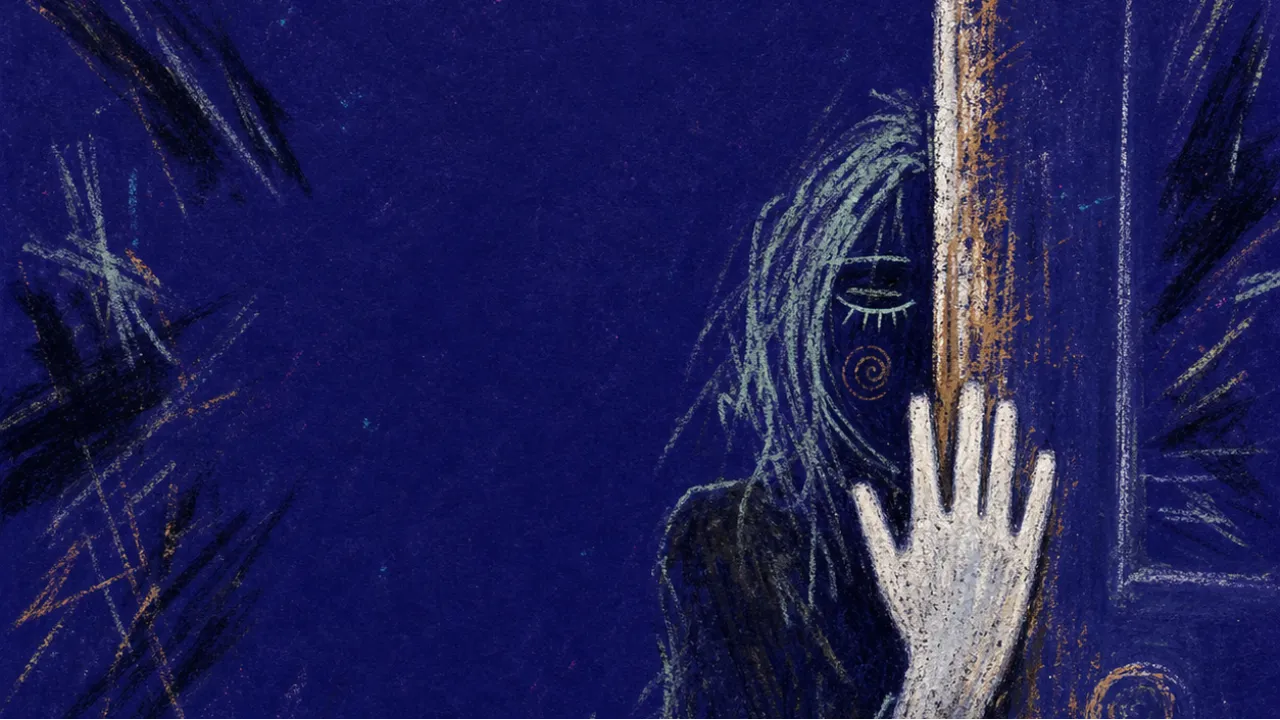
A solitary figure bracing behind a half-closed door as hallway shadows and notes press inward through the frame

What is this situation?

Flatshare Privacy Pressure — you move into a shared place because the rent makes sense, the location works, and everyone seems easy enough at first. Then daily life starts folding your private time into everyone else’s routines: someone is always in the kitchen when you just want to make food without a conversation, the bathroom schedule quietly controls your morning, footsteps stop outside your door, and the house chat turns small things into public negotiations. Your room becomes the only place that is technically yours, but even that does not feel sealed off; sound travels through the walls, people knock when your headphones are on, parcels get opened by mistake, and a closed door starts to feel like a statement you have to defend. You begin timing your showers, eating at odd hours, lowering your voice on calls, hiding snacks or laundry or a bad mood because the house has too many witnesses and too few true edges. No one has to be openly hostile for the pressure to work; the structure of the flatshare keeps pressing other people’s habits, noise, questions, and schedules against your need for a private self. By the end of the week, you are not only tired from work or study, but from managing visibility inside the place that is supposed to let you switch off, much like the figure on the Seven of Wands, standing alone on uneven ground while raised staffs push in from below.

Why it's not you?

The problem is not that you are being difficult, antisocial, or too private. A shared home can become exhausting when the layout, habits, noise, and house rules make personal space feel negotiable instead of basic. That pressure belongs to the living arrangement and the way people move through it, not to some flaw in you.

Flatshare Privacy Pressure in Tarot Cards

Flatshare Privacy Pressure is not just about living with other people; it is the daily compression of your room, routines, and downtime by a shared home that keeps crossing into them. The shoulders tightening when you hear footsteps outside your door, or the way your body stays alert in the kitchen, comes from an environmental, structural dynamic built into the house itself. The Tarot Cards below reflect the outline of that pressure: defended space, interrupted rest, and the effort of keeping one small corner intact.

The High Priestess
Reversed
The veiled High Priestess sits between two pillars with a partly concealed scroll, marking a threshold between what is publicly present and what remains privately held. Reversed, the threshold loses practical authority: a closed bedroom door does not contain sound, personal details leak into communal awareness, and private moods become visible before you choose to share them. The compromised veil shows how an external housing arrangement can obstruct access to a protected inner register. You are not simply withholding from others; the flat provides too few sealed edges for thoughts, calls, possessions, and emotions to remain yours long enough to be processed privately.
Two of Pentacles
Upright
The two pentacles rise and fall inside an unbroken loop while ships adjust to the waves behind the juggler. That moving rhythm mirrors a home where your access to silence, the kitchen, or the bathroom depends on when everyone else appears and disappears. Upright, the figure keeps the loop in motion without pretending the ground is stable. You can recognise that waiting for an empty room or moving a routine to an odd hour is a timing response to external household cycles, not proof that your need for privacy arrived at the wrong moment.
Four of Pentacles
Upright
The seated figure presses one pentacle to his chest, pins two beneath his feet, and keeps the city at a distance. Those points of physical control resemble the defensive organisation of a flatshare bedroom where food, laundry, parcels, personal information, and uninterrupted time all begin to feel like resources that must be held close. Upright, the figure still possesses a defined centre and can identify what belongs inside it. You may become unusually protective because your room is carrying the full burden of privacy that the wider home fails to provide; the grip reflects a scarcity of reliable boundaries, not a defective attitude toward sharing.
Four of Swords
Reversed
The resting figure remains enclosed by stone, glass, and swords, but the reversed orientation gives the chamber the quality of stillness that cannot deepen. A bedroom with thin walls and uncertain access can look private while leaving your mental background connected to every conversation, footstep, knock, and house-chat alert. The interrupted sanctuary shows an inner cache that never receives a complete pause from social visibility. You may have stopped working or studying, yet your attention is still managing whether you can speak, move, feel, or remain silent without attracting notice.
Seven of Swords
Upright
The departing figure looks back toward the group while carrying selected swords out of their field, visually managing what remains accessible to others. In a flatshare, the same social calculation appears when you conceal plans, moods, calls, food, or movements because any visible detail may invite questions or enter the house conversation. Upright, selective disclosure remains an available form of agency rather than evidence of bad faith. You are reducing the amount of personal material circulating through an overexposed group setting, while the image reveals the cost of needing covert methods to obtain an ordinary social boundary.
Eight of Swords
Upright
The blindfold, bindings, and surrounding swords concentrate the figure’s awareness on restriction even though the enclosure contains visible gaps. In a flatshare, constant audibility and uncertain interruption can produce the same narrowing inside your mental space, where calls are censored, moods are hidden, and spontaneous behaviour is screened before it becomes observable. Upright, the figure’s free feet preserve the ability to separate the house’s actual constraints from the wider field of self-censorship built around them. You can see how the environment has entered your internal decision process, making every ordinary expression pass through an imagined audience before it leaves the room.
Page of Swords
Reversed
The Page stands exposed on raised ground, gripping a sword while looking over his shoulder as wind moves through the entire scene. Reversed, that alert circulation becomes lateral scrutiny: footsteps pause near doors, private details travel through the house, and a group chat can convert observation into commentary before context is established. The Page’s blocked curiosity no longer opens understanding; it keeps the household scanning, speculating, and reacting. You may consequently experience ordinary acts as socially reportable because the flat’s information system has too few boundaries between noticing something and making it collective knowledge.
Five of Wands
Upright
The five figures occupy one field with their staffs crossing above and between them, making each person’s movement part of everyone else’s problem. The same group dynamic appears when a house chat turns a closed door, an unwashed mug, a visitor, or a request for quiet into a public negotiation. Upright, the visible contest allows the social structure to be named without assigning one resident the role of difficult outsider. You are dealing with a small group whose informal norms are being produced through repeated friction, and your privacy becomes exposed whenever the group treats personal limits as communal business.
Seven of Wands
Upright
The figure’s mismatched footing and raised staff show a person defining a position while external pressure tries to determine it for him. In a privacy-poor flatshare, the same struggle can force a deeper distinction between being considerate and making yourself permanently available for observation, conversation, or explanation. Upright, the defended height supports a workable internal standard rather than reflexive opposition. You can identify privacy as a condition that protects your functioning and identity, which loosens the inherited assumption that a good flatmate must always be accessible.
Nine of Wands
Upright
The wounded figure remains upright before a row of staffs, but his attention is still turned toward the next possible approach. In a shared home, repeated knocks, overheard calls, accidental parcel openings, and unpredictable conversations can leave part of your attention permanently stationed outside the bedroom door. Upright, the card holds awareness and endurance without pretending that vigilance is free. You can trace the difficulty switching off to accumulated environmental cues, which moves the explanation away from self-criticism and toward the repeated boundary tests stored in your mental background.
Ten of Wands
Upright
The bent figure carries a dense bundle of staffs that blocks his view even though the destination remains visible ahead. Flatshare privacy pressure creates a comparable load when every meal, shower, call, parcel, closed door, and bad mood requires an extra layer of planning or explanation. Upright, the road to the town remains open, so the domestic system is still functioning; what the image exposes is the amount being carried to keep it functioning. You are not only completing daily tasks but also absorbing the visibility management attached to each one, which is why home can feel like a second shift.

Flatshare Privacy Pressure in Tarot Card Reading Insights

Flatshare Privacy Pressure often enters readings through tiny details: a closed bedroom door, a crowded kitchen, a house chat that turns every boundary into a negotiation. Others have brought this shared-housing pressure into tarot readings, looking at what appears when privacy has to be defended instead of assumed. Tarot Reading Insights from these sessions are listed below.

Psychological Contexts Related to Flatshare Privacy Pressure