Still Facing What Spilled?
A clear view of regret's loop, connected to tarot cards and reading insights from similar questions.

Regret Lock
What does this feel like?
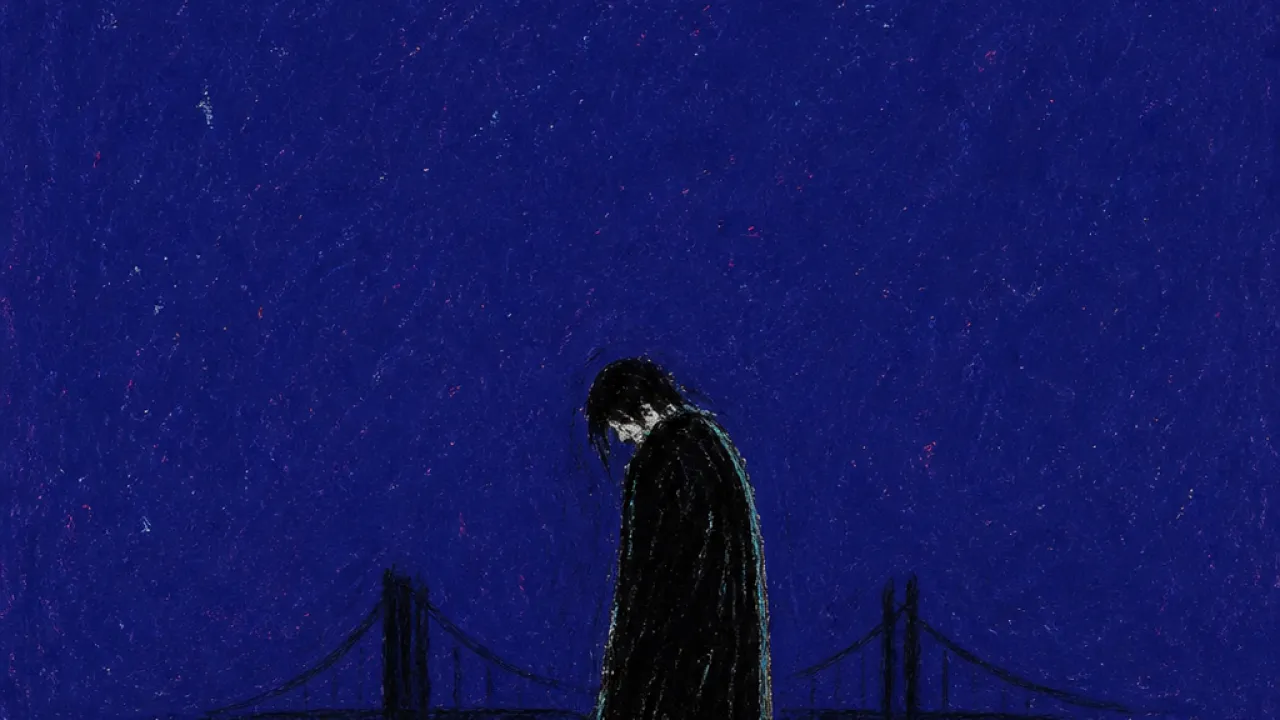
Regret Lock is the moment a past choice stops feeling like something you remember and starts feeling like the room you live in. You might be brushing your teeth, half-awake, when the scene drops back into your body: the message you sent too quickly, the person you did not call back, the interview answer that landed wrong, the breakup sentence you wish you could pull apart word by word. Your hand pauses on the sink. Your stomach tightens before your thoughts catch up. You tell yourself you are just trying to be honest, just trying to learn, just making sure you never miss that kind of thing again, but the review does not stay clean; it keeps narrowing until every later choice has to pass through the same old spill. You scroll back through screenshots you said you would delete, reread feedback you already understood, replay the exact tone of someone's voice until it feels less like memory and more like evidence. The strange part is that staying with it can feel responsible, almost decent, as if turning away would mean you did not care enough about what happened. But over time the rest of your life gets quieter around that one point. New invitations feel suspect, apologies feel unfinished, opportunities arrive already shadowed by what you failed to do before. You are not frozen because nothing is possible; you are frozen because one finished moment keeps being treated as the only reliable map. The cost is small at first and then everywhere: your attention stops turning toward what still stands, and review becomes a room, much like the figure in the Five of Cups, wrapped in a black cloak, facing the spilled cups while the bridge and the two upright cups wait behind an unturned back.
What's pulling at you?
You're not stuck because you care too much about the past; you're stuck because looking back has become the only way you can prove you are taking what happened seriously. Part of you wants to learn and stay accountable, while another part needs room to notice what is still available now, and both parts keep pulling on the same finished moment.
How It Shows Up?
- You open your camera roll at 1:17 AM to check one photo, and suddenly you are five years deep in screenshots, old chats, and dates you thought you had made peace with. Your thumb stops moving, your stomach pulls inward, and your breath gets so quiet you can hear the room around you; the screen feels like three cups still spilling in front of you while everything else sits just out of view. You can close the app without deciding what the memory means tonight.
- During a conversation with someone you care about, one ordinary phrase brushes against the old argument, and your whole body starts preparing a defense no one asked for. Your throat tightens, your shoulders lift, and you hear yourself choosing every word as if one wrong syllable will send you back to the exact place things tipped over. It is allowed to answer the sentence in front of you, not the whole history behind it.
- You sit down to start a task, but one line from a past review, rejection email, or public mistake keeps opening itself over the blank document. Your jaw locks, your eyes skim the same sentence without taking it in, and the bridge to the next step is technically there, but your gaze keeps dropping to the spill. You can treat this as a signal to slow the page down, not a final measure of your ability.
- At a group dinner, someone laughs about a minor plan that fell through, and your body flashes back to the hangout you missed or the friendship message you never answered. Heat rises into your ears, your smile arrives half a beat late, and you start scanning the room for proof that everyone still remembers the same moment you do. You are allowed to stay with the present conversation even if one part of you is still facing the old scene.
- Some days it shows up before the thought does: a tight band across your chest when a notification lights up, a small drop in your stomach when a calendar reminder appears, a hand hovering over a name you have not touched in months. The body seems to turn into the black-cloaked column, upright but narrowed, holding still around something that has already spilled. You can notice the sensation as information, without turning it into a verdict.
Regret Lock in Tarot Cards
Regret Lock lives where one past choice becomes the only evidence your attention keeps trusting. You can feel it in the tight throat, shallow breath, and hand hovering over a name you have not touched in months. From an existential view, the structural framework is simple: review is trying to protect meaning, but it has become the room that keeps you facing the spill. The Tarot Cards below make that closed posture visible.
Regret Lock in Tarot Card Reading Insights
When Regret Lock turns a breakup, missed message, rejection, or wrong turn into the only evidence that counts, others bring that same backward pull into readings. The focus shifts from the card list to what appears when someone asks for a clearer view of the loop. Tarot Reading Insights from related sessions.