Resting, But Still Braced?
Explore why recovery feels unsafe, with related tarot cards and tarot reading insights that mirror the pause-before-action split.

Recovery-action Split
What does this feel like?
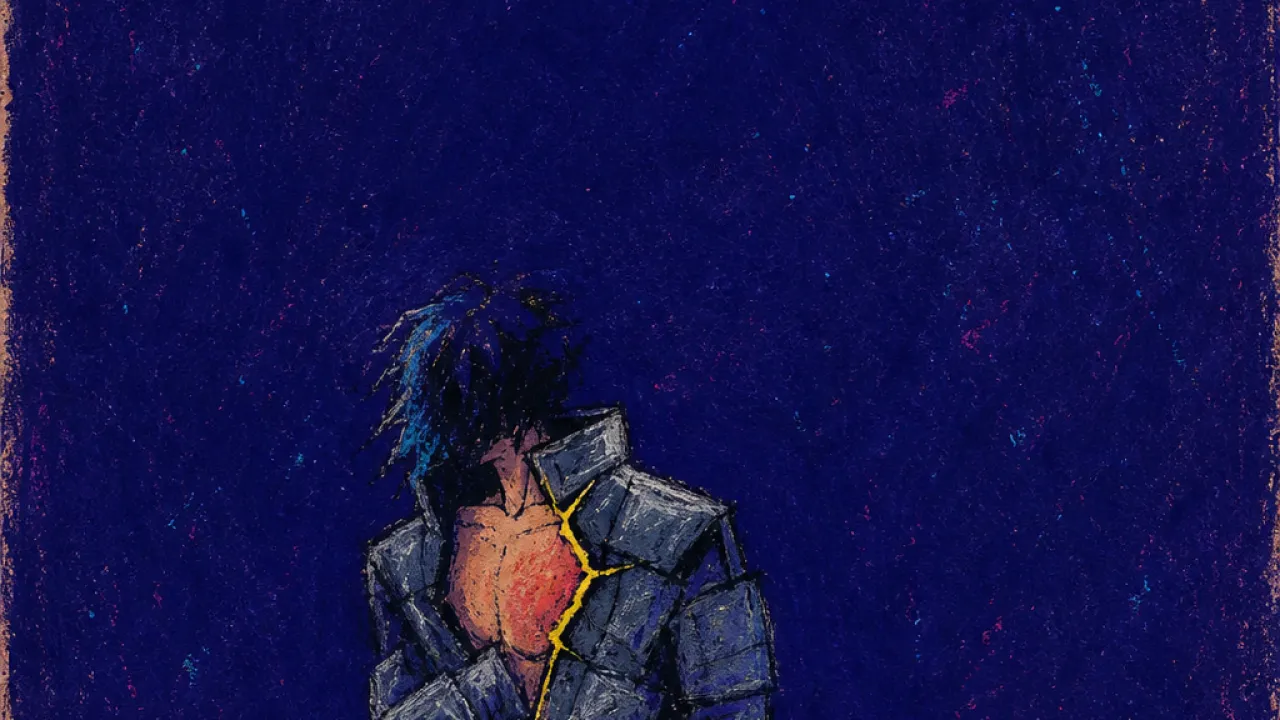
Recovery-Action Split is the moment you finally stop moving, and your body treats the stop like a threat instead of relief. You sit on the edge of your bed with your shoes still on, laptop half-closed, water glass untouched, telling yourself this is recovery because you are technically not doing anything, while your eyes keep flicking toward the unread messages, the half-built plan, the tab you left open so tomorrow would start faster. Your shoulders stay lifted as if someone might call your name, your breath stays short, and even lying down has the texture of waiting in a hallway outside your own life. Part of you knows you need sleep, food, quiet, a day where nothing has to be optimized; another part keeps checking whether the pause is making you fall behind, whether someone else is already moving, whether the future will punish you for being unavailable. So rest becomes another task you try to perform correctly - clean sheets, timer set, phone flipped over, eyes shut - but underneath it all you are still braced, rehearsing the comeback before you have let yourself land. The cost is subtle at first: recovery stops feeling like a place you can enter and becomes a checkpoint you have to pass before you are allowed to be useful again. You are not failing at rest; you are trapped in a room where the bed and the starting line have been pushed into the same corner, much like the Four of Swords, where the armored figure lies still beneath the swords, hands held in prayer, resting without removing the tools of unfinished action from the scene.
What's pulling at you?
You're caught between two reasonable needs: the need to stop long enough to recover, and the need to keep moving so your life still feels held together. Rest does not feel separate from action because there is no clean handoff between them; the pause immediately asks how you will restart, and the restart spends energy you were trying to restore.
How It Shows Up?
- You close your laptop at midnight but leave it open a few inches, like closing it all the way would make tomorrow harder to reach. Your calves are still buzzing from the day, your shoulders sit high around your ears, and your breath keeps stopping halfway in your chest. You tell yourself you are resting, then spend the next twenty minutes arranging alarms, notes, and tabs so the pause has an exit plan. It can be enough to notice that the room is still asking you to move, even while your body is asking you to stop.
- A friend texts, 'Are you free tonight or taking it easy?' and your thumb hovers because both answers feel slightly wrong. Saying yes feels like dragging a tired body back onto the stage; saying no makes your throat tighten, like you are proving you are slipping out of reach. You type three different replies, delete them, and stare at the little cursor blinking like it expects a performance. You can answer from the capacity you have tonight, without turning the answer into a verdict on who you are.
- At work or school, you block out an hour to recover after a heavy sprint, then spend it checking Slack, Canvas, Teams, email, or the document you promised you would not open. Your hand rests on the mouse, your jaw clicks, and the muscles between your shoulder blades stay tight, as if the three grey swords are still mounted above the part of you trying to lie down. By the time the hour ends, you have neither rested nor advanced, only hovered between both. The hour still counts as information; you do not have to turn it into another grade.
- You are at drinks, brunch, or a group hang, and someone starts talking about their next plan, next move, next grind. You nod at the right moments, but your ribs feel tight and your hands keep wrapping around your glass as if it is a staff holding you upright. The room is moving at launch speed, and you are standing inside it with the white-bandage feeling of someone who has not finished absorbing the last impact. You can let the room have its pace without forcing your body to match it.
- You notice it most when you finally get home and do not take off your jacket, even though you have nowhere else to go. Your bag stays by your feet, your phone is face-down beside you, and your chest feels compressed, like a narrow boat is moving while the passenger inside stays folded and silent. You keep thinking, 'I should stretch, cook, reply, reset,' but every option seems to borrow from the same small battery. You can let the mixed signal exist for a while before choosing the next small motion.
Recovery-action Split in Tarot Cards
Recovery-Action Split is the place where recovery and forward motion get forced into the same lane, so stopping feels like losing your place and moving feels like spending what you are trying to restore. You can feel it in the raised shoulders, tight ribs, jaw clicks, and half-finished breath that show up even during scheduled downtime. From an existential angle, the structural framework is about a pause that cannot feel safe until it has a believable way back into motion. The Tarot Cards below mirror that held pause, the braced body, and the narrow crossing between rest and restart.
Recovery-action Split in Tarot Card Reading Insights
Recovery-Action Split often enters a reading as the question of how to restart without turning rest into another performance. Others bring the same laptop-beside-the-bed feeling into readings when time off still feels guarded and motion still feels expensive. Tarot Reading Insights from related readings.
Opening the Portal for Ten Minutes: From Shame to One Next Task
Topic:Study Tarot Reading
Struggle:Academic Shame Spiral
Context:Attention Economy Study Trap

Post-Work Couch Rot, Reframed as a Ten-Minute Work-to-Rest Handover
Topic:Lifestyle Tarot Reading
Pattern:Black-and-White Thinking
Context:Life Admin Backlog

An Unsent Advisor Email Becomes a One-Question Re-Entry Plan
Topic:Study Tarot Reading
Struggle:Clarity-Exposure Split
Context:Off-Script Academic Path

One Adviser Email: From Readiness Tests to a Bounded Return Plan
Topic:Timing Tarot Reading
Struggle:Recovery-Action Split
Context:Social Clock Pressure

Why Days Off Become Recovery: From Shutdown Toward Cautious Aliveness
Topic:Lifestyle Tarot Reading
Struggle:Energy Distribution Strain
Context:Work Life Integration Trial

"Maybe Next Week" Stayed Unsent, Then a One-Hour Coffee Felt Possible
Topic:Timing Tarot Reading
Struggle:Recovery-Action Split
Context:Conditional Belonging Pressure

Shame-Driven Student Portal Avoidance—And a Facts-First Way Back
Topic:Study Tarot Reading
Pattern:Catastrophizing
Context:Academic Recovery Window

Moving the Red Card Again, Then Sending a Realistic Timeline Update
Topic:Lifestyle Tarot Reading
Struggle:Productivity Shame Bind
Context:Always On Availability
Retitling the Thesis Advisor Draft, Then Sending One Bounded Question
Topic:Study Tarot Reading
Struggle:Academic Shame Spiral
Context:Academic Collaboration Trial

A 23-Minute Coffee Turned a Readiness Test Into Lived Evidence
Topic:Personal Growth Tarot Reading
Struggle:Perfect Readiness Trap
Context:Waiting Room Limbo