Is love becoming a ledger?

A clear audit of Transactional Intimacy, the tarot cards that mirror its ledger logic, and reading insights that echo it.

Transactional Intimacy
What is this really?

You keep translating closeness into evidence: who paid, who texted first, who showed up, who owed a favor, who proved commitment through effort, money, access, or usefulness. Underneath that accounting is a very understandable wish to make affection feel reliable, because clear terms can feel safer than vague warmth and clean boundaries can feel safer than guessing. Yet the ledger that promises safety can make tenderness feel like a contract, leaving you physically near someone while quietly scanning for the invoice, much like the reversed Six of Pentacles, where coins, scales, open hands, and uneven height turn care into something weighed before it can be received.

Why did it happen?

At some point, concrete exchanges may have made closeness easier to read: help meant care, effort meant loyalty, and visible proof meant you did not have to guess where you stood. Now that same inner pattern can keep running in the background, making your body check every kind gesture for hidden terms before warmth has a chance to land. The result can feel like mental overdraw: even good moments leave you tired, alert, and unsure whether anything was freely given.

How does it feel?

  • A friend offers to cover dinner and you give a quick laugh, tap the edge of your glass, and say, "I'll get the next one" before the moment can stay warm... afterward, your chest may feel slightly braced, as if kindness has already become a balance you need to settle; it is okay to let the unsettled feeling exist without turning it into an instant repayment plan.
  • Someone texts, "No pressure," and your thumb hovers over the screen while you mentally review the last favor, the last delay, the last time you were available... that pause might come with a tight jaw and a shallow breath, as if your body is checking the hidden terms before your mind has words for them; uncertainty can be allowed to sit there for a moment.
  • At work or in a group chat, you offer practical help with a polished, useful tone, then reread the replies to see whether your effort registered... your shoulders may stay lifted even after the task is done, like you are still waiting for proof that your place is secure; being unsure what your help means does not have to be solved immediately.
  • When someone is affectionate without asking for anything, you smile back but keep one eye on the pattern: what they want, what they gave, what they might mention later... in that split attention, your stomach may tighten and the room can feel less spacious, as if warmth has turned into a contract written in small print; that guardedness can be noticed without forcing it away.
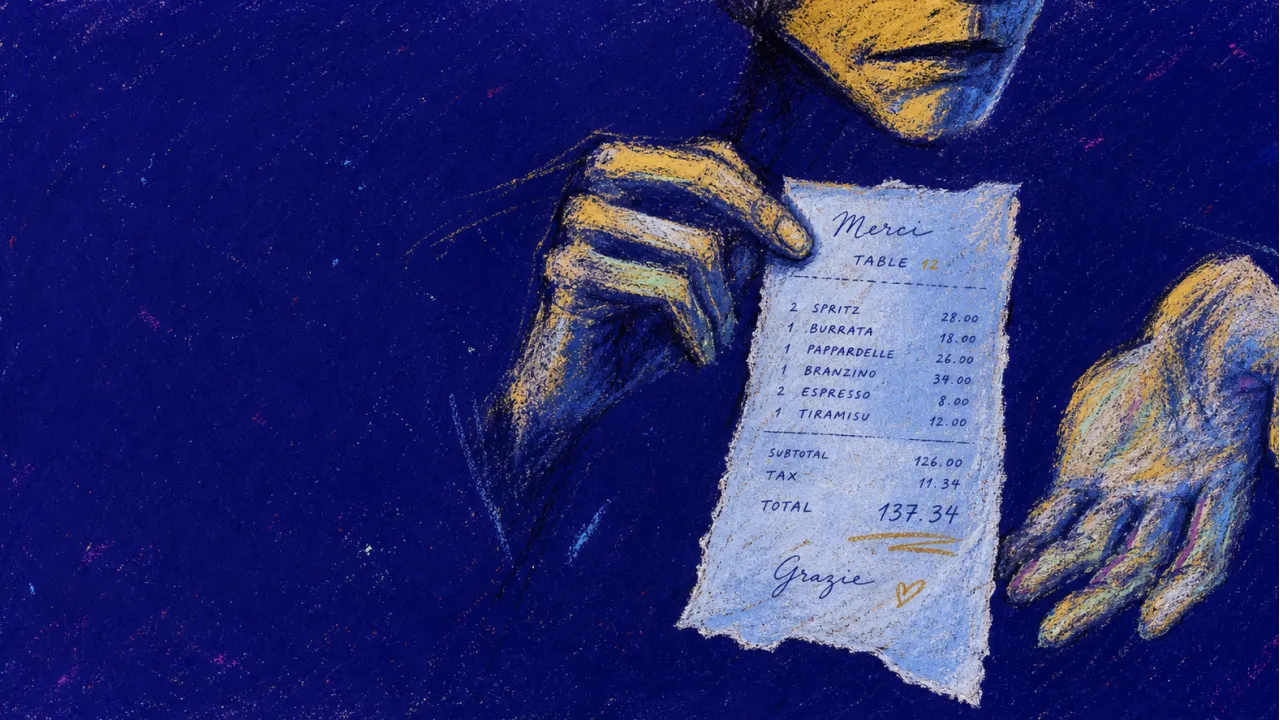
  • Alone after a date, call, or hangout, you replay the exchange like a receipt: who initiated, who paid, who listened longer, who seemed more invested... the back of your neck may feel hot while your body stays oddly still, caught between wanting closeness and auditing the evidence; you can name the audit without making it the final truth.

Transactional Intimacy in Tarot Cards

That instinct to replay every exchange like a receipt is the clearest signal of Transactional Intimacy. Your body may know it first in the shallow breath, tight jaw, or lifted shoulders that appear when care starts to feel priced. From a Jungian archetypal theory perspective, this pattern can be read as a visible conflict between the part that wants contact and the part that demands proof before contact feels safe. The Tarot Cards below mirror the unconscious dynamics of turning affection into evidence, debt, or measurable value.

Ace of Pentacles Reversed
The pentacle is presented as a tangible object, the garden is protected by a fence, and the archway controls the route into that protected space. Together, the symbols make security visible, desirable, and conditional on how access is negotiated. In the reversed texture, family closeness can start to feel like a contract. Help, money, housing, attention, and inclusion are not experienced as simple care; they carry implied repayment, emotional compliance, or future leverage. The relationship remains warm on the surface, but the nervous system keeps reading the terms. Transactional Intimacy is the pattern of confusing love with exchange. It teaches you to scan every family gesture for what will be owed later, making genuine connection harder to trust.
Four of Pentacles Upright
The town sits behind the figure while the pentacles occupy his head, heart, and feet. Social life is visible, but value is physically mapped onto possession rather than shared presence. The system translates connection into assets: access, usefulness, status, security, and emotional return. You may approach friendships, group chats, and networking spaces by asking what each tie protects or provides. Transactional Intimacy keeps you from wasting energy, but it also makes belonging feel conditional, as if closeness must prove its value before it can be trusted.
Reversed
The pentacles sit at the crown, heart, and feet, placing value over thought, feeling, and movement at the same time. The distant town is present, but the figure's main relationship is with what can be counted and secured. In friendship, this pattern converts care into exchange rates: access for loyalty, listening for obligation, favors for closeness. You may be trying to make a bond feel safe by making it measurable, but the card reveals the cost of replacing living reciprocity with a contract-like emotional economy.
Six of Pentacles Upright
The coins descend in a clean line while the scales hang beside the giver, turning care into a measured transaction. The kneeling figures receive, but the scene gives them no equal channel for direct exchange, emotional negotiation, or shared authority. That is the architecture of Transactional Intimacy in a family system. Closeness becomes easier to manage when it is routed through money, favors, errands, access, or practical rescue, because concrete exchanges feel safer than naming hurt, resentment, dependency, or control. You may find that love becomes most legible when someone is paying, proving, rescuing, or owing. The card exposes the hidden structure beneath that pattern: connection is present, but it has been forced to speak in the language of debt and usefulness.
Reversed
The moment of giving is staged through coins, scales, open hands, and a visible height difference between the figures. Nothing in the scene is purely emotional; care has become something counted, transferred, received, and implicitly remembered. Transactional Intimacy appears when friendship starts to feel secured by what someone provides rather than by mutual recognition. You may stay close through favors, crisis availability, secrets, or practical help, while the bond quietly asks for repayment instead of letting care remain free.
Eight of Pentacles Reversed
The pentacles are displayed like tangible units of value, each one separated, finished, and visible. The maker's private effort becomes something that can be counted from the outside, while the person behind the labor almost disappears into the task. When this structure enters romance, care can start functioning like currency. You may offer usefulness, gifts, emotional management, or constant availability because being needed feels safer than trusting that your presence is enough without a transaction attached.
Nine of Pentacles Reversed
The pentacles hang like fruit in the vine, turning labor, care, and reward into one visible crop. The hand that touches the pentacles also belongs to the figure holding the trained bird, so value and control occupy the same visual field. In a family system, this image maps to affection that arrives with terms attached. You may receive gifts, help, praise, or access, but the emotional ledger underneath asks for compliance, loyalty, availability, or silence in return.
Ten of Pentacles Upright
The ten pentacles hover over the scene as a separate structure, while the crest, home, wall, and arch make security highly visible. The emotional exchange between the couple is present, but the strongest symbols are the measurable ones: property, lineage, permanence, and public belonging. Transactional Intimacy forms when love is audited through what it can provide rather than how it actually feels. You may mistake a stable-looking future for emotional safety, choosing the relationship that looks protected even when the inner connection needs a more honest review.
Reversed
The ten pentacles hover as a formal structure over the family scene, separate from the actual bodies and conversations below. The estate, crest, arch, and wall make security visible, but they also turn belonging into something that can be displayed, measured, and guarded. Transactional Intimacy appears when care is offered through resources, access, status, or protection while an unspoken repayment system forms underneath. You may receive help, but the help arrives with a silent demand for loyalty, emotional availability, silence, or obedience. The psychological trap is that the support can be real and conditional at the same time. The card's material fullness exposes how family love can become confusing when generosity and control share the same container.
Page of Pentacles Reversed
The Page's hands do not reach toward another person; they hold a pentacle as the visible measure of value. The object is stable, countable, and carefully maintained, which makes it easier to trust than an unspoken emotional field. Transactional Intimacy forms when love has to become measurable before it can feel real. In a relationship, care may be converted into effort totals, gifts, plans, reply speed, practical support, or visible investment, because those things feel safer than ambiguous affection. You may be trying to protect yourself from vague promises, but the ledger can quietly replace contact. The card shows how a real need for reliability can harden into a system where love must keep proving its value before it is allowed to be felt.
Queen of Pentacles Reversed
The pentacle sits at the center of the Queen's attention, framed by a throne, garden, and visible signs of comfort. When the image is strained, love can become organized around what is tangible, useful, demonstrable, or worth keeping. The psychological move is a translation of intimacy into measurable proof. Instead of asking whether the bond feels emotionally true, the system looks for evidence in provision, usefulness, loyalty displays, or who has invested more. In love, this pattern can make tenderness feel contractual. The card's material richness reveals the trap clearly: when value must always be proven through contribution, the relationship may become secure on paper while the softer emotional exchange becomes harder to trust.
King of Pentacles Reversed
The King holds the pentacle and scepter as separate instruments of value and rule, while the estate behind him makes security visible through property, management, and control. The scene is relational only through what is provided, protected, and governed. Reversed, this becomes Transactional Intimacy in the family field. Affection is translated into contribution: money, housing, sacrifice, achievement, access, or usefulness. Love becomes harder to feel unless it is attached to what someone gives or controls. The card's material language makes the pattern precise. When care is only recognized through tangible exchange, emotional connection loses its own voice. The audit is not asking whether resources matter; it is revealing when resources have become the main proof of belonging.
Seven of Swords Reversed
The figure removes five swords from a camp that still stands behind him, leaving two visible markers in the shared field. The action is private, tactical, and materially one-sided; the scene is organized around what can be taken without entering open exchange. In the reversed texture, that tactical movement hardens into a relational economy. The swords stop looking like tools of strategy and start looking like units of access, usefulness, leverage, or emotional supply, while the tents behind him represent the social field that is being quietly mined. In friendship, Transactional Intimacy appears when closeness is maintained because someone provides attention, status, convenience, secrets, crisis support, or emotional labor. The Seven of Swords connects strongly because it shows the hidden conversion of relationship into resource extraction, where the bond remains visible but reciprocity has gone missing.
Six of Wands Reversed
The laurel wreaths, decorated horse, and raised wand make the victory visible as a reward system. The rider is not simply present; he is displayed as someone who has earned recognition and is now being received by the group. Transactional Intimacy forms when love starts to feel like a reward for performance. You may become impressive, useful, desirable, composed, or publicly validating because affection feels conditional on maintaining the right symbolic value. The card reveals the hidden contract inside that loop. The victory looks warm from the outside, but the psyche is quietly learning that closeness must be earned through proof rather than exchanged through mutual emotional presence.

Transactional Intimacy in Tarot Card Reading Insights

For anyone who replays closeness like a receipt, others have brought this same measured feeling into readings. The shift from cards to readings shows how this pattern can appear when people ask what is being given, owed, or quietly tracked. Below are Tarot Reading Insights that speak to this pattern.

Psychological patterns related to Transactional Intimacy