Why Does Closeness Feel Thin?

Explore the thin ache of watered-down closeness through related tarot cards and tarot reading insights shaped by this feeling.

Diluted Intimacy Ache
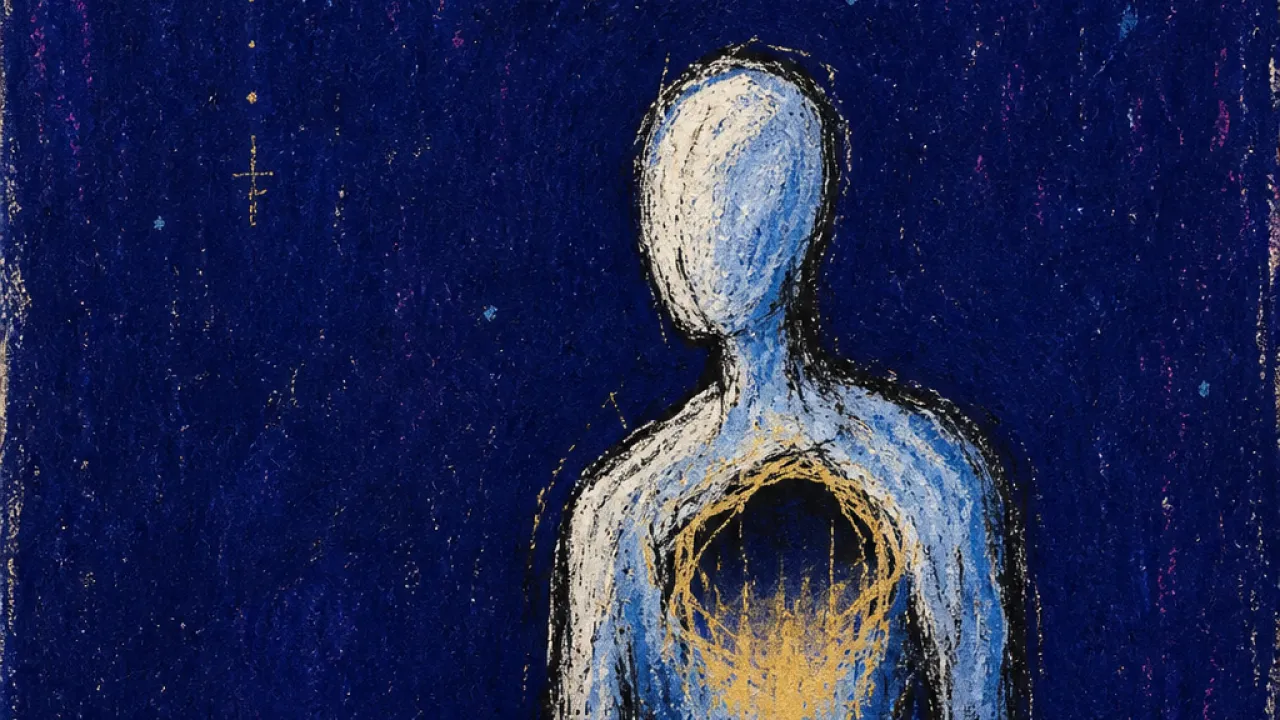
A solitary figure with a hollow chest glow fading into cold blue space, pale gold warmth thinning at the edges

What does this feel like?

Diluted Intimacy Ache — you feel it in the small drop after closeness, when a message comes through, a hand rests on your shoulder, a conversation technically happens, and yet something in you still feels underfed. It is not the absence of connection, exactly; it is the strange thinness of connection that should feel warm but arrives lukewarm, like tea left too long on the counter. Your chest may feel a little hollow, your throat a little tight, your body waiting for a fuller signal that never quite lands. You might replay a moment that looked fine from the outside and wonder why it left you feeling lonelier than before, why being included did not feel like being known, why physical nearness did not translate into emotional presence. You keep noticing the gap between what happened and what you needed to feel inside it, and that gap can ache more sharply because there is enough closeness there to keep you hoping, but not enough to let you settle. It can make you second-guess your own hunger for depth, as if wanting warmth without having to beg for it is somehow too much, when really your body is only noticing that something meant to be shared has been thinned out. It is the quiet pain of almost-intimacy, of receiving the outline of care without its full weight, much like the figure on the Four of Cups, sitting near the cups already present while another cup hangs in the air, close enough to see but not close enough to feel received.

Why you're feeling this?

Diluted Intimacy Ache makes sense when your system can feel contact but not enough warmth inside it. You are not wrong for noticing the difference between being near and feeling met. Some parts of you are simply asking for connection that arrives with more presence, not just proximity.

Diluted Intimacy Ache in Tarot Cards

That thin ache in your chest, the sense of closeness arriving watered down instead of warm, is the shape of Diluted Intimacy Ache. The body often reads it as a hollow pause after contact, a hug, a message, or a conversation that should have landed more fully. This is a universal emotional experience: wanting connection to feel mutual, present, and undiluted, while sensing the space between what is offered and what is felt. The Tarot Cards below mirror that quiet distance inside closeness.

The Lovers
Reversed
The two exposed figures stand beneath the angel while a steep mountain occupies the space between them. Read in reverse, the image turns visible openness into a bond whose values, attention, or emotional language no longer meet in the middle. You can therefore be physically close and recognizably coupled while still registering a thinness after touch, conversation, or reassurance. The ache comes from seeing the shape of intimacy without receiving enough attunement inside it, and the card makes that mismatch observable without dismissing your need for depth.
Temperance
Reversed
Water passes repeatedly between the angel's two cups while one foot rests on land and the other touches the pool. In reverse, that careful transfer becomes over-adjustment: the relationship keeps calibrating contact, tone, and timing until the emotional substance feels diluted by the effort to make everything appear balanced. You may receive considerate messages, measured affection, or carefully managed conversations without feeling the spontaneous warmth underneath them. The resulting ache is quiet because nothing is obviously wrong; the bond simply feels endlessly mixed and moderated rather than deeply shared.
Ace of Cups
Reversed
Five streams leave the raised cup and descend toward a larger body of water, visually separating the offered source from the place meant to receive it. In reverse, that distance becomes an internal registration gap: care may be objectively present while its warmth fails to settle into your emotional system. You may replay kind interactions and wonder whether your hunger for more presence invalidates what was offered. The card contains both facts without forcing a verdict, helping you observe the difference between recognizing care cognitively and feeling nourished by it in your body.
Two of Cups
Reversed
The exchanged cups place equal-looking offerings in the hands of two people who stand directly before one another. Reversed, the symmetry becomes emotionally unreliable: check-ins may be returned and plans may be reciprocated, yet the inner meaning carried by those gestures does not meet at the same level. You can remain someone's close friend on paper while feeling that the friendship no longer reaches the parts of you that need to be known. The card locates the ache in a weakened channel of mutual recognition, not in the simple presence or absence of contact.
Three of Cups
Reversed
The three raised cups meet above a circle of friends, creating an image of shared pleasure and coordinated closeness. Reversed, that coordination becomes socially intact but emotionally thin; the group can preserve its rituals while private vulnerability and dependable support recede. You may laugh, exchange updates, and remain part of the friend group while sensing that no one has actually entered your inner world. The card gives form to the ache of having friendship around you without receiving enough friendship inside you.
Four of Cups
Upright
The folded arms, lowered gaze, three grounded cups, and one suspended cup create a still field in which the difference between having and receiving can be examined. Nothing has completely disappeared; the image pauses at the exact point where an external offer meets an uncertain internal response. You may be reviewing whether your need for depth is valid, whether the interaction was genuinely thin, or whether accumulated disappointment made it harder to take warmth in. The upright card contains those questions without collapsing them into self-blame, giving the ache enough space to reveal what kind of presence your system was waiting for.
Eight of Cups
Upright
The row of eight upright cups preserves visible evidence of what has been shared, while the empty space in their arrangement follows the cloaked figure toward the mountains. The image holds a friendship's history and its missing emotional element in the same frame. You may still care about a friend and value the memories between you while noticing that present-day contact leaves you lonely. The upright departure allows the ache to move through recognition: the friendship does not need to have been meaningless for its current thinness to become undeniable.
Ten of Cups
Reversed
The rainbow of cups hangs over parents, children, and a settled home, gathering the full visual vocabulary of family belonging into one scene. Reversed, that vocabulary can remain intact while its felt warmth weakens, making the family appear emotionally complete even when its members struggle to meet one another with depth. You may participate in celebrations, receive practical loyalty, and know that love exists while still leaving family contact with a tight throat or hollow chest. The card identifies the ache beneath the family ideal, where belonging is publicly affirmed but emotional presence arrives in a thinner form.
Knight of Cups
Reversed
An armored rider extends a cup from a slowly moving white horse while a narrow stream crosses the otherwise sparse landscape. Reversed, the polished emotional offer loses continuity: romance can arrive beautifully packaged in a message, date, or tender gesture without carrying enough follow-through to create durable warmth. You may feel lifted for a moment and then experience a small emotional crash when the gesture is not matched by sustained presence. The ache comes from receiving romance as an appealing signal while remaining hungry for the steadier intimacy that would give the signal weight.
Six of Pentacles
Reversed
The central figure uses scales while deciding how many coins each kneeling person receives. Reversed, that measured distribution evokes a family system where care is real but conditional, hierarchical, or portioned through duty, allowing support to arrive without the equal emotional presence that would make it feel intimate. You may be helped materially, checked on routinely, or included in family obligations while still feeling unseen as a person. The ache is difficult to voice because something is clearly being given; the card exposes how provision and emotional nourishment can occupy different levels of the same family exchange.

Diluted Intimacy Ache in Tarot Card Reading Insights

Diluted Intimacy Ache often comes into readings as the feeling of being near someone while still feeling untouched by the closeness. Others have brought that same thin, unfinished feeling into their readings, looking at what the cards reflected back. Tarot Reading Insights from sessions shaped by this ache.

Psychological Emtions Related to Diluted Intimacy Ache