Too Clear to Hide?

Explore the feeling of unbuffered dread, the tarot cards that mirror it, and related tarot reading insights.

Sober Exposure Dread
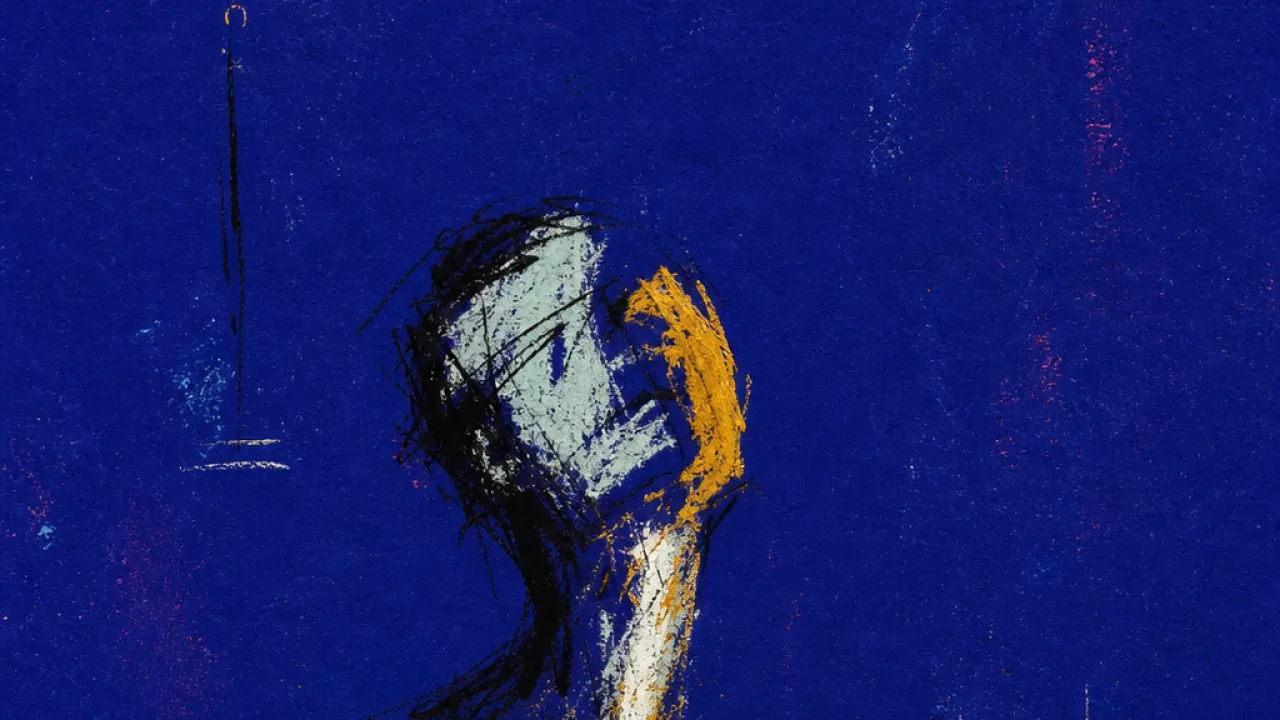
A solitary figure with an exposed chest under sharp pale light, ice white edges pressing into raw amber shadows

What does this feel like?

Sober Exposure Dread — you wake up and the room feels too clear, too bright, like the air has edges and every sound arrives without a cushion. Your chest feels open in a way that is not freeing, more like a door left unlocked, and your skin seems to notice every draft, every glance, every pause in a conversation. You move through the day with a strange alertness, answering messages carefully, choosing your words like they might reveal more than you meant to show, feeling the tight little pull in your throat when someone asks a simple question and you suddenly have no place to hide inside yourself. It is not just fear; it is the dread of being present without blur, without distance, without the soft static that usually keeps the world from coming all the way in. Even ordinary things can feel exposing: the silence after you speak, the mirror before you leave, the moment your phone stops lighting up and you are left with your own thoughts standing very close. Inside, there may be a quiet loop of “Can they tell?” or “Am I too visible right now?” while your body tries to stay still, contained, readable, normal. Sober Exposure Dread makes clarity feel sharp instead of clean, much like The Moon, where a narrow path sits under a pale light and every creature in the scene seems awake, watchful, and unsure what will rise from the dark water next.

Why you're feeling this?

Sober Exposure Dread makes sense when being fully present feels too bright, too sharp, or too unprotected. You are not wrong for feeling unsettled by that kind of clarity. Some part of you is simply registering how vulnerable it can feel to meet the moment without a buffer.

Sober Exposure Dread in Tarot Cards

Sober Exposure Dread has that unbuffered tightness where your chest feels too open and your skin seems to notice everything at once. The dread sits in the body before it becomes a thought, like a cold light landing on places you usually keep softened. This is a universal emotional experience: the shock of being fully present when your inner world has no dimmer switch. The Tarot Cards below mirror the shape of that exposed, watchful feeling.

The Hermit
Reversed
A solitary cloaked figure stands on a bare mountain peak with only a lantern and staff, surrounded by open grey space. The lantern illuminates a limited area, but there is no crowd, room, or distraction to absorb the figure's attention; the self remains the closest available company. Reversed, solitude stops functioning as reflective shelter and begins to feel like internal exposure. You may notice the moment your phone goes quiet or the apartment settles, then feel your own thoughts standing too close under the lantern's narrow beam. The dread is not caused by darkness alone; it comes from having just enough clarity to see what distraction had kept at a distance. The card names the difference between chosen privacy and isolation that leaves no buffer from self-perception.
The Devil
Reversed
Two exposed figures remain linked by loose chains to a dark pedestal while the Devil occupies the space above them, turning dependence, containment, and distorted safety into one closed visual system. The chains restrict movement, but they also define where each figure belongs and how far uncertainty is allowed to reach. Reversed, growth begins where that familiar system loses authority, yet the first emotional result may be exposure rather than confidence. You may recognise an old avoidance pattern clearly and still dread the unfiltered contact that follows when it no longer organises your inner world. The card reveals why cognitive progress and embodied safety can move at different speeds: the pattern can be understood before life without it feels comfortably inhabitable.
The Star
Reversed
A naked figure kneels beneath an open sky, pouring water onto both land and pool while bright stars remain unobstructed above. There is no clothing, roof, or wall in the image; emotional openness, physical exposure, and continuous flow occupy the same clear space. Reversed, that openness no longer feels naturally replenishing. You may understand that a feeling is ready to be acknowledged while experiencing the contact itself as too bright, too direct, and insufficiently protected. The card reveals an internal mismatch between clarity and safety: the capacity to see or feel something is present, but the sense of cover needed to remain receptive has thinned. Sober Exposure Dread appears here as vulnerability without the soft atmosphere that would normally help vulnerability feel freeing.
The Moon
Reversed
The Moon illuminates a narrow road, two watchful animals, twin towers, and a creature rising from water that had concealed it. The light does not erase darkness; it gives every edge enough definition to become psychologically active, turning the entire landscape into a field of alert perception. Reversed, inner fog begins to thin and previously submerged material comes closer to conscious recognition. You may hear your own thoughts without their usual static and feel exposed inside your own mind, as though there is no private room behind awareness where you can retreat. The card reveals why clarity can feel invasive before it feels useful: what was diffuse now has an outline, and what has an outline can no longer be kept at a comfortable emotional distance.
Judgement
Reversed
The trumpet sounds across open water as naked figures rise from their coffins and face the call without clothing, status markers, or closed lids. Awakening is collective yet intensely personal; each figure is visible at the exact moment an old enclosure can no longer hold. Reversed, the wake-up call is heard but not yet comfortably embodied. You may see a limiting self-story with startling clarity and then dread the degree of honesty that further growth appears to require. The card reveals why self-recognition can feel like exposure: the insight removes a former hiding place, while the next identity has not yet become a stable source of cover. The hesitation is part of the visible transition between understanding a pattern and allowing that understanding to reorganise your life.
Seven of Cups
Reversed
A darkened figure faces seven cups suspended in clouds, each holding a different promise, threat, identity, or unknown form. The body has no visible shelter from the display; it stands directly before an entire field of projection, with fascination and unease occupying the same visual space. Reversed, the cloud cover begins to lose its power to keep every possibility equally unreal. You may suddenly see which options are viable, which were fantasy, and what each decision would expose about your actual priorities. That sober narrowing can feel dreadful because choice is no longer softened by endless imagination; your preference becomes visible, and selecting it means allowing the other versions of yourself to recede.
Two of Swords
Reversed
A blindfolded figure sits before a rocky sea with two swords crossed tightly over the chest and a thin crescent moon overhead. The posture turns the body into a sealed gate: sight is reduced, feeling is guarded, and neither option is allowed to move close enough to demand a response. Reversed, that seal is no longer holding. You may feel both choices arriving at once, stripped of the distance that previously allowed you to remain composed and unreadable. The dread is not only about selecting incorrectly; it is also about the choice revealing what you want, what you fear, and what you can no longer pretend not to know. Clarity feels sharp because the decision now reaches the protected centre of the body.
Seven of Swords
Reversed
The sword-carrier moves away while looking back toward the tents, holding five blades awkwardly and leaving two behind. The divided swords make complete concealment impossible: something remains visible in the shared space even as the figure tries to manage what can be carried privately. Reversed, a friendship edit may start to show through. You may rewrite a message repeatedly, minimise a feeling, or offer a carefully neutral answer while fearing that a close friend can already detect the omission. The dread comes from losing control over the line between privacy and secrecy. The card names the strain without insisting that full disclosure is automatically required; it simply reveals how much energy is being spent trying to remain unreadable inside a relationship built on being known.
Eight of Swords
Reversed
A blindfolded, loosely bound figure stands inside an uneven ring of swords, with wet ground beneath her feet and a distant fortress behind her. The image holds three layers of uneasy orientation at once: restricted sight, a body trying not to move, and an open route that is present but difficult to trust. Reversed, the bindings and blindfold no longer feel psychologically stable enough to preserve the old enclosure. You may be recognising that a long-term path is available while dreading the clear sensory and emotional contact that comes with stepping beyond a familiar limitation. The card exposes a crucial tension: becoming less trapped can initially feel like becoming less covered, because the stillness that once reduced uncertainty also reduced visibility and risk.
Nine of Swords
Upright
The seated figure covers their face beneath nine swords fixed across a dark wall, while the bed and quilt remain immediately present but unable to restore unconscious distance. The blades are orderly rather than chaotic, resembling thoughts lined up with sharp, unavoidable clarity. Upright, the card lets the dread be witnessed as an internal event with a body, setting, and repeating structure. You may become caught in the question of whether other people can tell, then treat every remembered pause or expression as evidence to audit. The scene does not verify the feared exposure; it shows how private thought can become its own bright observer when the external world goes quiet. Naming that distinction preserves clarity without letting clarity automatically become a verdict.
Page of Swords
Upright
The young Page holds a sword upright on exposed ground while wind bends the trees, clouds move overhead, and birds cluster in the distance. The figure appears mentally ready but physically unable to ignore the environment; every movement around the Page seems to demand interpretation. Upright, this alertness remains available for learning, yet it carries a high sensory and social cost. You may answer a seminar question, present unfinished work, or reveal a gap in understanding while hearing every pause with painful clarity. The card contains both intellectual engagement and the fear of being read in real time. It shows how study can become exposing when curiosity has no soft buffer between not knowing privately and thinking aloud in front of others.
Six of Wands
Reversed
The central rider carries a laurel-crowned wand while colleagues or followers surround the horse with their own raised staffs. Recognition is public and embodied: the achievement cannot remain private, and the person at the centre must continue performing steadiness while every eye has a reason to look. Reversed, career recognition can feel like a spotlight that exposes rather than confirms. You may notice praise increasing the pressure to be consistently legible, capable, and free of uncertainty, as though one awkward reply could reveal a gap between the recognised image and your internal state. The card names the sober dread hidden inside visibility: success has made you easier to see, and being easier to see can feel like losing a professional buffer.
Nine of Wands
Upright
A bandaged figure grips one wand while eight others form a rough barrier behind him, and his eyes turn sideways toward something outside the frame. The posture is upright and functional, but the body does not interpret the surrounding space as neutral; it remains ready for a boundary to be tested. Upright, the guardedness is still containable and purposeful rather than completely closed. You may stay present with a close friend while carefully measuring each honest answer, noticing every pause as a possible sign that too much has been revealed. The card witnesses a friendship defence that has not disappeared simply because the relationship is trusted. Familiarity may reduce overt danger while increasing the dread that someone close enough can see through the remaining barrier.

Sober Exposure Dread in Tarot Card Reading Insights

Sober Exposure Dread can follow people into readings as the quiet fear of being seen without a filter. When others bring this exposed, unbuffered feeling to the cards, the reading often becomes a place to name what has been sitting in the body. Tarot Reading Insights related to this emotion are gathered below.
Psychological Emtions Related to Sober Exposure Dread