Trapped in Your Own Tile

Explore the pressure of watching yourself on video calls, with related tarot cards and tarot reading insights from sessions.

Zoom Self-view Pressure
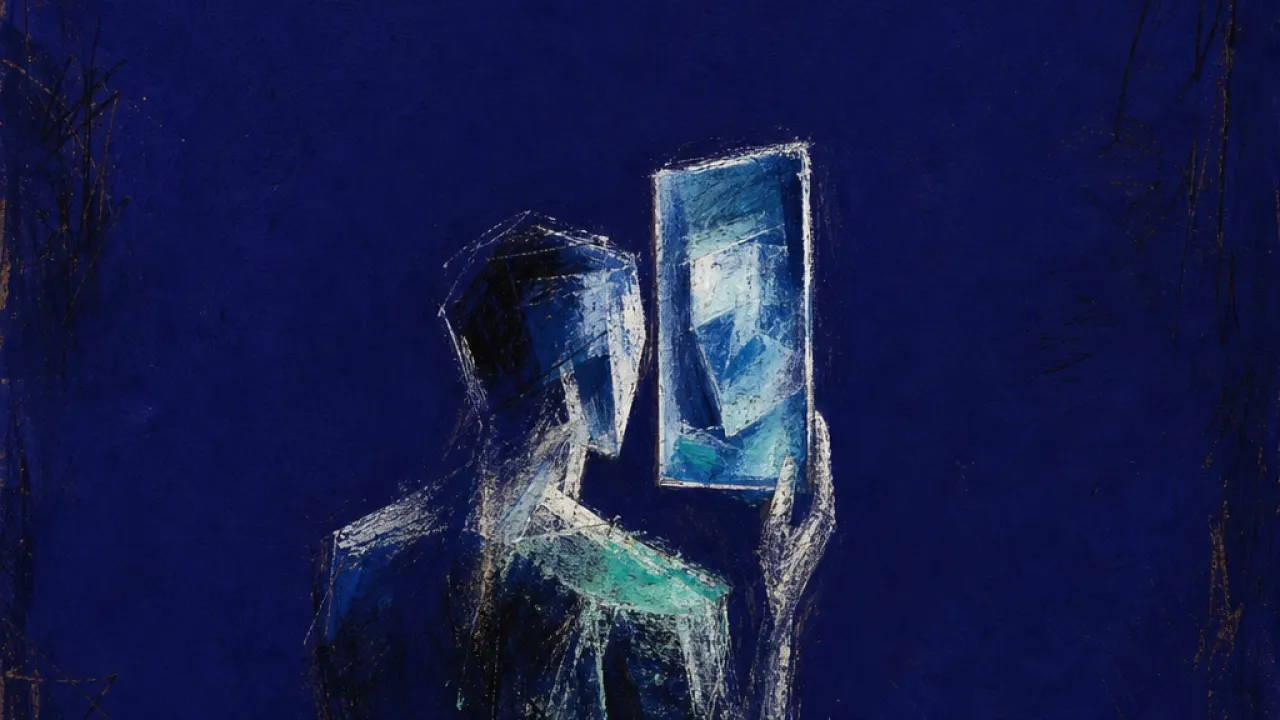
A rigid figure facing a glowing screen tile, shoulders raised as blue light frames and pins their reflected face

What is this situation?

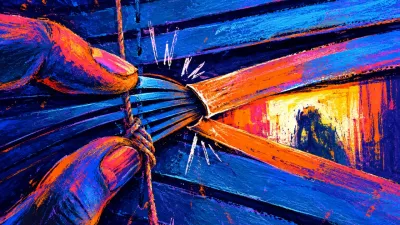
Zoom Self-View Pressure — you join the call, the camera light clicks on, and before anyone has finished saying hi, your own face is already sitting in the corner of the screen like a second audience. You adjust the laptop angle, check the lighting, smooth your hair, move your shoulders back, then try to listen while your eyes keep snapping to the small square that shows you in real time. In a team meeting, class seminar, interview, livestream, or casual group hang, the platform asks you to be present and also watch yourself being present, so every nod, pause, blink, laugh, and moment of looking away becomes something you can monitor. Other people may be talking about deadlines, feedback, plans, or weekend updates, but the self-view tile keeps running beside them, turning your own posture, background, skin, expression, and level of visible engagement into part of the task. The pressure is not just the camera; it is the unspoken expectation that camera-on equals available, attentive, polished, and easy to read, even when the conversation itself already requires focus. By the end, your face may feel stiff, your jaw tight, your shoulders lifted, and your attention split between the meeting and the tiny mirror that refuses to leave the room, much like the bound figure on the Eight of Swords, surrounded by blades and unable to stop seeing the narrow space the scene has trapped them inside.

Why it's not you?

The problem is not that you are vain, distracted, or bad at being on camera. The setup itself turns your own image into a constant workplace, school, or social signal, and that is a heavy demand for any person to carry. A video call that keeps your face visible to you is not neutral; it changes the room you are trying to participate in.

Zoom Self-view Pressure in Tarot Cards

Zoom Self-View Pressure turns a basic video call into an environmental mirror that keeps asking for part of your attention. The tight jaw, lifted shoulders, and constant checking of your own small square are not random habits; they come from a structural dynamic built into camera-on work, school, and social spaces. The screen creates a feedback loop where being present and being watched happen at the same time. These Tarot Cards reflect the outline of that pressure without telling you what to do with it.

The Hierophant
Upright
The central teacher sits between pillars while two students occupy formally assigned positions below, making participation rules and institutional hierarchy explicit. In an online seminar, camera-on expectations can inherit that structure, treating a visible, composed student as the default model of legitimate engagement. The ordered scene also makes the source of the rule traceable. You can separate the educational purpose of participation from the inherited ritual used to display it, revealing why self-view pressure may be strongest where authority has standardised one narrow image of the attentive student.
Justice
Reversed
The balanced scales and raised sword present participation as something that can be observed, measured, and converted into consequence. Reversed in an online class, the image exposes a distorted assessment process when camera-on presence or a consistently attentive expression is rewarded as though it directly measured learning. A student's face cannot reliably display comprehension, effort, access needs, or the complexity of divided attention. You can see how self-view pressure emerges from trying to satisfy a visible metric whose relationship to the actual academic task is incomplete.
The Devil
Upright
The chained figures remain oriented toward the structure above them, illustrating how an external arrangement can become an internal point of fixation. With persistent self-view, the imagined audience no longer needs to issue instructions; you may automatically check your face, posture, or expression because the platform has made that scrutiny continuously available. The visibility of the chains turns the loop into something that can be named rather than a private flaw. You can distinguish what the screen repeatedly invites from what other participants have actually communicated, revealing where the interface has been allowed to speak with the authority of the whole audience.
The Moon
Upright
The moon casts indirect light over a path that continues beyond the visible foreground, while two towers frame the available view. Repeated self-view exposure can build a similarly narrow cognitive frame in which a distorted digital image is treated as social evidence and appearance control is treated as the route to competent participation. The path extends beyond the towers, preserving a reality larger than the image currently illuminated. You can recognise the difference between camera data, imagined audience judgment, and observable interaction, updating the underlying rule that says a polished tile is the same thing as meaningful presence.
Two of Pentacles
Reversed
The two pentacles remain bound to the same looping cord, leaving the juggler unable to complete one movement before the next arrives. Reversed on a friend call, the image captures how listening to someone you care about competes with tracking your own expression and deciding whether you look responsive enough. The resulting missed details can resemble emotional distance even when the friendship itself is not the problem. The card exposes a divided interface around the relationship, helping separate a failure of the video environment from a failure of care or mutual interest.
Three of Pentacles
Reversed
The elevated craftsperson works while two figures examine the plans from below, placing learning, contribution, and observation in one shared space. Reversed in an online group project or seminar, the arrangement becomes misaligned when the self-view tile turns you into an additional observer of your own participation. The educational collaboration then contains two competing review processes: understanding the shared material and judging your visible delivery. You can see why the group setting may feel harder than solitary study without concluding that you lack collaborative ability.
Two of Swords
Upright
The blindfolded figure holds two swords in a controlled but unsustainable cross, with neither option allowed to move forward. Zoom self-view pressure can create the same choice architecture: leaving the tile visible preserves camera compliance but divides attention, while hiding self-view or turning the camera off may raise fears of looking disengaged. The swords remain in the figure's hands, and the calm water separates the decision from immediate chaos. You can examine camera visibility, self-view visibility, actual participation requirements, and anticipated social judgment as different variables, rather than accepting the platform's apparent binary at face value.
Eight of Swords
Upright
The figure's blindfold and surrounding swords show how a restricted frame can begin to define what seems possible or true. Repeated self-view exposure can build a similar rule into your cognitive system: looking polished starts to feel equivalent to participating well, while ordinary blinking, pausing, or looking away begins to resemble social failure. The castle and open ground beyond the blades preserve a wider reference point. You can identify the equation between visible composure and meaningful engagement as a learned platform rule, allowing the digital image to become one limited data source rather than the governing definition of your social competence.
Six of Wands
Reversed
The rider, wreath, raised staff, and surrounding crowd make professional visibility look like a public performance with recognition at stake. Reversed on a work call, the image reflects a fragile approval system in which you monitor whether your face and posture are producing the expected signals of confidence, enthusiasm, and executive presence. The card separates visibility from verified achievement. You can see where the self-view tile encourages you to chase an image of professional success while the meeting's substantive criteria remain elsewhere, reducing the authority of the tiny on-screen audience you have become to yourself.
Ten of Wands
Upright
The ten wands crowd the figure's field of vision while the body carries them toward a destination that remains just ahead. During a full day of online classes, self-view pressure can add facial control, posture, lighting, background management, and visible attentiveness to the existing load of reading, listening, note-taking, and speaking. The destination confirms that academic progress is still present, but access to it is obstructed by how many demands have been bundled together. You can read the strain as a workload-design problem inside remote study rather than as proof that you are not capable of handling the material.

Zoom Self-view Pressure in Tarot Card Reading Insights

Zoom Self-View Pressure is something people bring into readings when the small camera tile starts shaping how every meeting feels. The focus shifts from the cards themselves to what appears when someone sits with that constant on-screen mirror. Tarot Reading Insights from sessions where self-view became part of the question.
Psychological Contexts Related to Zoom Self-view Pressure