When the Calendar Eats the Work

A clear look at calendar pressure, related tarot cards, and reading insights for workdays consumed by constant calls.

Meeting Overload
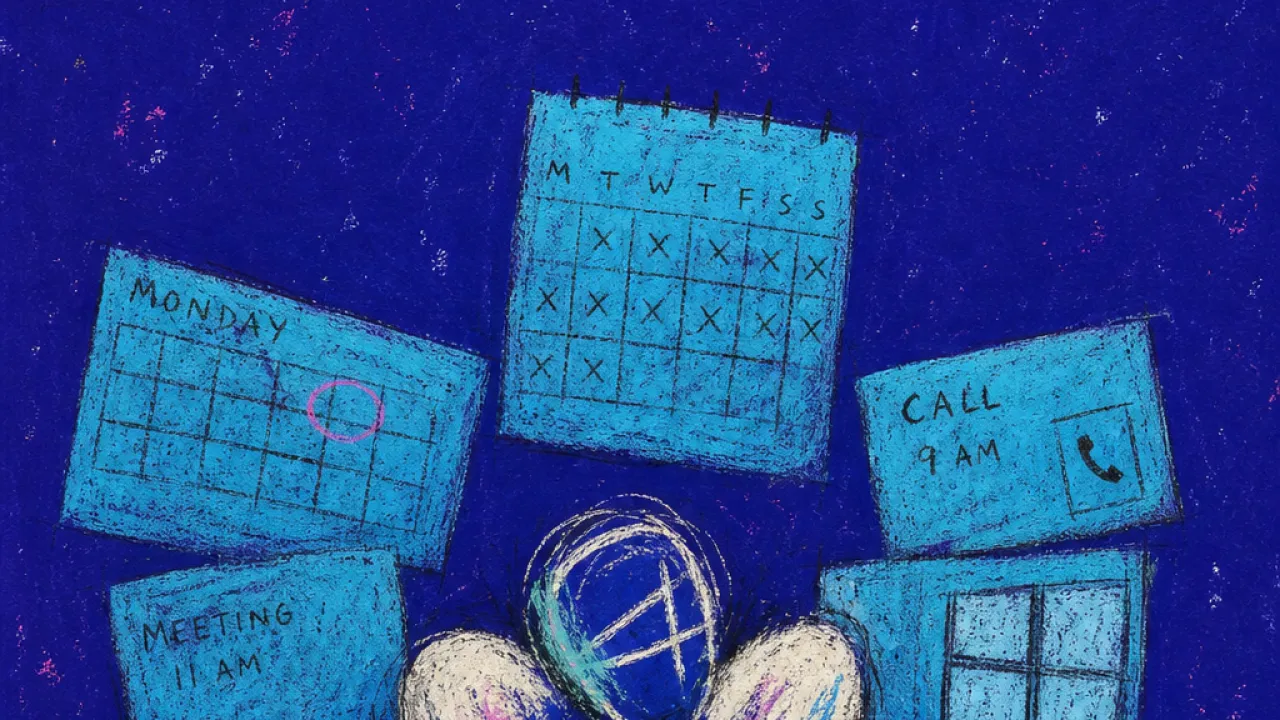
A solitary figure surrounded by overlapping call windows and calendar blocks pressing inward against raised shoulders

What is this situation?

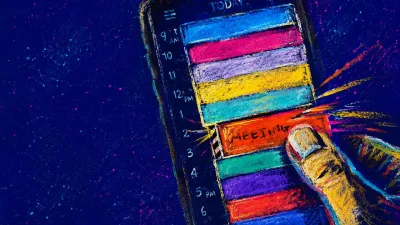
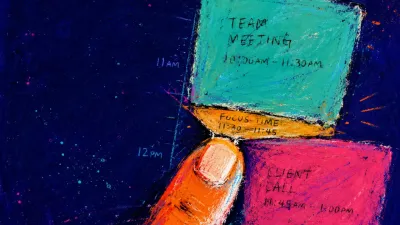
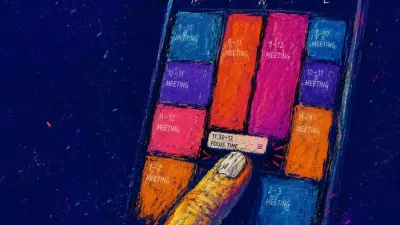
Meeting Overload — you open your laptop in the morning and the day is already gone before it starts. The calendar is stacked in coloured blocks: stand-up at 9, project sync at 9:30, client prep at 10, a “quick check-in” at 10:45, then another invite dropped on top of the one gap you were saving for the work everyone keeps asking about. You move from Zoom to Teams to Slack huddles with your camera on, nodding while tabs pile up behind the call window and messages keep arriving from people who are also in meetings about the same work. The pressure is not only the number of calls; it is the way each one creates another follow-up, another note to clarify, another decision that somehow still has to be made later. If you decline, someone asks whether you are aligned. If you stay quiet, someone asks for your input. If you speak up, the discussion expands and the next meeting starts before the last one has finished in your head. Lunch becomes five minutes between links, deep work gets pushed into the evening, and by the time the calendar finally empties, the tasks are still waiting with a sharper edge because the whole day was spent talking around them. Your shoulders stay lifted, your jaw stays tight, and your eyes feel pinned to the screen, much like the figure on the Eight of Swords, surrounded by upright blades that make every direction look blocked before a single step is taken.

Why it's not you?

The problem is not that you are bad at managing time; the problem is that the workday has been carved into interruptions before you get a chance to use it. Back-to-back calls, unclear ownership, performative alignment, and last-minute invites are features of the setup, not personal flaws. Meeting Overload has a shape, and that shape keeps taking focus away from the work it claims to support.

Meeting Overload in Tarot Cards

Meeting Overload turns the workday into a calendar grid where every open space gets claimed before you can use it. The tight jaw, shallow breathing, and screen-burn behind your eyes are signals from an environmental, structural dynamic that keeps pulling your attention into rooms before anything can land. These Tarot Cards do not decide which meeting matters; they reflect the shape of a day where time, focus, and authority are constantly being redirected.

The Chariot
Reversed
The armoured driver sits in a rigid chariot between black and white sphinxes that face different ways, with no visible reins connecting intention to movement. Reversed, the vehicle becomes a workplace full of tools, people, and declared priorities that still cannot move the project because each force is being coordinated through another call rather than a shared operating direction. The driver remains publicly positioned as responsible for progress even while the mechanism for steering is missing. You may spend the day demonstrating control across status meetings and stakeholder syncs, yet the work remains stationary; the card separates performative momentum from the infrastructure required for actual delivery.
Two of Pentacles
Reversed
The two pentacles are locked inside an infinity loop while ships rise and fall on waves behind the juggler. Reversed, that closed circuit becomes context-switching without recovery: Zoom, Teams, messages, and deliverables keep rotating through the same limited attention while external demands continue moving unpredictably. The problem is not the existence of multiple responsibilities but the loss of enough slack to sequence them. You are being asked to demonstrate adaptability inside a work system that repeatedly interrupts execution, making constant switching look like competence even as deadlines and quality become harder to protect.
Three of Pentacles
Reversed
Three figures gather beneath the cathedral arch while one holds the plan and another stands beside the work already underway. Reversed, their shared location no longer guarantees shared understanding: authority, technical labour, and the documented plan occupy the same meeting without producing clear ownership or a settled decision. The collaboration resource is physically present, but its coordinating function is blocked. You can attend every alignment call and still leave with duplicated effort, another clarification thread, or an action that belongs to no named owner; meeting volume then expands to compensate for the structure that each meeting failed to establish.
Four of Swords
Reversed
The recumbent figure lies beneath three suspended swords while a fourth remains directly below the body. Reversed, the protected resting chamber becomes a pause that cannot perform its function: work demands remain overhead, notifications remain within reach, and the next meeting link keeps the body technically still but operationally on call. The resting place exists in form while access to restoration is blocked in practice. You may have five calendar minutes, a muted camera, or a lunch slot on paper, yet none provides enough separation for attention or posture to reset; the lifestyle cost comes from simulated breaks inside continuous availability.
Eight of Swords
Upright
The blindfolded figure stands bound between eight upright swords, with a distant structure visible but no route that initially feels usable. That arrangement mirrors a workday divided into fixed calls: the deliverable still exists beyond the meeting grid, but every apparent opening is occupied by another obligation, platform, or request for alignment. The swords do not form a sealed wall, which keeps the constraint legible rather than absolute. You are facing a system that narrows perceived autonomy through calendar density and attendance pressure; naming those external blades distinguishes a structural capacity problem from a personal failure to manage time.
Five of Wands
Upright
Five figures raise their wands in different directions, creating visible activity without a shared line of movement. The scene resembles a crowded call where competing updates, interruptions, side issues, and bids for airtime expand the discussion while the work itself remains outside the frame. Everyone is present and the disagreement is observable, so the group still has access to information that isolated workers would lack. You are nevertheless paying the cost of a meeting culture that confuses participation with coordination; each additional voice can create another branch of discussion, another follow-up, and another reason to schedule the next call.
Seven of Wands
Reversed
The elevated figure faces six rising staffs from below while wearing mismatched shoes, as though he had to respond before he was fully ready. Reversed, the high ground becomes an exposed capacity boundary: every protected focus block must be defended against invitations, escalations, and requests framed as urgent alignment. The figure has a wand but no visible support system, so resistance depends on individual stamina rather than shared scheduling rules. You are being positioned as the sole defender of time the organisation also expects you to use for delivery; when that defence weakens, the calendar pile-on becomes a structural outcome rather than a personal lapse.
Eight of Wands
Reversed
Eight staffs travel together across an open sky, all carrying momentum toward the same stretch of ground. Reversed, their shared trajectory becomes an unmanaged arrival stream: recurring calls, pop-up huddles, changed links, and late invitations reach the calendar faster than they can be sequenced into a workable day. The image contains speed but no visible person controlling dispatch or arrival. You are responding to timing pressure produced by the communication system itself, where each invitation may be individually reasonable while the aggregate flow removes preparation time, buffers, and any reliable moment to begin focused work.
Ten of Wands
Upright
The figure bends beneath ten bundled wands, his view obscured even though the town and endpoint remain close. The bundle mirrors the way calls accumulate with their notes, follow-ups, action items, and unresolved decisions until coordination work becomes a second workload carried on top of delivery. The wands are gathered rather than scattered, so the burden is visible and attributable even when it is excessive. You may still know what the job requires, but the organisation has concentrated too many synchronous obligations in the same role; the strain comes from workload design, not an absence of commitment.

Meeting Overload in Tarot Card Reading Insights

Meeting Overload is the kind of work pressure people often bring into readings when their calendar has become louder than the work itself. The shift from cards to readings shows how this situation appears when someone sits down with the spread in front of them. Tarot Reading Insights from sessions around this pressure are collected below.
Psychological Contexts Related to Meeting Overload