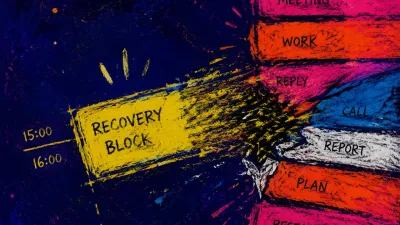
Everything Is Due At Once

Explore the pressure of stacked deadlines, related tarot cards, and reading examples shaped by the same squeeze.

Deadline Pile-up
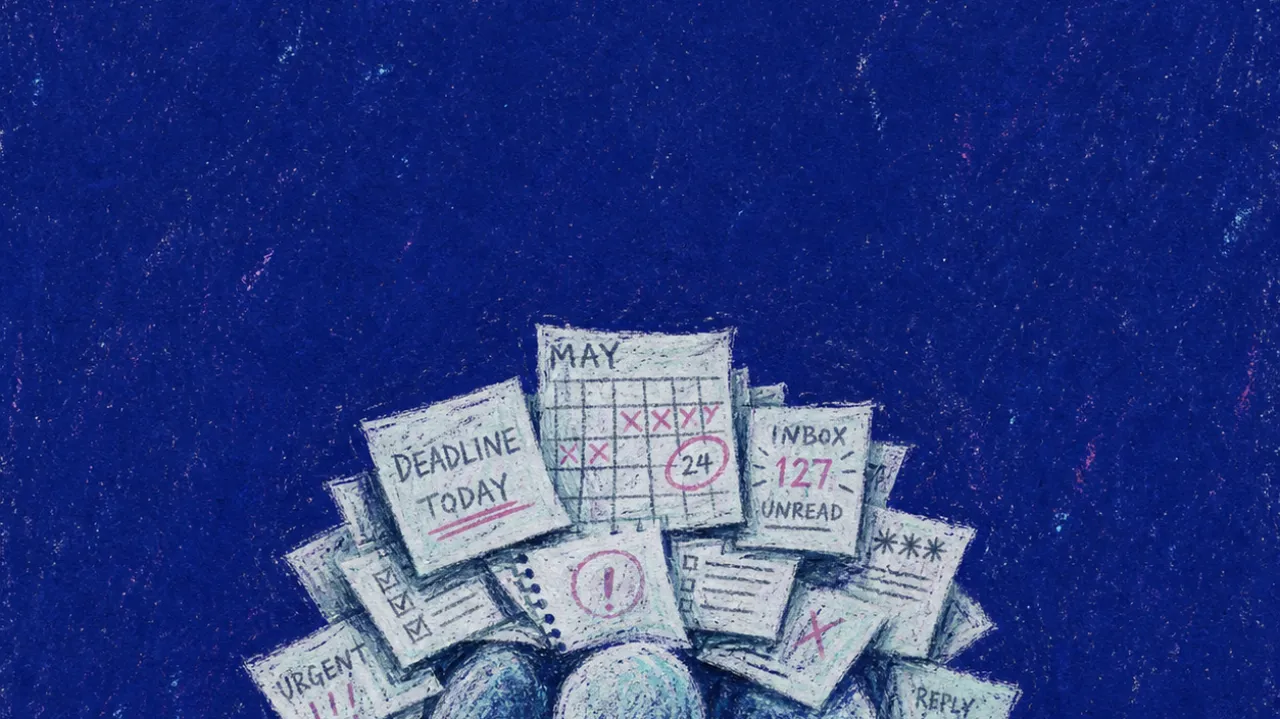
A hunched figure at a desk with calendar pages and inbox alerts pressing into the shoulders in deep indigo space

What is this situation?

Deadline Pile-Up - it starts as one due date you can plan around, then another calendar invite lands on top of it, then someone changes the brief, moves the meeting forward, or drops a quick-turnaround request into your inbox at 5:42 PM. You open your laptop before breakfast and the tabs are already waiting: a shared doc with new comments, a group chat asking for updates, a manager, lecturer, client, or teammate needing something by end of day. Nothing looks dramatic on its own, which is part of the trap; each request sounds small, each deadline sounds reasonable, each follow-up is phrased like it should only take a minute. But the calendar has stopped being a plan and started acting like a conveyor belt. You answer one message and three more appear. You finish a task and the next one has moved closer while you were busy. The power sits with people who can shift dates, add requirements, or ask for progress without absorbing the impact of the compression they create. By afternoon, your shoulders have locked, your jaw is tight, and your day is no longer measured by what matters most but by what can be dropped with the least fallout. By night, the work is still there, stacked in different windows and reminders, much like the figure on the Ten of Wands, bent forward beneath a bundle so large it blocks the road ahead.

Why it's not you?

This is not a personal failure of discipline; it is a schedule being overloaded from the outside. When due dates shift, requests arrive late, and every task is treated as urgent, the pressure comes from the setup itself, not from you being unable to keep up.

Deadline Pile-up in Tarot Cards

Deadline Pile-Up is the calendar version of pressure arriving from every side, until your shoulders lock before the day has properly started. The tight jaw and stacked browser tabs are signals of an environmental burden, not a private lack of focus. It works as a structural dynamic: people with the power to move dates, add tasks, or demand updates keep compressing the same limited hours. The Tarot Cards below reflect the shape of that squeeze.

Wheel of Fortune
Reversed
The large wheel turns while figures are carried along its rising and falling edges, leaving only the figure at the top temporarily stable. Reversed, the rotating structure captures a calendar whose reference points will not hold: a meeting advances, a due date contracts, and a changed brief sends completed work back into motion. The instability belongs to the scheduling environment rather than to your ability to read a clock. You are trying to sequence effort inside a cycle controlled by several people, so every external timing change can reorder the entire queue and convert planned work into urgent recovery work.
Temperance
Reversed
The angel transfers water between two cups while balancing one foot on land and one in water, with a narrow path continuing toward the horizon. Reversed, the measured transfer no longer resolves into a stable flow; each new request draws from the same limited reserve before the previous demand has settled. That disrupted circulation mirrors a schedule without slack. You are not merely arranging tasks badly; you are being asked to balance focus, communication, delivery, and recovery while outside stakeholders keep changing the volume and timing of what must pass through the system.
Two of Pentacles
Reversed
The two pentacles circle inside an infinity-shaped ribbon while two ships rise and dip on separate waves behind the figure. Reversed, that continuous juggling pattern becomes an overloaded operating loop: emails, meetings, minor deliverables, and domestic necessities keep changing position, but the flow never reaches a stable baseline. Because the figure still has both pentacles in hand, the pressure does not indicate missing effort or discipline. You are maintaining a daily system with more incoming movement than it has buffers, so meals, breaks, focused work, and shutdown time become the adjustable pieces sacrificed to preserve deadlines controlled by other people.
Three of Pentacles
Reversed
The craftsperson works from a raised bench while two other figures hold the plans and evaluate the developing structure. Reversed, that coordination scene becomes a revision bottleneck: the people defining or reviewing the work are not aligned, so comments, changed requirements, and approvals return after production is already underway. The resulting deadline pressure is generated upstream but absorbed at the point of execution. You are expected to preserve the original delivery date while incorporating decisions that arrived late, turning collaboration into rework and making your capacity appear to be the problem when the actual failure sits in stakeholder coordination.
Four of Swords
Reversed
The resting figure lies beneath three suspended swords while a fourth remains close at hand, turning the quiet chamber into a space where pressure is contained but never fully removed. Reversed, that protected pause becomes inaccessible: the body may stop moving, yet pending tasks, update requests, and morning deadlines remain positioned overhead. The image separates rest from simple inactivity. You can close the laptop and still have no usable recovery period when notifications, unfinished deliverables, and anticipated follow-ups keep the workday psychologically open, leaving the next morning to begin on depleted capacity rather than restored attention.
Nine of Swords
Upright
The figure sits upright in bed with hands covering the face while nine swords remain arranged across the dark wall. The tasks themselves are not physically in the room, yet their ordered repetition mirrors an external deadline queue that continues running as mental tabs after the workday has formally ended. This nighttime carryover does not prove that you are inherently unable to switch off. It shows what happens when unfinished work has high consequences, priorities remain unstable, and tomorrow's requests may arrive before today's queue is resolved: the mind keeps rehearsing the schedule because the external system has not produced a credible stopping point.
Seven of Wands
Upright
The figure on higher ground holds one staff against six rising from below, with each incoming line demanding attention from a different angle. The scene mirrors a workplace where multiple stakeholders can request updates, add tasks, or challenge priorities while one worker remains responsible for defending the same limited block of capacity. The elevated position provides visibility but not relief; being the accountable person can make you the default target for every follow-up. You may have enough leverage to name the collision, yet the workload structure still requires repeated defence because no single requester can see or absorb the combined pressure created by the others.
Eight of Wands
Upright
Eight staffs cross the sky in parallel, creating the visual equivalent of messages, comments, and quick-turnaround asks entering the work queue with uninterrupted speed. Nothing blocks their arrival, which reflects a digital workplace where sending new work is nearly frictionless even though completing it still requires sustained labour. That asymmetry creates the pile-up. You can receive a brief change, a progress check, and an end-of-day request within minutes, while each sender experiences only their own message; the total compression becomes visible only in your calendar, tabs, and unfinished production time.
Nine of Wands
Upright
The bandaged figure braces against one staff while eight more stand behind like a record of demands already handled. The scene captures cumulative timing pressure: previous pushes have consumed energy, but the posture remains organised around the expectation that another demand is about to arrive. This is the deadline cycle after repeated short sprints have removed the recovery interval between them. You are not entering each due date with fresh capacity; you are carrying the residue of the last revision, late night, or emergency turnaround into the next supposedly reasonable request.
Ten of Wands
Upright
The ten staffs form a dense bundle in front of the student-like traveller, blocking the view while the destination remains close enough to demand continued movement. In an academic setting, those staffs resemble assignments, readings, group contributions, exam preparation, and administrative dates accumulated across courses that do not coordinate their calendars. Each lecturer may have set a reasonable task in isolation, yet you experience the combined timetable. The resulting study pressure is not adequately explained by motivation or discipline; it comes from simultaneous assessment cycles that force learning, production, and recovery to compete inside the same limited week.

Deadline Pile-up in Tarot Card Reading Insights

Deadline Pile-Up often enters readings when overlapping due dates, late requests, and shifting expectations all land in the same week. After the card list, the focus turns to how this compressed schedule can appear when someone brings it into a spread. Tarot Reading Insights from related readings.

Psychological Contexts Related to Deadline Pile-up