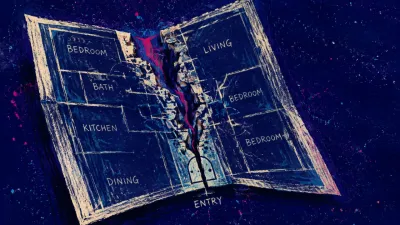
Is staying really clarity?
A clear breakdown of Status Quo Bias, the tarot cards that mirror it, and reading insights around familiar friction.

Status Quo Bias
What is this really?
You keep the current setup in place because it feels like the responsible baseline: the same job process, the same relationship rhythm, the same subscription, the same apartment layout, the same “we’ve always done it this way” option that somehow gets extra credibility just for already existing. Underneath that, you are often trying to protect yourself from the cognitive load of change, the risk of regret, and the sharp discomfort of choosing an option whose costs are not yet mapped. Yet the structure that once made life feel manageable can become a quiet enclosure, where staying feels objective and changing feels excessive, until you realize you have been calling inertia clarity—much like the Ten of Pentacles, where the stone arch, enclosed estate, and city wall make the existing order look protected while no one moves through the gate.
Why did it happen?
At some point, keeping things as they were may have helped you get through days when too many moving parts felt impossible to track. Over time, your body learned to treat familiar friction as easier to carry than unfamiliar possibility, so the inner pattern now pulls you back toward what is already built. That can leave you psychologically tired from maintaining a setup you no longer fully choose, while the alternative still feels louder than the discomfort you already know.
How does it feel?
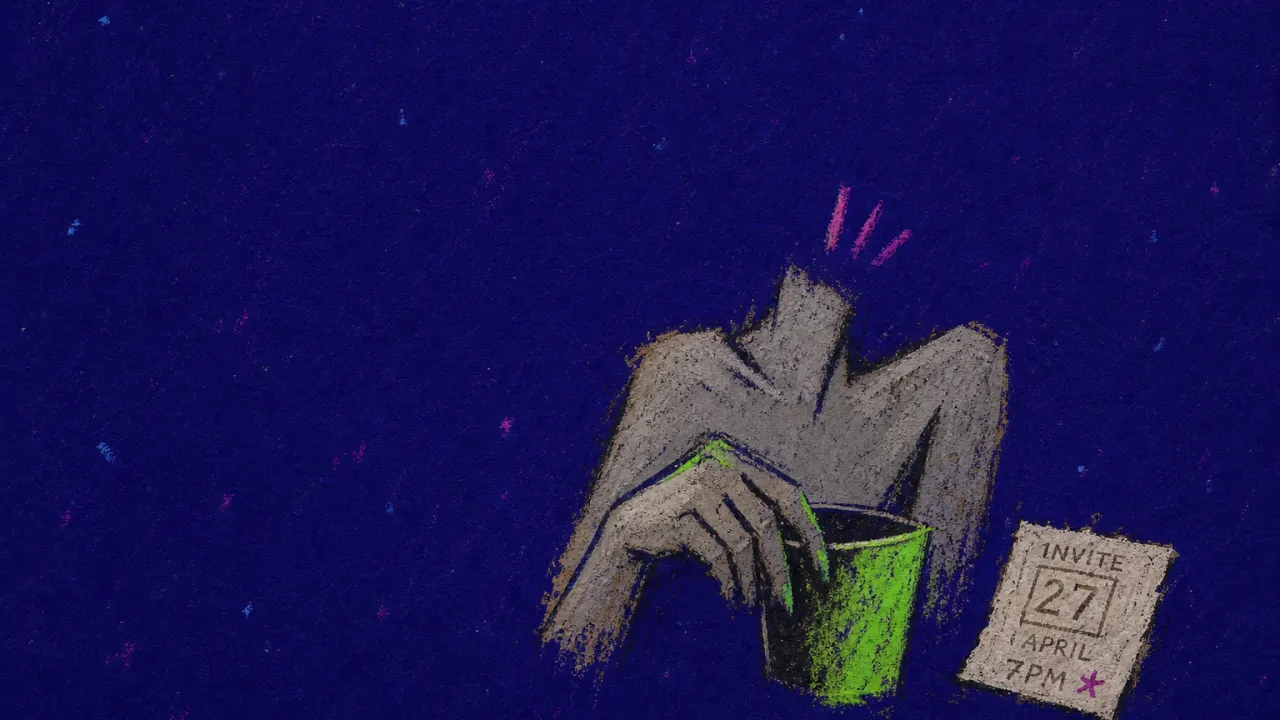
- A calendar invite pops up for the same meeting that has been draining your week for months, and your cursor hovers over the decline button before sliding back to “accept” without much ceremony. In that tiny pause, your shoulders may rise slightly and your breathing can get shallow, as if your body is bracing for the disruption that even a small edit would create. It is okay to notice the pause before making it mean anything.
- You stand in your kitchen staring at the same cluttered counter, moving one mug to the left and one receipt into a drawer, then leaving the setup almost exactly as it was. Afterward, there may be a dull heaviness behind your eyes, not dramatic, just the flat fatigue of managing friction you have learned to work around. Letting that tiredness register is enough for now.
- A subscription renewal email lands in your inbox, and you open it, squint at the price, then archive it with a quick flick of your thumb because cancelling would mean logging in, comparing options, and making a clean decision. A small tightness may show up in your jaw right after, like your face is holding the cost of “later.” You can allow the tightness to be there without forcing an instant fix.
- During a conversation about changing plans, you nod slowly and say, “Maybe we should just keep it simple,” while your fingers press into the edge of your cup. In that moment, your stomach might pull inward, not because you know the current plan is right, but because the unknown version feels harder to picture. Not being ready to picture it clearly is still a valid place to start.
- At night, you scroll through apartment listings, job boards, course pages, or new routines, then close the tab and set your phone face down beside you, returning to the room exactly as it is. Your chest may feel compressed for a second, followed by a strange calm that comes from putting the question away. That calm can be observed without treating it as final evidence.
Status Quo Bias in Tarot Cards
That cursor hovering over “decline” before sliding back to “accept” is where Status Quo Bias often becomes visible: the familiar option starts to feel like the responsible baseline. Your shoulders rise, your breathing gets shallow, and the body quietly votes for the structure it already knows. From a Jungian archetypal theory lens, this pattern can be understood as the old inner estate protecting its walls before the next form of movement is allowed. The Tarot Cards below mirror those unconscious dynamics around stability, inertia, and the cost of staying inside what is already built.
Status Quo Bias in Tarot Card Reading Insights
For anyone who keeps the current setup because changing it would disturb the known order, others have brought the same tension into readings. Here is how those cards appeared when the familiar path felt safer than a fresh evaluation. Tarot Reading Insights that speak to this pattern are listed below.
Before Couples Therapy: Six Tabs, One Unsent Message, One Step
Topic:Direction Tarot Reading
Struggle:Binary Choice Lock
Context:Relationship Stagnation
An Unfinished Job Application Led to a Present-Evidence Check
Topic:Timing Tarot Reading
Struggle:Sunk Cost Paralysis
Context:Sunk Cost Exit Dilemma

Golden-Handcuff Career Drift: Trade the Verdict for One Small Test
Topic:Choice Tarot Reading
Struggle:Golden Handcuff Bind
Context:Golden Handcuffs

Sunday's Salary Spreadsheet Gives Way to One Saturday Workshop
Topic:Choice Tarot Reading
Struggle:Golden Handcuff Bind
Context:Skill Underutilization Trap
Permission-Seeking Choice Paralysis: Preference Before Polling
Topic:Personal Growth Tarot Reading
Struggle:Permission Paralysis
Context:Decision Cliff Edge

Golden-Cage Inertia: Turning Risk Research Into One Small Test
Topic:Choice Tarot Reading
Struggle:Golden Handcuff Bind
Context:Values Alignment Crossroads

A Warm Phone, a Deleted Sentence, Then One 30-Minute Sample Campaign
Topic:Choice Tarot Reading
Struggle:Belonging-Authenticity Split
Context:Quarter-Life Crisis
Past Survival Became a Forecast: Reading Today's Reorg Evidence
Topic:Career Tarot Reading
Struggle:Agency-Variance Split
Context:Reorg Roulette
Four Job Tabs Closed Because Nothing Was Wrong, Then One Stayed Open
Topic:Career Tarot Reading
Struggle:Permission Paralysis
Context:Skill Underutilization Trap
A Risk Spreadsheet Gives Way to One Forty-Five-Minute Career Test
Topic:Choice Tarot Reading
Struggle:Analysis Paralysis
Context:Career Changer Reskilling