Who Meets Your Mind?

Explore the felt texture of Intellectual Loneliness through related tarot cards and tarot reading insights from reflective sessions.

Intellectual Loneliness
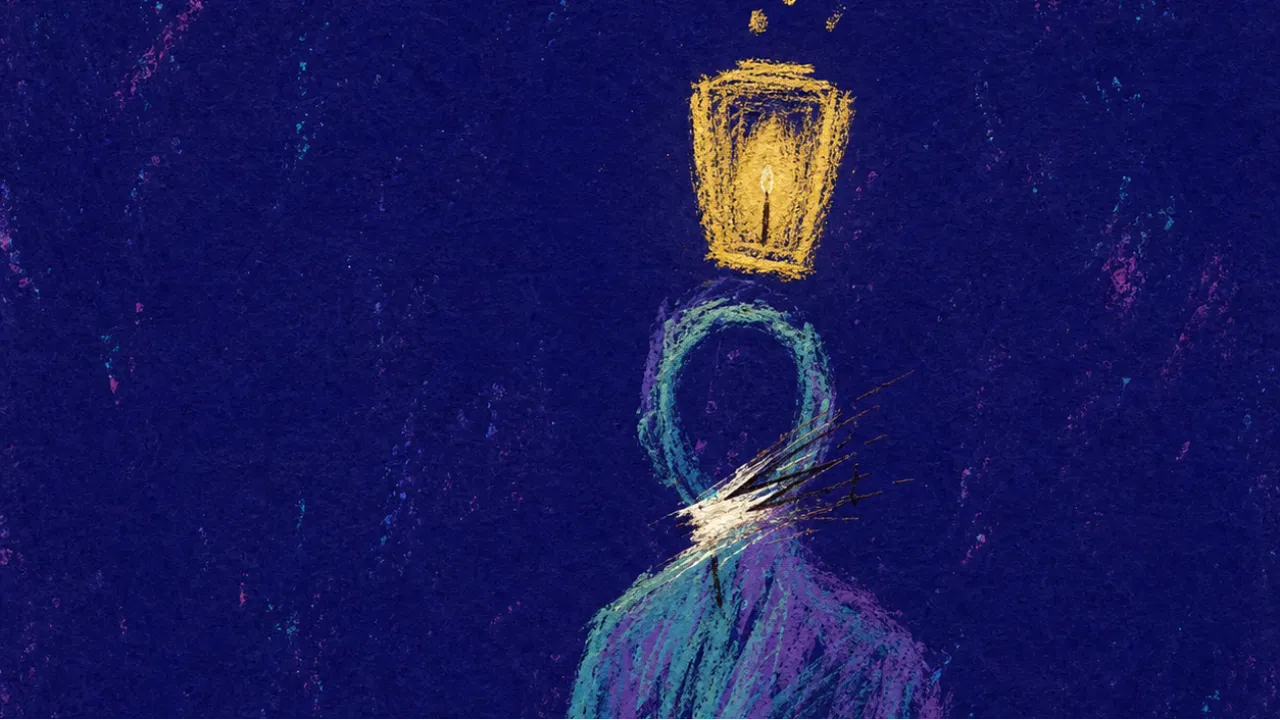
What does this feel like?

Intellectual Loneliness — you can be in a room full of people, messages, books, meetings, classes, or noise, and still feel like your mind is standing on a cold ridge by itself, holding a question no one else seems close enough to touch. It is not the simple quiet of being alone; it is the sharper ache of having thoughts with weight, texture, and urgency, then watching them flatten the second you try to say them out loud. Your body may stay still, but inside there is a small pressure behind the eyes, a tightness in the throat before you speak, a hollow dip in the chest when the conversation slides past the one point that mattered. You learn to edit yourself mid-sentence, to soften the exact thing you meant, to nod when the answer is technically fine but misses the inner weather completely. Sometimes you feel almost embarrassed by how much you care about a question, a pattern, an idea, or a hidden layer of meaning; sometimes you wonder if you are being difficult, when really you are just tired of translating a whole mental world into language that only reaches the surface. The loneliness is not that no one is around you; it is that the light inside your thinking feels too small to warm the enormous dark around it, much like The Hermit holding his lantern on an open mountain ridge, seeing clearly while no other figure stands inside the circle of light.

Why you're feeling this?

Intellectual Loneliness is not a flaw in how you think or a sign that you should care less. It makes sense to feel this way when a part of you is asking to be met with depth, precision, and shared language. You are not wrong for wanting contact that reaches the level where your mind actually lives.

Intellectual Loneliness in Tarot Cards

That cold, raised-up feeling of holding a full mental world with no shared language is the shape of Intellectual Loneliness. The quiet pressure behind your eyes and the small warmth of one thought in a large dark room give it a body. It belongs to a universal emotional experience: the mind reaching for contact while the space around it stays thin. These Tarot Cards mirror the outline of Intellectual Loneliness without explaining it away.

The Hermit Upright
The Hermit is not merely alone; he is visually separated by height, snow, darkness, and a single lamp that no one else appears close enough to share. The summit gives perspective, but it also thins the social field. Around the figure, the landscape has very little warmth, motion, or ordinary human texture. Intellectual Loneliness forms in that gap between insight and companionship. The lantern can clarify, but it cannot automatically create a shared language. In personal growth, this emotion often appears when your awareness has moved faster than your relationships, your environment, or your old identity can metabolize. The card gives this loneliness dignity without romanticizing it. It shows how seeing more can also mean carrying more silence, especially when the self you are becoming does not yet have a community, a vocabulary, or a witness that can meet it at the same altitude.
The Hanged Man Reversed
The Hanged Man hangs alone in a white, nearly emptied field. The tree and rope frame his experience tightly, and no other figure enters the scene to witness or share the inverted view. In academic work, that isolation can mirror the feeling of being alone with a difficult idea, niche topic, or stalled research problem. The loneliness is intellectual because the mind is active, but the surrounding world does not seem to meet it at the same angle. Intellectual Loneliness names the ache of thinking in a position that feels hard to translate. The card makes that ache visible through a solitary body suspended inside a private frame of perception.
The Star Reversed
A single figure works at the edge of water under a sky full of bright points. The scene is clear, but no other human body shares the task, the silence, or the scale of the questions implied by the night. Intellectual Loneliness appears when academic life gives you access to books, data, supervisors, and frameworks, yet the actual felt experience of thinking remains unshared. The Star's solitude names the ache of needing someone to meet you inside the question, not just evaluate the output.
Two of Cups Reversed
The distant town sits behind the pair, but the foreground is dominated by one narrow exchange. When the cups do not visibly pour and the central emblem occupies the space between them, connection can feel formal without becoming nourishing. In study, Intellectual Loneliness is the ache of being surrounded by people, papers, and feedback channels while still feeling unmet at the level of thought. The card's structure makes that emptiness visible: proximity is present, but the mind is still waiting for a conversation that actually reaches it.
Queen of Cups Upright
The throne sits on a narrow island, separated by water and backed by a wall that interrupts the distant view. The Queen's attention does not travel outward; it circles back into the cup held close to her body. In academic spaces, that visual isolation becomes the ache of having a dense inner world with too little live reflection around it. You can be surrounded by texts, classmates, and systems of knowledge while still feeling that the most important part of your thinking has no witness.
Four of Pentacles Upright
The town sits behind the figure, visible but separate, while the seated body forms a private island of coins, cloak, and stone. That distance gives the academic image its lonely edge: knowledge is being held, protected, and accumulated, but the field of other minds remains behind a hard boundary. Intellectual Loneliness is the feeling of being surrounded by institutions, peers, texts, and potential mentors while still studying as if you have to survive inside your own sealed system. The card reveals how academic self-protection can quietly block the very exchange that would make learning feel alive.
Five of Pentacles Upright
The bright church window holds an ordered pattern above the path, but the two walkers do not enter the space where that order lives. Their bodies share the road, yet the lit interior remains a separate intellectual climate. You can be surrounded by classmates, readings, and institutional language while still feeling mentally outside. Intellectual Loneliness is the cold of watching knowledge circulate behind glass and wondering why you cannot feel included in its warmth.
Nine of Pentacles Reversed
One human figure stands among vines, coins, an estate, and a hooded bird, with no peer in sight. The garden is alive and rich, but the relational field is strangely thin; there is plenty to manage and little that meets her gaze. In academic life, this becomes the loneliness of being surrounded by work, achievement, reading lists, research questions, and institutional markers without feeling mentally accompanied. You may look independent and capable while privately missing the experience of being understood by another mind. The hooded falcon sharpens the feeling because it is near the woman but cannot see with her. The card turns intellectual isolation into a visible arrangement: proximity without shared perception.
Ace of Swords Upright
The sword stands alone in an enormous pale sky, held by a hand with no visible body, above cold blue-purple hills that contain almost no warmth or human presence. The image is precise, elevated, and strangely unshared. In personal growth, that solitude becomes the feeling of seeing a pattern before it has a social container around it. You may understand your limiting belief with almost painful accuracy and still feel isolated by the altitude of that understanding, as if clarity has moved faster than belonging.
Reversed
A single sword rises in a large, empty sky, brilliant but isolated. There is no face, no answering body, and no shared gaze in the scene, only a sharp idea held up where everyone could see it if they were willing to look. In friendship, Intellectual Loneliness appears when you can read the group dynamic with painful precision while others keep the conversation on the surface. You may feel stranded with the truth because naming it would disturb the social comfort everyone else is protecting. The reversed Ace of Swords gives this loneliness a specific texture: mental clarity without relational companionship. It is not just being alone; it is being alone with the analysis that could change the friendship if it had somewhere mutual to land.
Three of Swords Reversed
The heart floats alone in the Three of Swords, with no body attached to it and no other figure in the scene. The surrounding grey weather creates a field of exposure rather than a room, so the wound has no human witness inside the image. Intellectual Loneliness in study feels like being left alone with material that is difficult, feedback that is opaque, or a research question that no one seems to emotionally inhabit with you. People may be present around the institution, but the actual inner experience of trying to understand remains solitary. The card makes that solitude visible by stripping away every support structure except the exposed center. It shows how academic pain can sharpen when the mind is working hard and the heart cannot find a companionable presence inside the work.
Five of Swords Upright
The three figures facing away from one another make the shoreline look less like a shared field and more like three separate islands. Swords divide the ground, and the distant bank offers space without contact. For study and research, this image captures the loneliness of being mentally sharp but relationally unheld. You may have the argument, the evidence, or the insight, while still feeling that no one is actually meeting you inside the work.
Page of Swords Upright
The Page stands alone on a high ridge, separated from the distant mountains and the birds moving far above him. The height gives him perspective, but it also places his thinking body at a visible distance from everything around it. Academic effort can create this exact texture when understanding arrives before companionship does. You may see the shape of a research question, argument, or problem, yet still feel mentally apart from classmates, supervisors, or the people who do not live inside that same question. Intellectual Loneliness is not simple isolation. In this card, the solitude is sharpened by thought itself: the higher the vantage point becomes, the more exposed the mind can feel while it tries to hold its own line of sight.
Reversed
Alone on the ridge, the Page has height, air, and a weapon of thought, but no visible companion. The scene offers perspective without warmth, and the wind touches the uncovered head as if the mind is exposed before the rest of the world can meet it. Intellectual Loneliness is the ache of being able to explain your inner patterns while still feeling unaccompanied inside them. In introspection, you may have language for your defenses, your projections, and your old wounds, yet the language does not automatically create emotional contact. The birds overhead widen the mental field, but they also emphasize distance. This card links the feeling to a specific inner split: the mind has climbed high enough to see, while the heart still waits for an experience of being met.
Queen of Swords Upright
The Queen looks away from the viewer while a solitary bird crosses the distant sky. Around her, stone, metal, white cloth, and cool blue fabric create a refined environment that feels ordered but difficult to enter. The card turns intelligence into altitude. From that height, you can see patterns clearly, but the very distance that gives you accuracy can also leave you without a body beside you in the room. Intellectual Loneliness names the ache of being mentally lucid and emotionally unaccompanied. In introspection, it appears when you can explain your inner world with precision but still feel alone inside the explanation.
Reversed
The cloud-wrapped height of the throne, the distant bird, and the Queen's sideways gaze make thought look spacious but socially thin. The sword gives the mind a clean edge, yet the body remains elevated away from ordinary ground and ordinary contact. In personal growth, this becomes the loneliness of understanding yourself in language that does not automatically make you feel met. You may be able to name the pattern, explain the block, and see the next layer, while still sensing that your clarity has built a glass wall between your inner process and the people around you.
King of Swords Upright
The throne rises from a bare mound while the trees, birds, and clouds remain distant and small. The King has altitude, perspective, and a clean view, but the seat is cold stone and the space around him is sparse. Intellectual Loneliness comes from that elevated separateness. You can understand your inner world with precision, explain the pattern, and still feel the absence of warmth beside you; the card names the strange solitude of being mentally clear but emotionally unwitnessed.
Reversed
The King is elevated above a sparse landscape, with the trees and living world reduced to small distant marks. His throne is solid and high, but it also separates him from everything soft, ordinary, and close. Intellectual Loneliness takes shape when personal growth becomes a place you can explain better than you can feel. You may have the frameworks, the vocabulary, and the clean analysis, yet the very height of that understanding leaves you emotionally unaccompanied. The card holds the ache of being precise but unmet. It reflects the moment when insight gives you altitude, but not necessarily intimacy with yourself or anyone who can sit beside you inside the process.
Three of Wands Reversed
The figure stands alone on the high ground, back turned, surrounded by the open sea and the upright wands that mark out his private position. The view is expansive, but no other body shares the vantage point. Intellectual Loneliness appears when insight creates distance without creating connection. In personal growth, it is the strange isolation of being able to name your patterns, describe your goals, and understand your inner architecture while still feeling alone inside the process. The Three of Wands gives that loneliness a quiet geography. You can see far, think clearly, and stand above old ground, yet the height itself can make the work feel private, exposed, and difficult to translate to anyone not standing there with you.

Intellectual Loneliness in Tarot Card Reading Insights

Intellectual Loneliness often follows people into readings as that private ache of seeing clearly while still feeling unmet. After the cards name the visual shape of it, the next layer is how others have sat with that same mental distance in readings. Tarot Reading Insights for Intellectual Loneliness are gathered below.
Psychological emtions related to Intellectual Loneliness