When Concerns Disappear Before Review

Explore suppressed risk reports, browse matching tarot cards, and read tarot card reading insights from related readings.

Risk Reporting Suppression
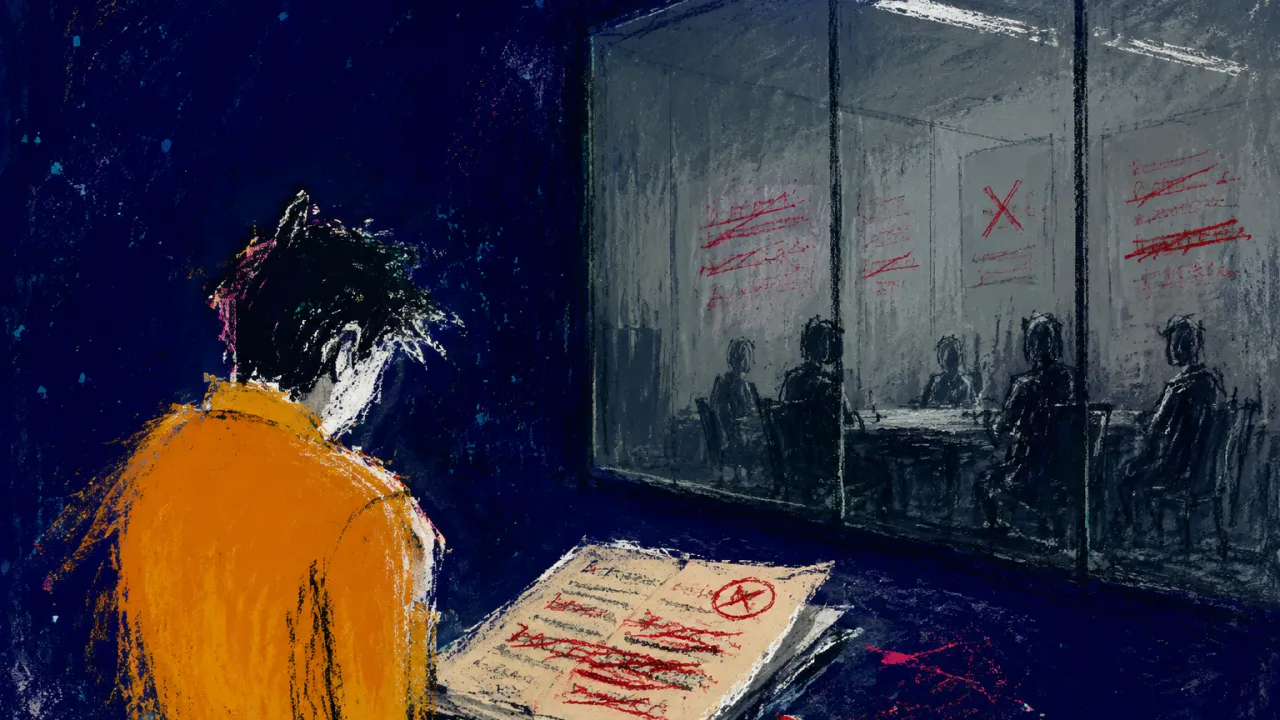
A solitary figure angles their shoulders inward as red edits cover an open report beside a closed glass wall.

What is this situation?

Risk Reporting Suppression — you first notice it when you send a report about a recurring safety, compliance, or operational problem and the reply comes back asking you to make the wording less alarming. It happens in a workplace, lab, agency, or project team where the people closest to the risk document what they see, while managers control which version reaches the board, regulator, client, or wider team. In meetings, the concern is renamed a minor issue, moved to a private follow-up, or held until the deadline passes; action items are softened, dates slide, and the person who raises the point is asked to keep it constructive. Colleagues may agree in private, then go quiet when a senior lead enters the room, leaving you to watch the record change after you submit it. Your inbox fills with requests for revisions, your calendar holds conversations that produce no owner or decision, and you keep checking whether the original wording is still attached. By Friday, the work is not only spotting what could go wrong but proving that you said it, when you said it, and who chose not to act. The cost arrives in the tight shoulders, the late-night screen glow, and the careful pause before you raise the next concern, much like the figure on the Seven of Swords, carrying five swords away while looking back at the two left behind.

Why it's not you?

The problem is not that you raised the concern in the wrong tone; the reporting structure is filtering inconvenient information before it reaches the people who can respond. Delayed reviews, softened language, missing follow-ups, and pressure to keep the record tidy belong to the environment itself, not to a failure on your part.

Risk Reporting Suppression in Tarot Cards

Risk Reporting Suppression is visible in the tightness across your shoulders, the late-night screen glow, and the pause before you raise the next concern. It is an environmental, structural dynamic shaped by who can edit, delay, or withhold information before it reaches a decision-maker. The Tarot Cards below mirror that arrangement through visible figures, barriers, distance, and withheld movement. Here are the Tarot Cards that reflect the outline of this environment.

The High Priestess
Reversed
The High Priestess sits between black and white pillars with a veil behind her and a scroll partly concealed beneath her robe. Reversed, the scene makes hidden knowledge and controlled access more prominent: the information exists, but a gatekeeper decides which parts cross the threshold into public or executive view. You can watch a concern become smaller as it moves through private conversations, selective attachments, and requests to wait for the right audience. The career structure makes silence look like discretion, leaving the reporting system with the power to restrict visibility while the originating worker continues carrying the consequences of what was not shared.
The Emperor
Reversed
The armored ruler sits on a rigid stone throne marked by ram heads, holding the scene through posture, symbols of command, and physical permanence. Reversed, that same architecture describes authority that protects its territory by controlling who may speak, which evidence counts, and how far a concern is allowed to travel. You can be closest to the operational problem while lacking the authority to preserve its original wording. The career structure places escalation power above observation, so the person who controls the channel can make a recurring risk look like a manageable communications issue without changing the underlying conditions.
The Hierophant
Reversed
The Hierophant sits between pillars with a raised hand, a triple cross, and two acolytes kneeling before him. Reversed, the institutional scene shows group rules being used to police conformity: the people closest to the concern can recognize it together, but the ritual of hierarchy determines what may be said in public. You can experience the room changing when a senior lead arrives, with colleagues withdrawing statements they made moments earlier. The social structure protects belonging by making silence look respectful, leaving the person who keeps the warning visible to absorb the relational cost of disrupting the group's preferred version.
Justice
Reversed
Justice sits between two pillars, holding a sword in one hand and scales in the other. In the reversed orientation, those instruments still look official, but their alignment reads as a review process that weighs institutional comfort more heavily than the evidence attached to the warning. You can submit dates, examples, and controls that failed, yet the process may return only a safer-sounding summary. The structure exposes why repeated requests for softer language are not neutral editing: they change what the organization is formally willing to recognize and therefore who can be held accountable for the response.
The Hanged Man
Reversed
The figure hangs by one foot from a living tree, with the body suspended and a halo marking a perspective that has not yet become movement. Reversed, that suspension reads as a delay without productive reorientation: the report remains in place while the organization postpones the decision it should produce. You can keep attending conversations that promise a later review, but the timing system is spending the available response window on containment. The structural cost is visible when deadlines pass, owners remain unnamed, and the next escalation is judged against a record that has already been made less urgent by waiting.
The Tower
Reversed
A crowned tower is split by lightning, flames break through its windows, and figures fall from the structure. In the reversed orientation, the image describes a system trying to hold its public shape together by avoiding the information that would expose strain, rather than treating the visual collapse as a prediction. You are watching a workplace protect its facade through softer wording, delayed review, and private containment. The career structure makes the warning feel disruptive because it threatens the appearance of control, even though the actual operational pressure was already present before the report was sent.
Judgement
Reversed
An angel raises a trumpet above figures emerging from coffins with their arms lifted toward the sound. Reversed, the trumpet call describes an escalation that enters the system but fails to summon a shared response; the information is formally present, yet the organization does not rise to meet it. You can leave a meeting with another promise to review the issue while no person, date, or decision is attached. The career bottleneck is not the absence of a signal but the institutional refusal to let that signal become a moment of judgment, ownership, or recorded action.
Three of Pentacles
Reversed
An artisan stands on a scaffold beneath a carved arch while two other figures consult plans nearby. In the reversed orientation, the visible work and the formal plans fail to become one shared build, mirroring a reporting process where technical observations are received but not incorporated into a responsible decision. You can keep revising the description because the structure has no clear handoff from evidence to action. The career cost is a false appearance of collaboration: meetings, documents, and review language accumulate, while the missing owner and delayed control remain outside the version that leadership sees.
Two of Swords
Upright
A blindfolded figure sits between land and water with two swords crossed over the chest and a moon overhead. The physical barrier mirrors the reporter's forced choice between an accurate warning and a version acceptable to management, while the blindfold reflects missing information about who will actually act. You are not choosing between two equally open paths: the organization has arranged the options so that preserving the record may look confrontational and accepting the edit may make you complicit in its disappearance. The card names the decision architecture created by suppression, where uncertainty is maintained because it protects the people controlling the next move.
Five of Swords
Upright
One figure collects the swords while two others walk away across the grey shoreline, leaving the aftermath visible but unresolved. The image captures a workplace meeting where someone wins control of the conversation, while the people with the concern are pushed into retreat and the risk itself remains on the ground. You may be asked to become more constructive after naming a concrete failure, turning the conflict over wording into a judgment about your role. The official record can then preserve the appearance of resolution while the cost of dissent is distributed through silence, damaged credibility, and fewer people willing to speak next time.
Seven of Swords
Upright
The figure gathers five swords from the camp and walks away while looking back at the two left behind. That split between what is carried off and what remains in view mirrors a report that survives in name while its alarming details are selectively removed before it travels upward. The open ground gives the actor room to move, and the swords provide a usable resource, but the route depends on concealment and selective handling. You can recognize the same structure when a manager keeps the report in circulation while stripping its urgency, relocating the issue to a private thread, or allowing the action date to disappear.
King of Swords
Reversed
The crowned figure sits on a stone throne with a sword held upright, making judgment visibly inseparable from the person occupying the seat. In the reversed orientation, the throne and blade describe authority that cuts down inconvenient wording, uses policy language as leverage, and presents control as neutral review. You are left supplying precise observations to a structure that can decide how much precision the wider organization receives. The career bottleneck is therefore not whether the risk has been described, but whether the person holding the decision seat will permit the description to retain its operational consequences.
Seven of Wands
Upright
A lone figure stands on high ground gripping one wand as six others rise from below. The height offers a defensible position and the figure still has a usable tool, but the scene makes clear that the pressure is coming from multiple directions and that the defense is being carried by one person. You can hold the facts, timestamps, and original language, yet still have to argue for their continued presence in the workplace record. The career bottleneck is the conversion of risk ownership into reporter endurance: the concern stays alive only as long as you keep standing in front of the pressure.

Risk Reporting Suppression in Tarot Card Reading Insights

Risk Reporting Suppression can be brought into a reading by people carrying a concern through a workplace where reports are softened, delayed, or kept from decision-makers. The Tarot Reading Insights below turn from the cards themselves to what appeared in readings connected with this kind of reporting environment.
Psychological Contexts Related to Risk Reporting Suppression