How Fast Can You Move?

Explore pacing pressure, related tarot cards, and tarot reading insights on moving forward without spilling what you carry.

Pacing Control Strain
What does this feel like?

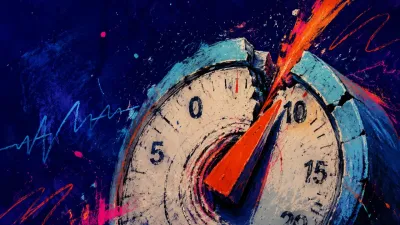
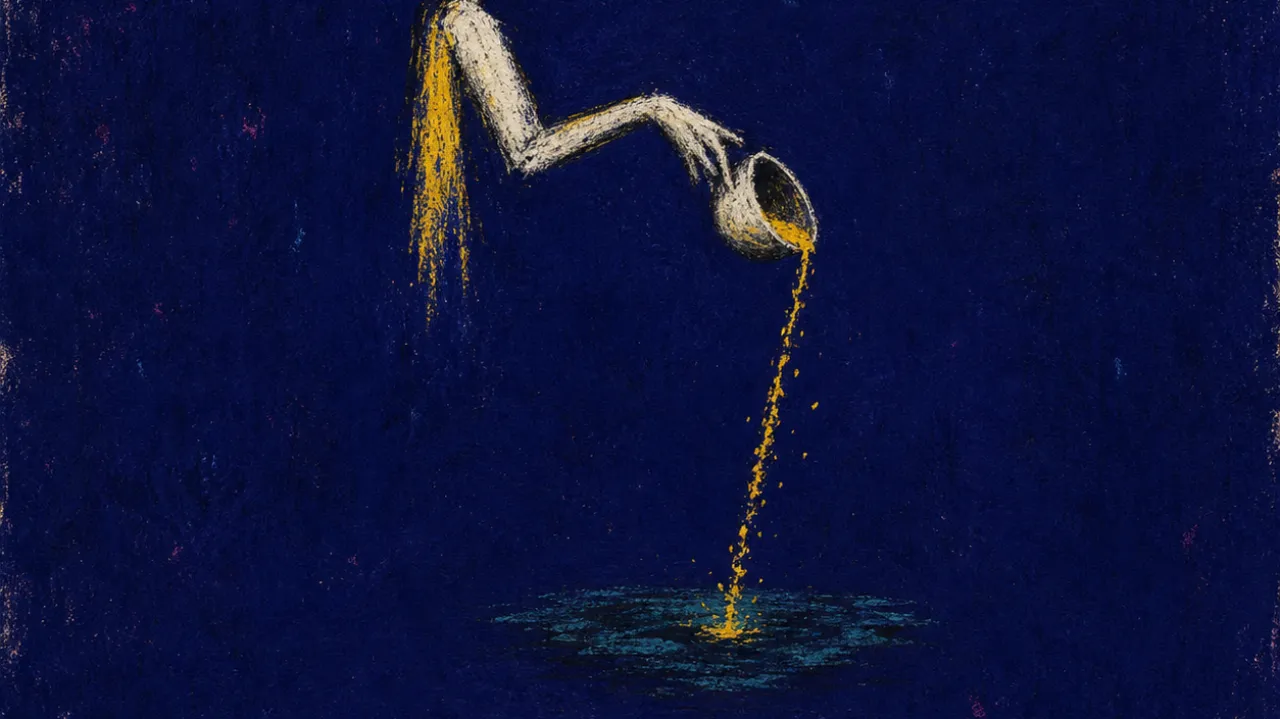
Pacing Control Strain — you notice it in the tiny pause before you say yes, the half-second where your whole body starts doing math before your mouth can answer. A new project, a new class, a promotion track, a social plan, even a habit you genuinely want can arrive looking simple from the outside, but inside you are already measuring the angle, the timing, the hidden recovery hours, the way one extra thing might knock against the rest of your life. Your jaw tightens while you tell yourself this should be manageable. Your shoulders rise while you open your calendar. You start speaking in careful phrases like “I can probably make that work,” because you are trying to sound flexible while quietly checking whether the system can absorb another demand without spilling. The strange part is that you may not look overwhelmed. You may look organized, capable, even calm. But the calm is labor: the constant hand on the dial, the private work of slowing what wants to accelerate and pushing what keeps dragging behind. You are not simply busy, and you are not simply waiting. You are living inside a tempo problem, where ambition, capacity, attention, money, rest, and visibility all need different speeds, and somehow you are expected to conduct them as one clean rhythm. The cost is that movement starts to feel less like freedom and more like a line that must not shake; every step forward comes with the quiet fear that too fast will spill what matters, too slow will lose the opening, much like the angel on Temperance, holding a thin stream between two cups while one foot tests stone and the other touches water.

What's pulling at you?

You are not stuck because you lack discipline; you are stuck because one part of you is trying to move at the speed of opportunity while another part is tracking how much your body, focus, and life can carry in the moment. The strain lives between acceleration and containment: push too hard and something spills, slow down too much and you worry the opening will close.

How It Shows Up?

  • You open your laptop with breakfast still half-finished beside you, and your first move is not to work but to scan the day for where it might overflow. Your coffee has gone lukewarm, your shoulders are already lifted, and your fingers hover over your calendar as if one extra task could tilt the whole cup. You can let the scan tell you something about your capacity without turning the whole morning into a test.
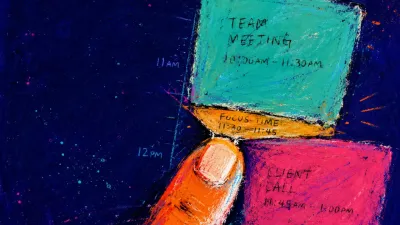
  • A friend asks if you can make plans this weekend, and you pause with the message open, calculating sleep, laundry, deadlines, money, travel time, and whether you will still have enough left to be present. Your chest gets tight before you even type, and your thumb keeps tapping the side of the phone, trying to find a reply that is warm without promising more than you can carry. It is allowed to check your pace before you answer.
  • At work or school, a new opportunity lands in your inbox and everyone else seems to hear momentum, while you hear all the hidden intervals it will demand. Your jaw locks, your breath gets shallow, and you feel the small strain of keeping the cup level while the horse is already moving. You can want the opening and still need a minute to measure what it will cost.
  • You are in a group conversation and the rhythm keeps changing: someone wants drinks after, someone wants a call tomorrow, someone is talking fast about plans you have not had time to place inside your week. You smile and nod, but your stomach pulls inward, your shoulders tighten, and you start rationing your attention like coins dropped at controlled intervals. You do not have to match the room's speed just because the room has one.
  • Late at night, you are lying in bed with your body tired and your mind still arranging tomorrow into lanes: wake-up time, commute, messages, workout, groceries, reply to that one person, recover enough to do it again. The back of your neck feels hard against the pillow, your breathing sits high in your chest, and the stillness feels less like rest than a narrow pause between moving parts. You can let the list exist without solving the entire system tonight.

Pacing Control Strain in Tarot Cards

Pacing Control Strain shows up where every step forward has to be measured against what your body, schedule, and attention can hold. You may feel it as a locked jaw, a shallow breath, or that small clench in your stomach before saying yes. From an existential perspective, the structural framework is the cost of trying to keep growth, rest, visibility, and control in one narrow channel. The Tarot Cards below make that narrow channel visible.

Temperance Upright
The suspended stream between the cups is narrow, steady, and dependent on exact timing. The angel's body has to hold two surfaces, two vessels, and one moving channel in a single regulated posture. Academic pacing works the same way when exams, essays, reading loads, and recovery all demand calibration at once. You are not failing because you cannot push harder; the card shows a system where pressure has to be metered or the whole transfer loses its shape.
The Star Upright
The Star's central light and surrounding stars form a visible field of orientation above a body that releases water in measured streams. Nothing in the card is hurried, but nothing is inert either; the action depends on rhythm, proportion, and the body's ability to translate guidance into pace. Pacing Control Strain lives in that translation. You may sense that movement is needed, yet the movement has to match the cycle rather than dominate it. Too much force would flood the field; too little would keep the vessel closed. The card's value is that it does not reduce timing to waiting or acting. It shows the exact middle pressure: you are trying to find the tempo where effort can flow with the least resistance, while accepting that the tempo is co-authored by the environment.
Two of Cups Upright
The exchange is built on tiny calibrations: cup height, distance, eye line, and the central staff all have to stay aligned. A small overreach would break the symmetry before the offering can become mutual. For timing questions, that precision becomes the strain of trying to manage the moment so carefully that movement itself starts to tense. The card shows pacing as a bodily load, not a productivity problem: the cost is carried in the effort to keep every signal level.
Knight of Cups Upright
One hand lifts the cup while the other manages the reins, splitting the rider's force between preservation and forward control. The horse is not stopped, but every step is moderated so the vessel stays upright and the approach remains graceful. In study, this image maps onto the strain of trying to move fast enough for deadlines while protecting the quality, care, and depth that make the work feel worth doing. You are carrying something that matters, but the same care that protects it also regulates the speed of your academic output. The riverbank makes the pacing issue concrete because the next step requires both timing and risk. The card does not frame slowness as failure; it shows the exact friction between careful intellectual handling and the pressure to cross into submission, performance, or assessment.
Two of Pentacles Upright
The young figure does not stand still with the pentacles; he steps, watches, and recalibrates while the sea rises behind him. The card's balance depends on tempo, because too much speed or too little attention would break the circulation. That moving rhythm is the core of Pacing Control Strain. You are not only trying to grow; you are trying to find the speed at which growth remains livable, embodied, and real. In personal growth work, this struggle appears when every new challenge feels like it needs both acceleration and restraint. The card makes the conflict visible: progress is possible, but only while your inner timing system keeps negotiating with instability.
Six of Pentacles Upright
The coins are caught mid-fall, while the receiving bodies remain still. The card holds the moment between need and arrival, making timing visible as a physical condition rather than a background detail. For lifestyle systems, this is the pressure of living by rationed intervals: the weekend when you can finally rest, the payday when you can repair something, the rare clear evening when your body might get attention. The scene is open, but access is narrow, so recovery depends on when the coins drop rather than when the need appears. This struggle forms when your daily rhythm is governed by controlled releases instead of responsive pacing. You are not simply waiting; your life modules are being trained to hold their need until the system permits relief.
Seven of Pentacles Upright
The harvest is visible, but the figure has paused instead of cutting everything down. The hoe touches the ground, the gaze stays fixed on the vine, and the body waits inside a timing problem rather than a simple action problem. With family boundaries, this structure names the strain of knowing that a confrontation, visit, apology, or distance may be necessary while the moment never feels clean. The card holds the pressure at the threshold where waiting protects the crop and also keeps you stuck beside it.
Eight of Pentacles Upright
The hammer and chisel only work when pressure, angle, and timing meet the coin’s resistance. The craftsman cannot rush the strike without damaging the surface, and he cannot complete the mark without committing force at the exact point of contact. That is the physical logic behind Pacing Control Strain. In timing questions, the struggle is not whether action matters; it is whether the action can be delivered at the right moment, with enough force to shape the material and enough restraint not to bruise it. The open town in the background keeps the larger path visible, but the usable space of the card is the bench, the tool, and the current coin. You are being shown a phase where movement depends on calibration, not speed, and where the real pressure is learning the difference between readiness and hesitation.
Knight of Pentacles Upright
The black horse stands still with its strength gathered under a rider who is already looking forward. The reins, armor, and careful hold on the pentacle create a body prepared for motion while still negotiating how much movement can be allowed. You meet this structure when inner pacing becomes more than patience. The card gives shape to the place where self-reflection, caution, and the need for emotional safety all tighten around the next step, leaving clarity present but movement heavily controlled.
Knight of Swords Upright
The horse is captured at full gallop, the knight's mouth is open, and the sword arm is already committed to impact. The scene is a snapshot of acceleration, but every decorative and armored detail still insists on control, precision, and purpose. That is the pressure point of Pacing Control Strain: the same system is trying to be fast and regulated at once. The body is not drifting randomly; it is over-organized around motion, trying to keep shape while the surrounding field keeps demanding speed. For lifestyle questions, this points to the strain of trying to run a clean, disciplined, high-functioning life inside a schedule that never gives the nervous system enough runway. You may be managing the visible pieces, but the deeper pacing structure is absorbing more pressure than it can metabolize.
Queen of Swords Upright
The Queen holds two forms of control at once: the blade stays raised and ready, while the open hand meters what can approach. Nothing in the body rushes; the scene is a held interval rather than a strike. You are carrying the exhausting work of deciding whether to pause, speak, cut, wait, or move. The card gives that strain a shape: pacing becomes a full-body task when every action feels powerful enough to change the timing of the whole sequence.
Eight of Wands Upright
The wands are not scattered; their pressure comes from how cleanly they share one pace. Their order creates power, but it also leaves no visible braking system between flight and impact. In study, that becomes the strain of trying to learn inside an imposed tempo. You can keep moving through readings, lectures, revision blocks, and submissions, but the system gives little room for absorption, recovery, or recalibration. The open sky makes the speed possible, while the approaching ground makes the cost visible. This card holds the exact academic tension between keeping up and retaining what the pace is forcing through you.
Reversed
The eight wands travel with impressive consistency, but the scene contains no operator, no pause point, and no visible mechanism for changing speed. In the reversed texture, the clean diagonal becomes a closed kinetic track rather than a chosen burst of movement. A lifestyle system under this pressure can feel as though the day is already in motion before You have had a chance to decide its pace. Notifications, errands, work blocks, wellness goals, and recovery needs descend together, and the lack of a brake becomes the central fact of the structure. Pacing Control Strain names the burden of trying to live inside momentum that has outgrown regulation. The card's reversed struggle is not laziness or failure; it is the body and calendar being asked to absorb speed without a working interval system.

Pacing Control Strain in Tarot Card Reading Insights

For people trying to keep ambition, recovery, deadlines, and visibility moving at one livable speed, this strain often enters a reading as a timing question. The readings below show how that pacing pressure appears when someone asks what to move, what to hold, and what not to spill. Tarot Reading Insights on Pacing Control Strain.
Psychological struggles related to Pacing Control Strain