When Everything Finally Fits

Explore the quiet ease of feeling more like yourself, the tarot cards that reflect it, and related reading insights.

Identity Integration Relief
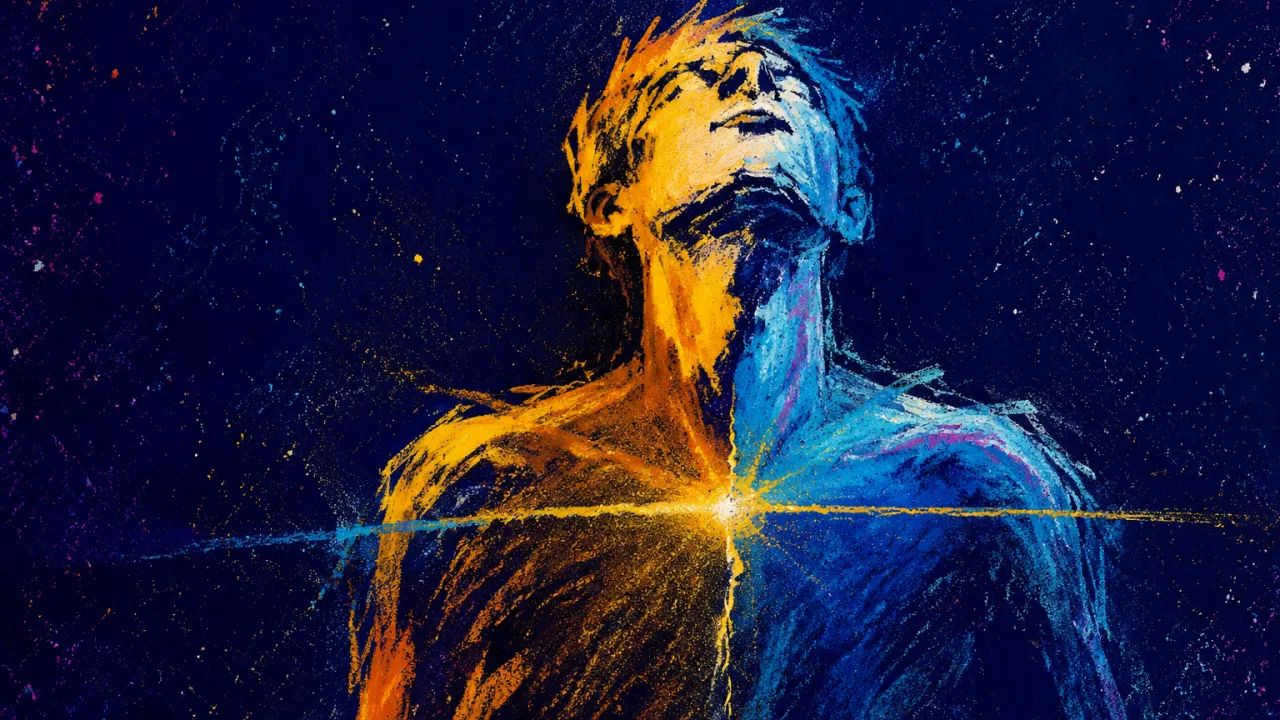
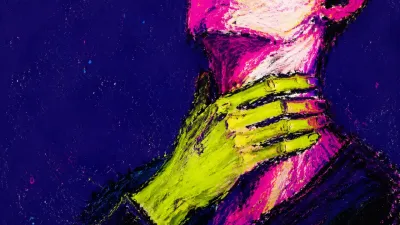
A solitary figure in deep indigo space, warm lines settling across the chest, gold and blue forming one clear outline.

What does this feel like?

Identity Integration Relief - you notice it first in the small release across your shoulders, the way your chest seems to open without needing to force anything. The thoughts, tastes, memories, hopes, and choices that once felt like separate rooms begin to sit in the same house, and you stop checking whether they belong together. Morning feels less like assembling yourself from scattered pieces and more like waking inside a shape you recognize. You may still have questions, but they do not crowd one another; they move with a little more space between them. There is warmth in your hands, steadiness in your torso, and a quiet exhale that reaches farther than usual. Even ordinary choices can feel lighter because they sound like you instead of requiring a performance. You catch your reflection and do not need to negotiate with it. The relief is not loud; it is the soft, almost startling sense that your inner edges have stopped pulling in different directions, much like the figure in Temperance, with one foot on land and one in water while pouring steadily between two cups.

Why you're feeling this?

Relief can be quiet and still completely valid to you. You do not have to make it dramatic for it to count; the sense of settling, warmth, and recognition is enough.

Identity Integration Relief in Tarot Cards

The warmth opening across your chest and the soft release in your shoulders are part of what Identity Integration Relief feels like. It belongs to a universal emotional experience: the quiet moment when feeling more whole becomes physically spacious. The Tarot Cards below mirror that shape without explaining it away.

The Magician
Upright
A raised wand and lowered hand frame a table bearing a cup, sword, wand, and pentacle, with an infinity sign above the figure's head. The four tools place emotion, thought, desire, and material choice in one visible workspace; you can recognize different capacities as parts of a coherent identity rather than as competing performances. The figure's posture links intention with embodiment, while the infinity symbol keeps the system open to development. Growth feels relieving when your choices can draw from the whole range of yourself instead of requiring one approved trait to speak for everyone.
The Lovers
Upright
Two figures face one another beneath an angel, surrounded by distinct trees and joined by the same mountain-backed landscape. The shared frame gives romantic intimacy a visible test of coherence; you can feel relief when closeness makes room for your full identity instead of rewarding a curated fragment. The angel above the pair holds the relationship in a wider field than attraction alone. Partnership becomes emotionally spacious when desire, honesty, and self-recognition can occupy the same scene without requiring you to perform belonging.
The Chariot
Upright
Two sphinxes, one dark and one light, pull a single chariot beneath a starry canopy while an armored figure stands centered between them. The opposing forces remain distinct, but they move one vehicle; you can recognize different drives as coordinated parts of one direction rather than proof that your identity is divided. The city behind the chariot and the open sky ahead create a bridge between present structure and future movement. Direction feels less like choosing which self gets to survive and more like carrying the whole system forward with steadier agency.
Strength
Upright
The woman and lion share one quiet frame beneath the infinity symbol, with flowers and soft movement replacing struggle. The image shows growth as a new relationship between power and tenderness; you can become more capable without building a harsher identity to contain that capability. The repeated loop above her suggests development that is lived through practice, not proven through performance. Your evolving self can hold courage, sensitivity, and desire together, allowing progress to feel embodied and familiar.
Justice
Upright
A seated figure holds an upright sword in one hand and balanced scales in the other, framed by pillars and a red curtain. The physical symmetry gives inner contradiction a visible audit; you can see where your values, choices, and self-description finally agree without turning the review into punishment. The sword stays clear while the scales remain responsive, so integration is not a frozen verdict. Relief comes from a more honest internal arrangement in which complexity can be weighed, named, and still belong to one self.
Temperance
Upright
An angel pours water between two cups while standing across the boundary between solid ground and a flowing pool. The repeated exchange turns separate capacities into a coordinated system; you can let memory, desire, judgment, and action belong to one evolving identity. The image gives cognitive growth a gentle rhythm instead of a corrective project. Your questions can remain present while the deeper structure becomes more coherent, so progress feels like inhabiting yourself rather than constantly redesigning yourself.
The Moon
Reversed
A moonlit path runs between two towers as a dog and wolf call from either side and a crayfish rises from the pool. With the reversed orientation, the same projections lose some of their authority over the self-story; you can begin to distinguish inherited fears, old images, and actual preferences without needing every uncertainty to vanish. The path remains strange and open, so the relief is not forced certainty. It is the quieter experience of inner material becoming nameable, allowing separate impressions to settle into a more recognizable identity.
The Sun
Upright
A child rides forward on a white horse beneath the sun, with a red banner and sunflowers rising behind the low wall. The open posture turns development into visible aliveness; you can grow into a larger identity without treating your earlier self as an obstacle. The scene is warm because progress is not being staged for approval. It connects cognitive expansion with embodied recognition, so new choices feel like natural extensions of who you are rather than evidence that you have finally become acceptable.
Judgement
Upright
Figures rise from coffins beneath one clear trumpet call, reaching toward an angel whose message crosses the entire scene. The image frames growth as a reorganization of the life story, where former identities can contribute meaning without controlling the next version of you. The rising bodies show development as renewed participation in your own life. You can carry complexity forward with less self-monitoring because the identity system is no longer treating its history as evidence against its future.
The World
Upright
A central figure moves within a laurel wreath, with four distinct creatures stationed at the corners and each part of the image held in relation to the whole. The visual system gathers different domains into one completed pattern; you can grow without treating earlier versions of yourself as errors to be deleted. The wreath gives evolution a stable container. Integration becomes a lived upgrade in which your values, memories, and choices support one another instead of competing for control of the identity system.
Six of Cups
Upright
One child offers a flower-filled cup to a smaller child in a quiet courtyard, with a stone building behind them. The exchanged cup gives memory a gentle meeting point; you can allow a younger self and a present self to recognize one another without turning the past into a separate room you must either live in or reject. The sheltered architecture keeps the scene warm and contained. Relief emerges through continuity, as old preferences, tenderness, and memories become part of a larger identity instead of remaining emotionally disconnected fragments.
Eight of Swords
Reversed
A blindfolded figure stands loosely bound among eight swords, with open ground and a distant castle beyond. In the reversed orientation, the bindings no longer organize the entire landscape; you can see that competing identity rules are constraints within the field rather than the definition of the whole self. The exposed route makes relief spatial and physical. Self-questioning may still exist, but it has less authority to split your preferences, memories, and choices into mutually exclusive versions of you.

Identity Integration Relief in Tarot Card Reading Insights

Others have brought Identity Integration Relief into readings too, carrying that quiet warmth of feeling more at home in your own shape. Here are the Tarot Reading Insights from those readings.
Psychological Emtions Related to Identity Integration Relief