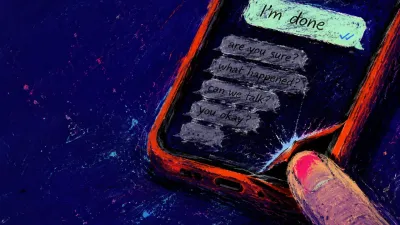
Still Carrying Yesterday?
Explore the drained after-feeling of Emotional Hangover, the tarot cards that mirror it, and reading insights shaped by it.

Emotional Hangover
What does this feel like?
Emotional Hangover — you wake up and your body feels like it stayed out later than you did, even if you were in bed by midnight, with your eyes dry, your jaw tight, and a strange cottony weight behind your forehead. Everything feels a little too bright and a little too loud: the phone screen, the kettle, a normal text that somehow asks for more energy than you have. You move through the morning slowly, not exactly sad, not exactly anxious, just tender in places you cannot point to, like your nervous system is wearing yesterday's clothes and they still smell like everything you felt. Small choices feel weirdly hard; a casual message can make your stomach drop; someone asking, "How are you?" can feel like too much of a question. Inside, your thoughts keep touching the same moments even when you do not want them to — what you said, what you almost said, how your face looked, whether you gave too much, whether you disappeared too fast. The feeling is not dramatic from the outside, but inside it is raw and low-lit, like the room after a party when the cups are still out and the music has stopped, much like the figure on the Four of Swords, lying still beneath the hanging swords, not in the fight anymore but not fully restored either.
Why you're feeling this?
Emotional Hangover makes sense when your inner world has carried more feeling than it could quietly set down. You are not being fragile for needing space after intensity. Some parts of you are simply still catching up to what already passed.
Emotional Hangover in Tarot Cards
That raw, cotton-heavy feeling behind your eyes is the shape Emotional Hangover can take when your system is still carrying yesterday's charge. The sore throat, tight jaw, and too-bright phone screen give this universal emotional experience a physical outline. Tarot Cards can mirror that outline without smoothing it over or turning it into a lesson. Here are the Tarot Cards that tend to show up for Emotional Hangover.
Emotional Hangover in Tarot Card Reading Insights
Emotional Hangover often shows up in readings as that after-feeling: drained, tender, and still replaying what your body has not fully released. Others have brought that same bruised, overlit feeling into the cards too. Tarot Reading Insights from sessions where this emotional residue was part of the room.

When 'Where Are You From?' Becomes a Night of Replay: One Answer, One
Topic:Social Tarot Reading
Struggle:Boundary Collapse
Context:Unspoken Social Rules
Going Out to Escape, Making Room to Face One Real Thing This Week
Topic:Lifestyle Tarot Reading
Struggle:Social Self-Judgment Lock
Context:Life Admin Backlog
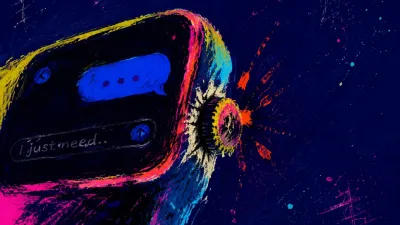
A Friend's Voice Note Beside Figma—And a Fifteen-Minute Limit
Topic:Friendship Tarot Reading
Struggle:Reciprocity Deficit
Context:Emotional Dumping Friendship
Three Messages After One Clear No—And the Ten-Second Pause That Held
Topic:Friendship Tarot Reading
Struggle:Boundary Collapse
Context:Friendship Boundary Creep

Caving When a New Partner Pushes You to Move Faster: Pause Before Yes
Topic:Love Tarot Reading
Struggle:Relational Pacing Collapse
Context:Premature Commitment Pressure

The Victoria Line Proof Hunt: Choosing Reciprocity Over Fitting In
Topic:Social Tarot Reading
Struggle:Belonging-Authenticity Split
Context:Post-Party Social Drain