Why Did My Boundary Start Drama?

A grounded look at boundary pushback, related tarot cards, and reading insights from people facing pressure after setting limits.

Boundary Backlash
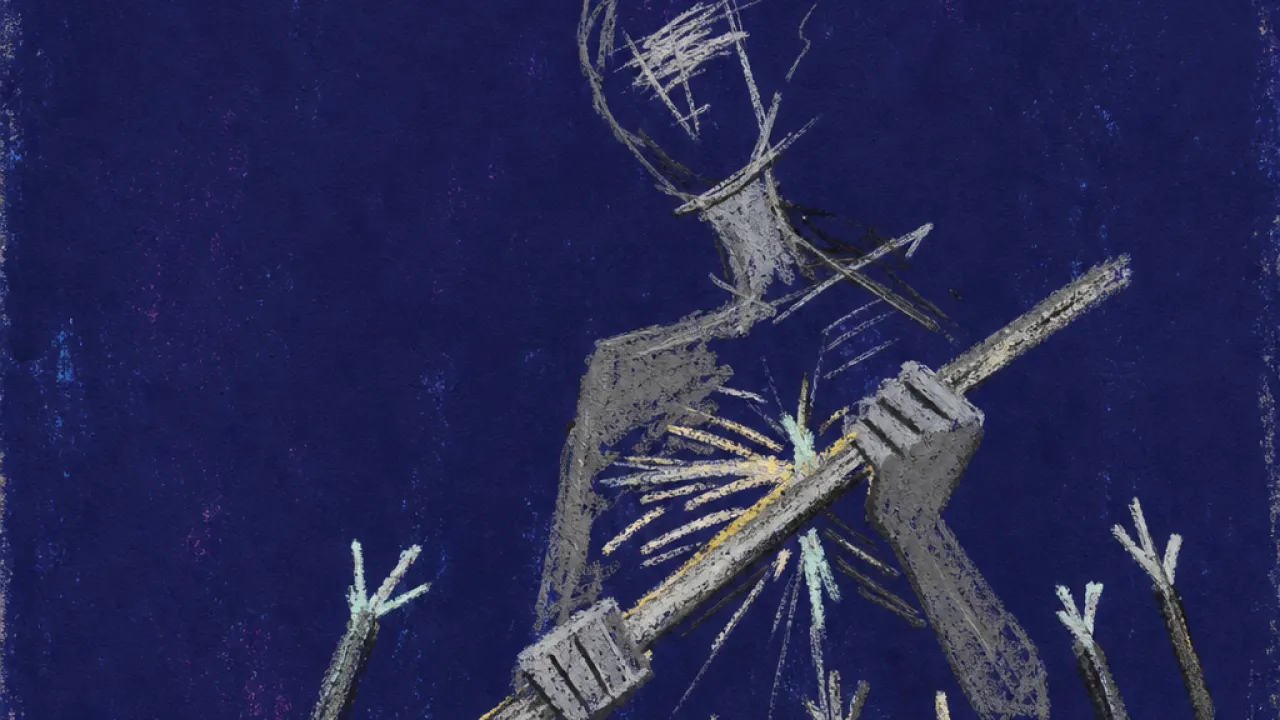
What is this situation?

Boundary Backlash — you name a limit, and the room changes. Maybe it starts with a text where you say you cannot be available tonight, a group chat you leave after months of being the default listener, a partner you tell you need more privacy, or a friend you stop rescuing every time plans fall apart. At first, the boundary is plain: fewer late-night calls, no explaining your schedule on demand, no letting other people turn your time into an open-door policy. Then the pushback arrives through familiar channels: “wow, okay,” delayed replies, screenshots passed around, jokes about you being intense, someone saying you have changed, someone else asking why you are making everything dramatic. The people who were used to easy access begin treating the new line as a personal insult, and the power dynamic becomes visible: your availability was never neutral; it was part of how the group stayed comfortable. You start spending the day preparing replies, rereading your own words, deciding whether to soften the limit, watching who goes quiet, tracking who still expects you to prove that you are not being cold. The cost is not just the boundary itself; it is the extra labor of defending a line that should have been allowed to stand once spoken. By the end, the conflict feels less like one argument and more like a crowd testing the same weak spot from different angles, much like the Seven of Wands, where one figure plants their feet on rough high ground and braces a single wand against six others rising from below.

Why it's not you?

The problem is not that having a limit makes you unreasonable; the problem is that the old setup relied on you staying endlessly available. Guilt, coldness, public framing, repeated questions, and pressure to explain are ways the surrounding system tries to reopen access. Boundary Backlash has a shape: it is the reaction that appears when other people lose a convenience they had started treating as a right.

Boundary Backlash in Tarot Cards

Boundary Backlash shows up when a limit that should have clarified access becomes the exact place other people press harder. The tight chest, raised shoulders, and constant urge to defend a simple no are signals of an environmental, structural dynamic around who gets access to your time, privacy, and attention. These Tarot Cards do not decide whether your boundary is right; they reflect the visible pressure pattern forming around it.

Three of Swords Upright
The heart has no ribcage, skin, or surrounding body to negotiate contact. It sits open in the field while separate blades enter from different directions, making access, exposure, and impact part of the same image. When you change boundaries during personal growth, the surrounding system may respond by pressing on the exact point that used to stay available. The card makes the backlash readable as a reaction to revised access rules, not as proof that the old role was healthier.
Nine of Swords Reversed
The lower swords crossing the throat and heart make speech and attachment the impact points of the image. The bed should be a protected zone, but the sharp horizontal lines enter that space anyway, showing how a limit set outside the room can follow you back into the private body. Boundary backlash appears when a social circle treats your limit as betrayal, disrespect, drama, or proof that you are the problem. You may have named a need plainly, but the group converts that speech into a case file: reactions, gossip, guilt, screenshots, or moral pressure. The carved conflict on the bedframe matters because the issue is not only inside your head. The card shows a relational scene embedded in the furniture itself, making clear that the pressure has a social architecture, not just a personal sensitivity.
Ten of Swords Upright
The fallen figure is stopped at the bank before the crossing, with the calm river still visible but no longer reachable from the body. The attempted transition is interrupted by ten downward blades, so the image holds both a possible exit and the cost imposed at the threshold. That structure fits boundary backlash in friendship: a shift in access, availability, or emotional labor triggers a response sharper than the boundary itself. You may be asking for a different rhythm, but the social system around the friendship treats the change as a threat to the old arrangement. The card frames the backlash as evidence of the structure you were trying to leave, not proof that the boundary was illegitimate. Its severity shows where entitlement, dependence, or group pressure had been hidden under the language of closeness.
Knight of Swords Reversed
The armor and blade make the rider protected and threatening at the same time. The body is shielded, but the movement is still a charge, so the boundary can be felt as a hard edge inside an already volatile field. You can locate Boundary Backlash when a friendship reacts to your limits as if those limits were an attack. The card shows how a simple line around time, privacy, or emotional labor can trigger guilt pressure, retaliation, or sudden hostility when the old relationship depended on unlimited access. The useful insight is structural: the backlash exposes the prior terms of access more clearly than the calm moments ever did.
Queen of Swords Reversed
The Queen’s extended hand can read as an invitation, but under reversed pressure it becomes a stop signal that others do not want to accept. The sword remains upright, making the boundary visible enough to provoke a reaction. In friendship, this is the moment after You name a limit and the social system pushes back through guilt, coldness, accusations, or group pressure. The backlash is not proof that the boundary was wrong; it reveals how much the old arrangement depended on the boundary staying invisible. Boundary Backlash belongs to the reversed Queen of Swords because the card shows clarity meeting resistance at the threshold. The image helps locate the conflict in the access pattern, not in a demand that You keep yourself endlessly available.
Seven of Wands Upright
On the ridge, the young man plants his feet across uneven ground while six lower wands press up toward the line he is holding. The image is not a private argument; it is a boundary made visible in public space, with multiple outside forces testing whether it will hold. In personal growth, a new routine, standard, or refusal often becomes disruptive to the people who benefited from the old version of you. This structure names the backlash that appears when your growth stops being an idea and becomes a line others can no longer cross casually. The card keeps agency in the frame because the wand is still in your hands. It does not make the pushback harmless, but it shows where the pressure is coming from and what part of the ground is actually yours to defend.
Reversed
The same elevated ground turns into an exposed ledge when six wands keep driving upward toward one body. The stance still holds, but the body has become a barricade absorbing repeated contact rather than a person moving freely through the scene. That is the shape of boundary backlash in a relationship. A limit is stated, and instead of creating cleaner terms, it triggers more pressure: repeated questions, tests, guilt-coded responses, counterarguments, or attempts to make the boundary look unreasonable. The reversed structure shows why this can feel so consuming without making the boundary itself the problem. You are seeing the difference between a partner negotiating a limit and a system trying to wear the limit down through repeated impact.
Nine of Wands Reversed
The gap beside the tallest wand is exactly where the figure stands guard. The image does not show a finished wall; it shows a vulnerable boundary that attracts pressure because it has just become visible. In inner work, that becomes boundary backlash when your new limit changes the access other people used to have to your time, attention, or emotional bandwidth. The card gives the backlash a shape: the boundary is real, but it is still fresh enough that the surrounding system keeps testing where it can get through.

Boundary Backlash in Tarot Card Reading Insights

Boundary Backlash is often brought into readings after a friend group, partner, or shared space reacts to a new limit as if it were an attack. The readings below shift from the cards themselves into how this pressure can appear when people sit with the situation. Tarot Reading Insights from related sessions.

Psychological contexts related to Boundary Backlash